

If you’ve been concerned about whether drinking wine is a healthy choice, you can lay your worries to rest. Numerous studies have established the health benefits of drinking wine in moderate amounts.
Wine is not only heart-healthy, but it also offers many diverse health benefits that you may not even be aware of.
An alcoholic drink made of grapes and fermented yeast, wine usually consists of water, alcohol, tannins, and acid that help give it a unique flavor and aroma. Although there are multiple varieties of wine, it is primarily categorized as red and white. Red wines usually have a rich taste and velvety finish, while white wines are known for crisp and refreshing palates. Some of the most well-known wines are the Cabernet Sauvignon, Chardonnay, Pinot Noir, Sauvignon Blanc, and Syrah.
Let us explore the different ways in which wines are beneficial for us.
1. Rich in Antioxidants
Antioxidants are compounds that help prevent damage to the cells resulting from inflammation and oxidative stress. Wines, particularly red wine, are rich in antioxidants such as polyphenols, which have been shown to reduce inflammation and the possibility of heart disease.
Moreover, red wine has also been proven to decrease the risk of Alzheimer’s and Parkinson’s disease owing to the high concentration of antioxidants. Thus, if you are confused as to which wine to have, don’t hesitate to pick a glass of red wine as it will definitely help boost the antioxidant levels in your blood.
2. Decreases the Risk of Cancer
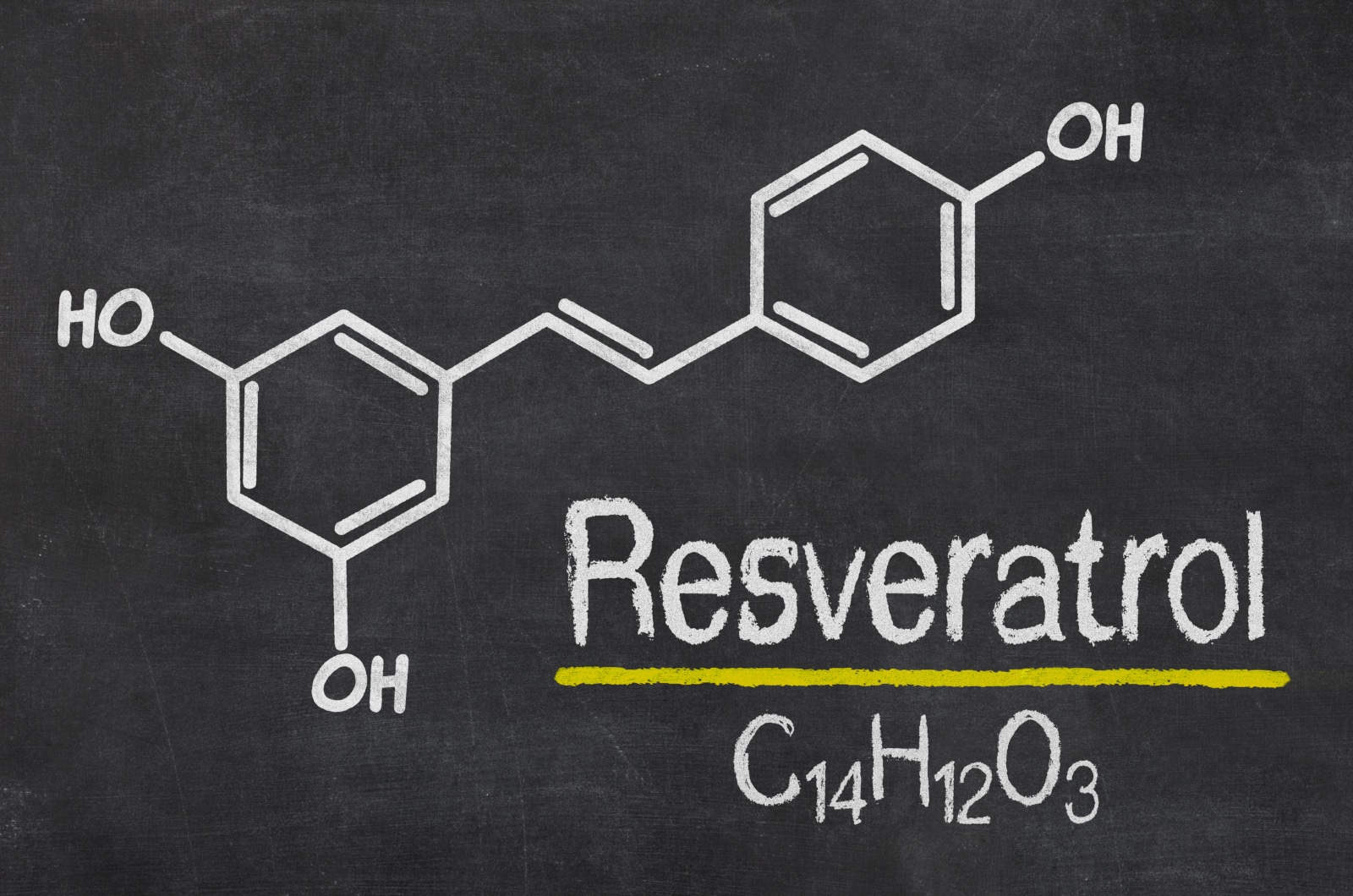
Other than reducing the risk of inflammation and oxidative stress, the presence of antioxidants in wine is also effective in decreasing the risk of cancer. The grapes used to produce red wine contain resveratrol, a polyphenol, or a plant-based compound that helps protect your cells from damage that can lead to cancer.
However, the presence of resveratrol in wines does not mean that wine drinkers cannot be inflicted with cancer. Resveratrol only helps in reducing the probability of developing cancer. So consuming wine in excess should always be avoided.

3. Good for the Heart
Many studies have shown that the presence of antioxidants in wine has been beneficial in decreasing the risk for high blood pressure, high cholesterol, and other heart-related problems. In addition, people suffering from hypertension have lowered their blood pressure levels thanks to red wine.
However, wine is not only important in preventing hypertension. Research has also proved that both red wine and white wine are beneficial in improving cardiovascular functions, improving glucose and lipid control, helping better functioning of the liver, and repairing endothelial cells that line blood vessels, in turn, providing protection to the heart.
4. Helps Reduce Inflammation
Chronic inflammation is a serious condition that can cause cardiovascular problems, autoimmune diseases, and even cancer. Many foods contain properties that help in reducing inflammation, and wine is one of them. The resveratrol content in wine, which is a chemical compound, has anti-inflammatory properties and several other health benefits.
A study conducted on 4461 adults showed that consumption of wine in moderate amounts led to a reduced inflammatory response. Those who consumed up to 1.4 ounces of red wine per day experienced less inflammation than those who didn’t consume alcohol at all.
5. Increases Life Expectancy
Studies that have been conducted over long periods of time have shown that drinking wine in small amounts can help promote longevity. A recent study also linked Mediterranean diets and wine consumption patterns with increased life expectancy. Those who consume Mediterranean food on a daily basis and drink red wine lived longer and healthier lives than those who abstained.
Another study found that middle-aged men in Italy who consumed up to five glasses of red wine per day lived longer than men who drank less alcohol or didn’t drink at all.
6. Better Lung Health
Although both red wine and white wine help improve the health of the lungs, white wine is known to be more effective. In a study conducted by the University of Buffalo, 1555 subjects were assessed on parameters such as lifetime alcohol consumption, body measurements, lung functions, and lifestyle habits.
The results showed that participants who drank wine on a regular basis had a higher concentration of antioxidants in their bodies compared to those who didn’t drink wine at all. Additionally, this association was higher in those who consumed white wine rather than red wine.
7. Better Renal Health
Although alcohol consumption is said to be bad for the kidneys, drinking red wine in moderate amounts can actually promote better renal health. Research conducted in the past has shown that consuming red wine in small amounts decreases the level of protein in the urine. This, in turn, helps reduce the risk of kidney-related diseases.
It is also said that the process of fermenting the red wine grape along with its skin, seeds, and stems helps keep the minerals and other important chemical compounds intact, which are beneficial in improving renal health.
8. Better Cognitive Ability
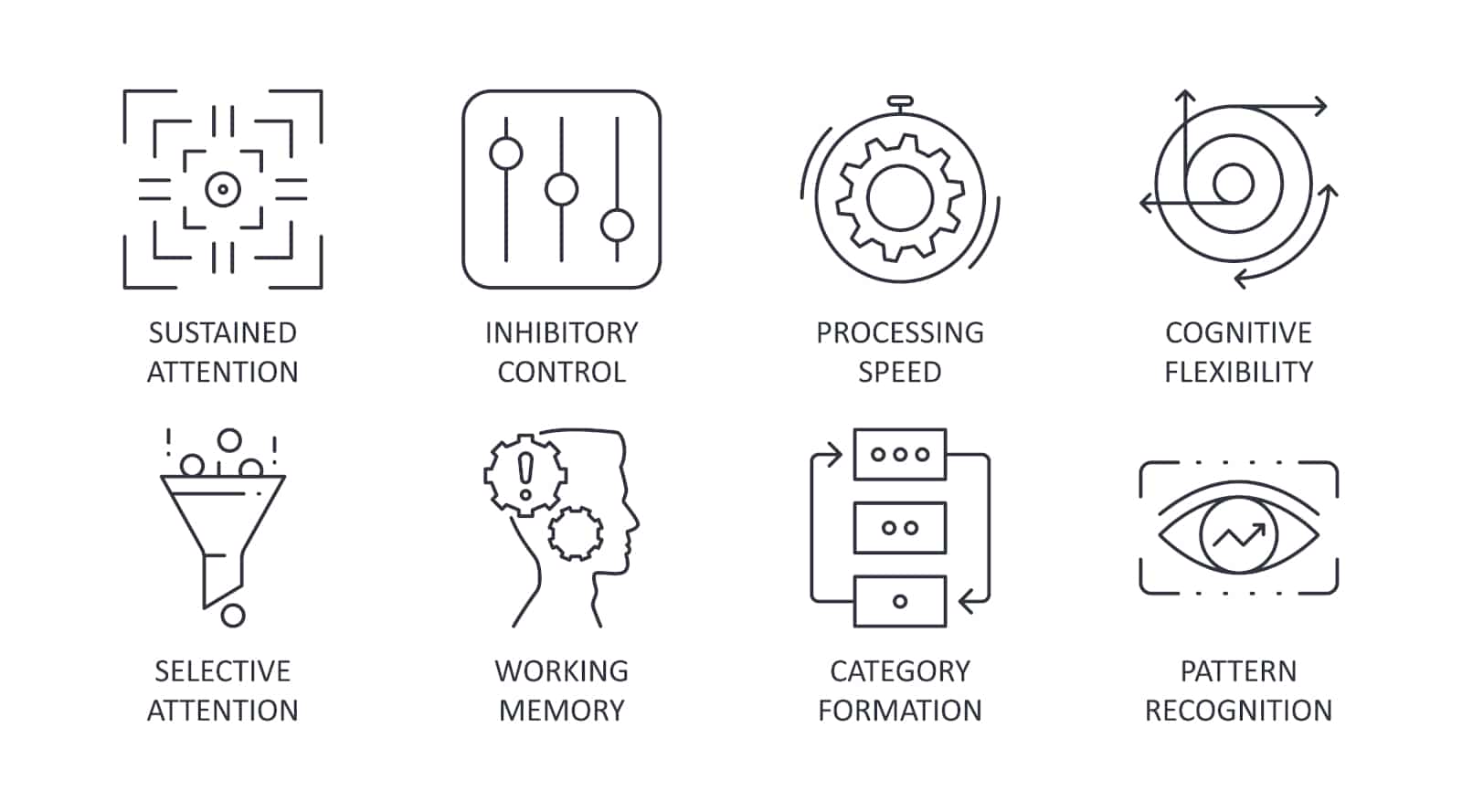
Some scholars have proven that the presence of antioxidants specific to white wine can offer protection against the decline in cognitive abilities. For example, in a study published by the Journal of Nutritional Biochemistry, researchers took extracts from samples of white wines and fed them to mice over a period of two months.
The experiment was conducted to understand the impact of a diet rich in white wine on the brain and determine how fast or slow neurological diseases such as Alzheimer’s progressed. The results showed that the mice who had been fed a white wine-enriched diet had a lower risk of developing problems such as Alzheimer’s.
Red wine, too, has been known to improve cognitive abilities and reduce the risk of problems such as Alzheimer’s and Parkinson’s disease, owing to the presence of antioxidants.
9. Maintains Your Physique
Usually, alcohol consumption is associated with weight gain. However, drinking wine in moderate amounts can actually help you keep your weight in check. The presence of resveratrol in red wine combined with the chemical compound piceatannol helps to reduce the fat cells in the body.
The compound piceatannol speeds up the insulin receptors of the fat cells, thus blocking the path required for immature fat cells to grow. Moreover, resveratrol, which is found in greater concentrations in red wine, has been proved to increase stamina and muscle strength.
10. Improves Mental Health
Wine is not only beneficial in improving cognitive abilities and reducing the risk for neurological diseases but can also improve one’s mental health. Several experiments conducted in the past have shown that drinking a glass of wine in an unpleasant or hostile environment had the same levels of improvement in mood as those who did not drink wine while being in pleasant friendly surroundings. In addition, wine is also beneficial for middle-aged people, as it helps to keep depression away.
Consuming red wine has also been known to be a stress buster. The presence of resveratrol helps to stimulate a protein in the body that activates the genes that can rejuvenate the DNA, thus boosting energy levels and helping to de-stress.
Benefits of Wine for Women
Although both men and women stand to benefit from consuming wine, there are certain areas where wine has been proven to be more beneficial for women.
Women are generally at a higher risk for health problems such as diabetes, cholesterol, stress, hypertension, and weight gain.
However, it has been observed that women who consume red wine in moderate quantities are at a lower risk of developing such problems compared to women who don’t drink wine at all.
Resveratrol and Polyphenols
The resveratrol and polyphenols present in red wine are important for women as they help reduce the risk of heart diseases, decrease the levels of bad cholesterol in the body, prevent the formation of plaque and artery damage, and also burn fat cells.
Women are also at a higher risk of developing brittle bones and cataracts as they age. The presence of resveratrol in red wine helps improve the spinal bone density in females, prevents the overgrowth of blood vessels in the eyes and macular degeneration. It also induces sleep, thereby helping decrease the chances of suffering from stress.
Last but not the least, studies have also shown that red wine is good for the skin and hair. Resveratrol and polyphenols help in preventing oxidation stress, which helps to rejuvenate the skin cells, leading to healthy and glowing skin. Moreover, red wine also helps to reduce the growth of bacteria that is responsible for acne and breakouts on the skin. In fact, some skin experts have even recommended mixing a glass of red wine with other ingredients of choice to create a face pack.
You can also apply a few drops of red wine to your tresses to get thick and voluminous hair. Red wine helps to improve blood circulation and prevents the formation of dead cells, giving you the lustrous locks that you always wanted.
How Much Wine Should I Drink a Day?
While there are several health benefits of wines, anything in excess can be hazardous to health. If you want to see the benefits of wine on your mind and body, it is best that you consume it in moderation.
There is no denying that wine has many health benefits, such as reducing the risk for cardiovascular diseases, bad cholesterol levels, type 2 diabetes, kidney failure, and various neurological diseases. Wine is also known to be helpful in preventing depression and improving the quality of hair and skin. Nevertheless, there are several negative effects of consuming large amounts of wine.
Negative Effects
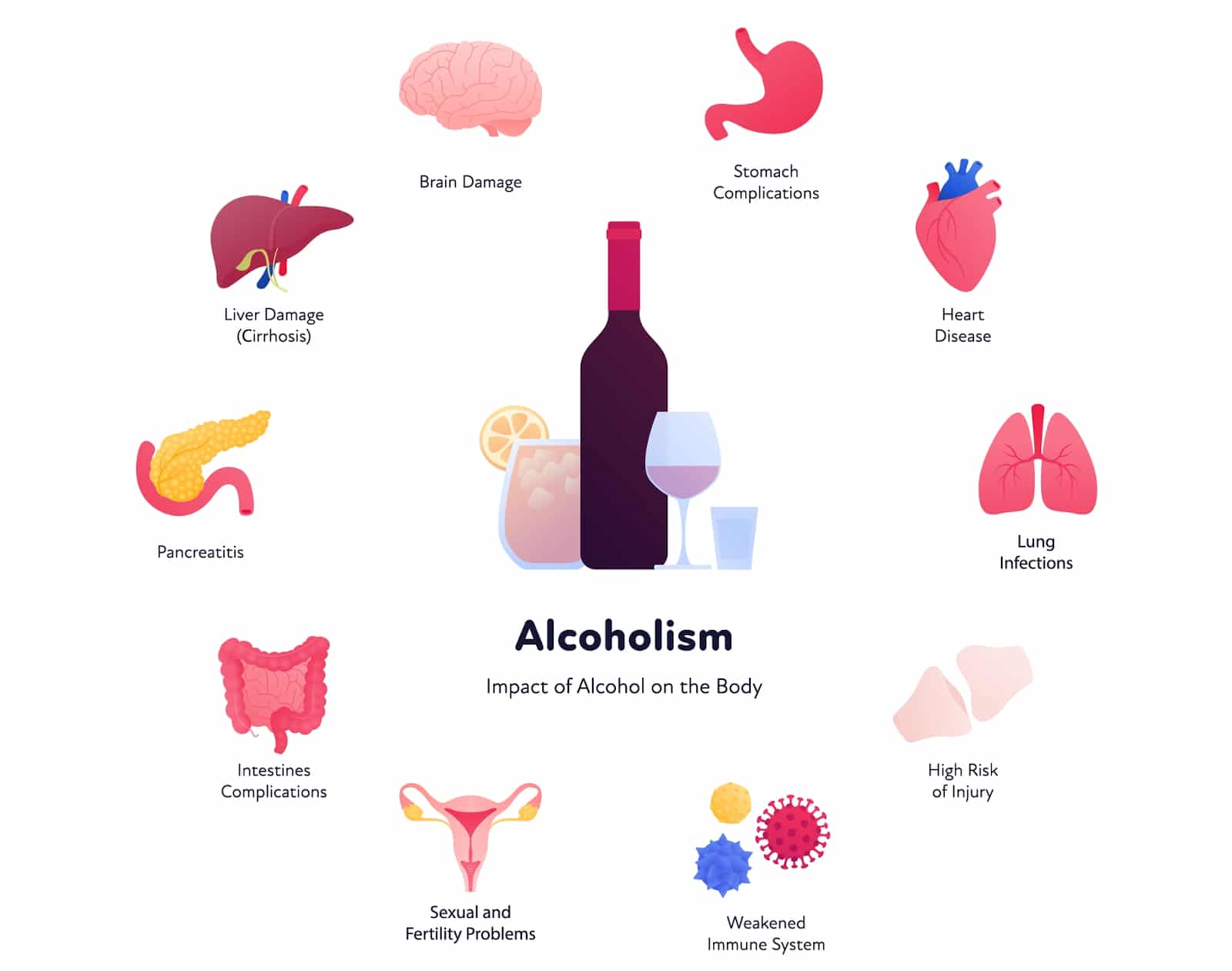
Diseases such as liver cirrhosis, weight gain, and kidney failure can wreak havoc on the body. If the amount of wine consumption is not controlled, it can even be fatal.
So how much wine should be ideally consumed? According to USDA’s Dietary Guidelines for Americans, one drink per day for women and two drinks for men is considered to be appropriate. At most, women could have 2 drinks per day while men could consume 4 drinks daily. A drink consists of five ounces of fluid and 12 percent alcohol by volume.
However, this does not imply that those who drink 1-2 glasses of wine daily will be the only ones reaping all the benefits. Even if people drank half a glass, they could still benefit from consuming wine as it can help increase their life expectancy rate. Experts suggest that there should be a gap of one or two days between drinking, so as to limit one’s level of alcohol consumption. One can also add red wine as an ingredient in their food or prepare a red wine sauce to go with the meals.
Is Wine Good for Health?
Studies have shown that consuming moderate amounts of wine, along with a balanced diet, can do wonders for your health. Both red and white wines are rich in antioxidants that are proven to reduce the risk for heart-related problems, kidney failure, inflammation, neurological disorders, and weight gain. Wine is also known to improve the quality of hair and skin.
Is It OK to Drink Red Wine Every Day?
Red wine is the most beneficial of all other types of wines. It has a higher concentration of antioxidants and is proven to prevent and reduce the risk of various diseases as well as improve the quality of one’s mental health, hair, and skin.
However, the American Heart Society has stated that excessive consumption of red wine can be detrimental to health. As with any other alcoholic drink, consumption of wine in large amounts can cause excess weight gain, liver damage, kidney problems, and heart diseases. Hence, one should limit their red wine consumption to 1-2 glasses per day, with a gap of a few days between drinks.
Is It OK to Drink White Wine Every Day?
Just like red wine, white wine too has multiple health benefits. White wine is known to improve one’s lungs, kidneys, digestive tract, and heart. However, white wine should also be consumed in moderate amounts before any health problems surface.
Ideally, women should drink up to 2 glasses while men can consume 4 glasses of white wine per day. For best results, it is recommended that there should be a gap of one or two days between the drinks.
Which Is Healthier, Red Wine or White Wine?
Although both red wine and white wine are known to have various health benefits, it is healthier to drink red wine. Red wine is a richer source of antioxidants, which is known to reduce the risk of inflammation, clotting in arteries, kidney failure, and neurological disorders. In addition, studies have shown that red wine helps in preventing depression, insomnia, and improves the quality of hair and skin as it prevents acne and breakouts.

Are 2 Glasses of Red Wine Healthy?
Yes, consuming two glasses of red wine per day is considered healthy. Two glasses of red wine is believed to be a moderate quantity, and thus, one can reap the health benefits of this wine. To ensure that you are not over-indulging in wine, make sure you have a gap of 1-2 days between the drinks.
Is Wine Bad for Your Liver?
If consumed in moderate amounts, wine can be beneficial for your liver. However, since excessive alcohol consumption can cause problems such as liver cirrhosis and damage, drinking excess amounts of wine can become bad for your liver.
What Is the Healthiest Wine to Drink?
Although both red and white wine is beneficial for health, red wine is better owing to its multiple health benefits. Being rich in antioxidants and polyphenols, red wine is proven to reduce the risk of cardiovascular diseases, renal or artery failure, improve life expectancy, prevent neurological disorders, and increase cognitive ability, while also improving one’s hair and skin.
Does Wine Cause Belly Fat?
Wine has been known to aid in weight loss as it can suppress one’s appetite and burn the fat cells in our body. However, it does not imply that one should substitute their meals for a glass of wine since drinking wine in large amounts will only cause unwanted weight gain.
Is Wine Bad for Your Kidneys?
Alcohol is perceived to be bad for the kidneys. Wine, however, helps in preventing and reducing the risk of renal problems. Make sure that you don’t consume too much of it, as kidney problems will then become inevitable.
What Type of Wine Has the Most Antioxidants?
While both red wine and white wine are full of antioxidants, red wine has a greater concentration of antioxidants, thus making it more beneficial for health.
Final Thoughts
Wine, irrespective of its type, has been known to offer a range of health benefits. It is not only known to be useful in reducing the risk of heart-related problems, kidney diseases, clotting in the arteries, and neurological illnesses, but it also keeps the weight in check, improves mental well-being, and promotes healthy and glowing skin. Nevertheless, just like other alcoholic drinks, wine also should be consumed moderately, to avoid any health issues. With the plethora of health benefits of wine now evident, go ahead and grab that glass of wine. But remember, moderation is key.