Beyond fermented grape juice in a glass, the influence of wine across the world is undeniable. Learning about how wine was, and still is, produced in different parts of the world, across different cultures, can even enrich your wine drinking experience.
The production of wine has been shaped significantly by history and innovation. Understanding how it all started, thinking of that very first bottled wine, as you sip on your Chardonnay, can give you a more profound appreciation of the wine.
Where did it all begin? What inspired people to ferment grapes?
Let’s take a stroll through time to learn how, over a thousand years of wine-making, evolution has given us the wine we know and love today.
Wine — An Introduction
Wine is an alcoholic drink that is made from different varieties of grapes. Although any fruit, such as an apple, strawberry, or cranberry can be used to make wine, if your bottle just says “wine,” it implies that the beverage has been made from grapes.
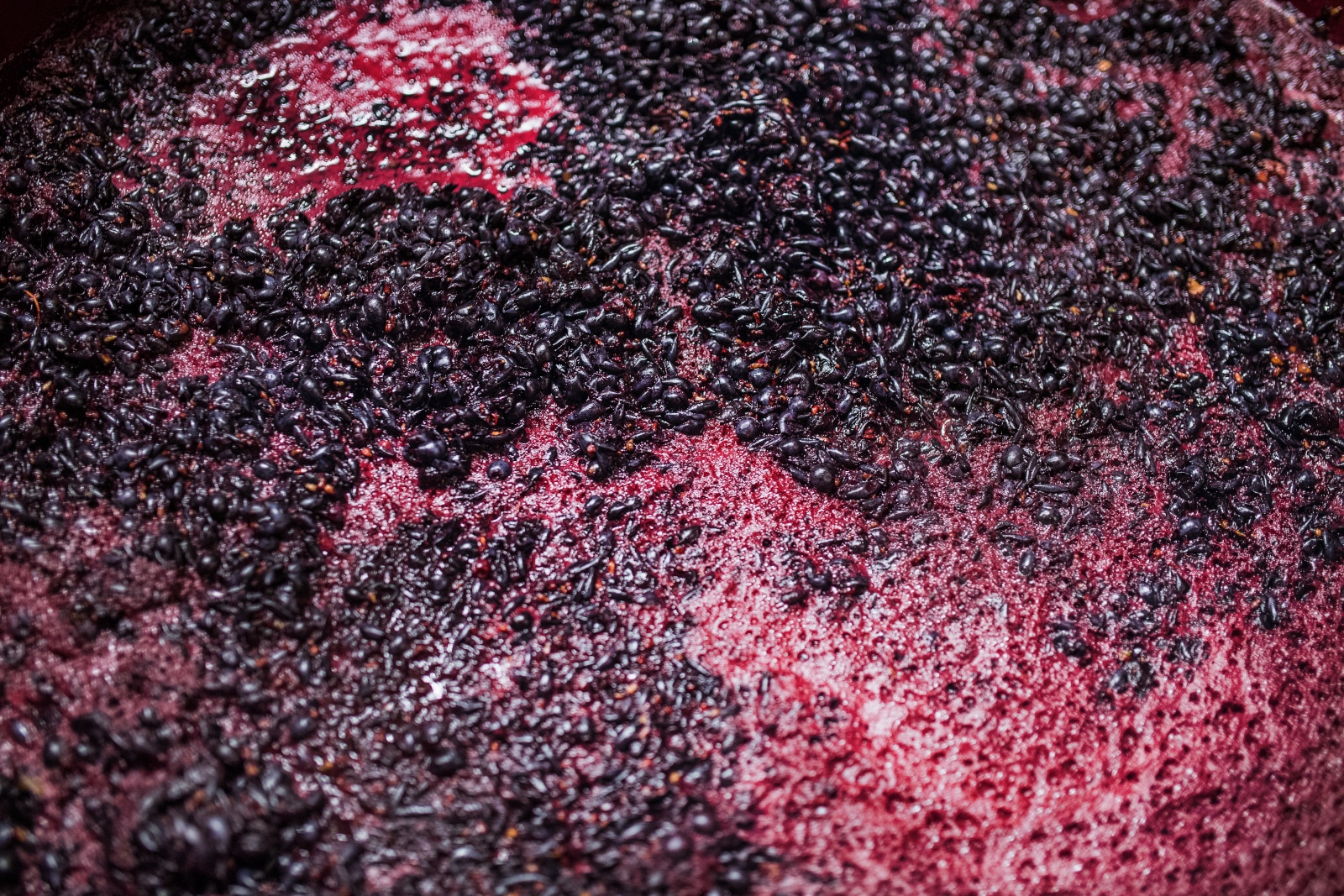
To make wine, grapes are fermented. These grapes are different from the grapes that we consume normally. Wine grapes are known to be sweeter, contain lots of seeds, and are smaller in size than table grapes. Most wine grapes, though now grown in several countries, originated from the vine that has its literal ‘roots’ in the Caucasus region known as Vitis Vinifera.
The harvest season for wine grapes in Europe and the US is from August through September, while in the Southern Hemisphere, the wine grapes are harvested from February through April. Typically, wine grapes take a year to ripen, which is why wines are only produced once a year.
Two Types
Wine can be broadly categorized into two types — a single-varietal wine and a wine blend. A single-varietal wine is primarily made from a single grape variety, while a wine blend is a wine that has been produced using more than one variety of grape. For example, Pinot Noir wine is a single-varietal wine as it is produced using a single grape variety, the Pinot Noir. On the other hand, Chardonnay-Viognier is a wine blend since it is made by blending the Chardonnay and Viognier grapes together.
Today, many of the wines produced are blended. Blending takes place after the fermentation and aging processes are completed. When the wine grapes are blended and fermented together, the process is known as a field blend.
Wines are typically classified into four categories: red wine, white wine, rosé wine, and sparkling wine. We will take a look at each of these categories later. But first, let us take a quick trip through the history of wines.
History of Wine: A Brief Timeline
Although archaeological evidence regarding the origins of wine has been hard to come by, scholars have widely believed that the presence of domesticated stock and grape processing can give some idea as to how wine was invented.
There is an interesting Persian folktale that describes how wine came into existence. When a lady of the court lost the favor of the King, she attempted to poison herself by consuming the juice of some spoiled table grapes. Soon, she started to feel intoxicated and drowsy and fell into a deep sleep. When the lady awoke, instead of feeling sick, she realized that the grapes made her feel relaxed and happy. When she informed the King about this, he was so delighted by her new “potion” that he ordered his kingdom to increase the production of spoiled grapes, which later began to be consumed as wine.
While it is not known to what extent this fable is true, it sure is a fascinating anecdote about Persian wine.
Although regions of Italy, France, and Spain have laid claim to being the largest wine-making areas of the world today, they’re not where wine originated. Studies have shown that China was among the first civilizations in the world to produce wine, followed by Armenia and Georgia. In fact, between 2007 and 2010, researchers discovered the world’s oldest winery in a cave in Armenia!
History of Wine in China
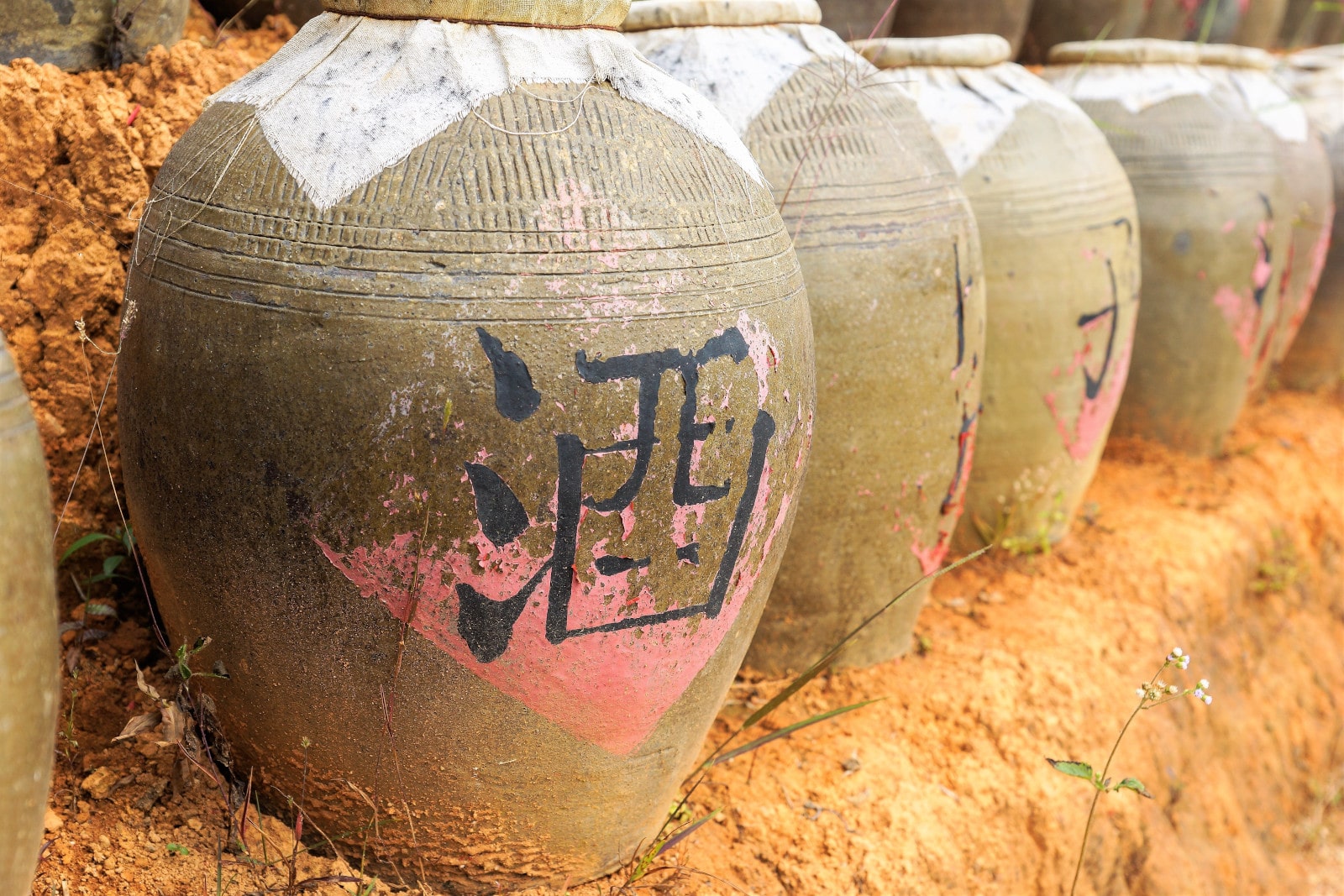
It is believed that the actual story of producing wine from grapes originated in China. Evidence of residue on pottery shards of radiocarbon that can be traced back to 7000–6000 BCE in the Neolithic site of Jiahu has shown that a fermented drink that closely resembled wine was produced using fruit, honey, and rice. The presence of fruit was confirmed by the remnants of tartrate and tartaric acid at the bottom of the jar at the site.
Archaeologists, however, have not been able to figure out which variety of grape was used back then: hawthorn, longyan, or cornelian cherry, or were these grapes combined? Nevertheless, the grapes that were used in China to produce wine were not imported from Europe but cultivated in China itself. The European variant of the wine grape was introduced in China only in the second century, along with other imports from the Silk Road route. Today, the country has 40–50 varieties of wild grapes that are used in the production of wine.
History of Wine in Western Asia
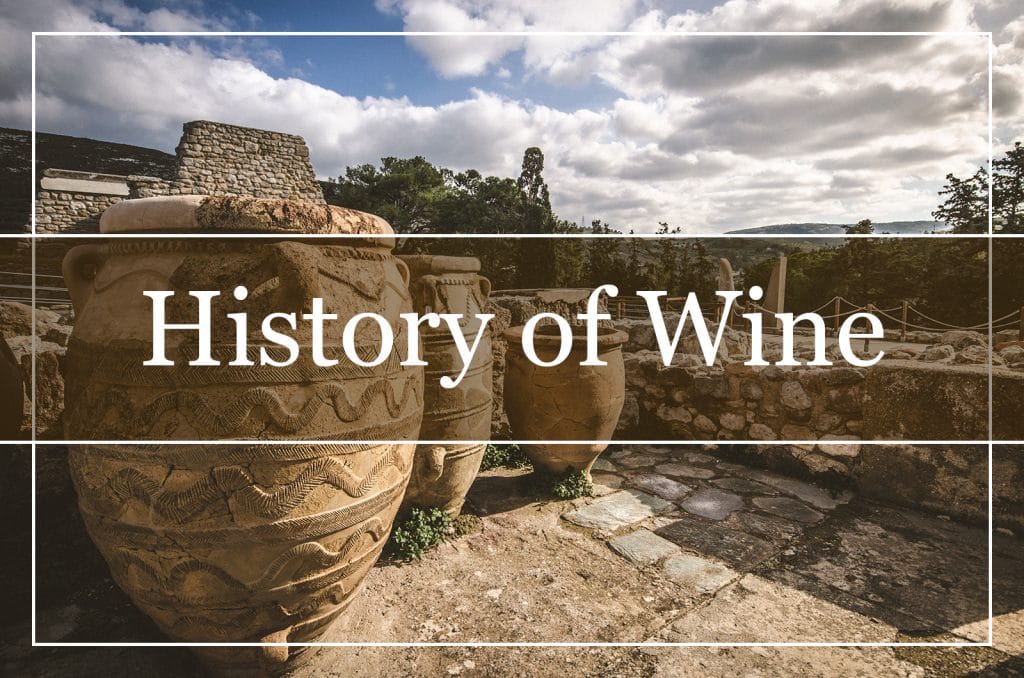
In West Asia, the earliest evidence of wine-making dates back to the Neolithic era in Hajji Firuz in Iran. The evidence can be traced back to 5400–5000 BCE based on a sediment deposit found at the bottom of an amphora. The deposit included a mixture of tannin and tartrate crystals. Archaeologists later found five more jars each with a capacity of nine liters, consisting of the same mixture as that found in the amphora.
Beyond Hajji Firuz, Iran also has archaeological evidence of wine production at several other sites, including Lake Zeriber where grape pollen was found in the soil, and Kurban Hoyuk in southeastern Turkey that has evidence of burnt fragments of fruit skin dating back to the early fifth millennia BCE. There is also evidence of wine being imported to Egypt around 3150 BCE when a tomb of the Scorpion King was discovered to have 700 jars of wine. These jars were believed to have been filled and transported from the Levant region to Egypt.
History of Wine in Europe
The practice of wine-making and consumption in Europe emerged much later than in Asia. Evidence of wild grapes or the Vitis Vinifera has been found in the Franchthi Cave in Greece dating back 12,000 years ago and in the Balma de ‘Abeurador, France dating approximately 10,000 years ago. Excavations at the Greek site called Dikli Tash also showed evidence of grape pips, empty fruit skins, grape pressings, and clay cups containing grape juice dating back approximately 4400–4000 BCE.
By the time the Roman Empire came into existence, the practice of viticulture had spread to the Mediterranean region and Western Europe, and slowly, wine became a valuable economic and cultural commodity.
Wine-Making in the 20th Century
Ancient wines, until the 20th century, were produced using naturally occurring yeasts. But this fermentation process was often prone to spoilage and remained inconsistent. To reduce the chances of the wine getting spoiled, pure starter strains of the Mediterranean Saccharomyces cerevisiae were introduced in the 1950s and 1960s. Now known as brewer’s yeast, these starter strains have since been used to produce wine commercially. This has not only helped reduce the probability of the wine going sour but also promoted consistent wine quality.
Another major development of the 20th century was the introduction of screw caps and synthetic corks that replaced the traditional corks that were used since the inception of wine.
Wine-Making in the 21st Century
In the 21st century, a pivotal advancement was made in the wine-making process. In the 1990s, the micro-oxygenation technique, also known as “mox,” was developed in France. This process helped decrease the risks associated with aging red wine.
During micro-oxygenation, red wines are packed and sealed in bottles with corks. These corks consist of tiny pores that allow oxygen to permeate the wine as and when it ages. This is an important process since it helps to soften the tannins, which are a naturally occurring substance present in wines and have a bitter taste.
When the taste of the tannins mellow, the flavor of the wine becomes more prominent, thus enhancing its flavor. Such wines also tend to have less harsh, acidic, and unpleasant notes. This process also allows greater control over wine production.
Classification of Wines
Red Wine
Red wines are produced using black grapes. Their color ranges from light to dark, and the darker the wine, the more bitter it will be. However, there are some red wines that have a dry or very sweet taste as well. Some of the most well-known red wines include Cabernet Sauvignon, Pinot Noir, Merlot, Syrah, Zinfandel, Gamay Beaujolais, and Sangiovese. Of these, Cabernet Sauvignon is considered to be “the King of red wine grapes.” Originally produced in Bordeaux, France, the wine is now produced in various regions around the world.
White Wine
White wine is made using green grapes, although black grapes are also used sometimes. It is fermented using the non-colored portion of grapes, and without skin contact. White wine can come in various shades such as straw yellow, yellow-green, or yellow-gold. White wine is sold in several flavors ranging from light to zesty and rich. Some of the most well-known white wines in the world are the Chardonnay, Riesling, Pinot Blanc, Muscat, and Sauvignon Blanc.
Rosé Wine
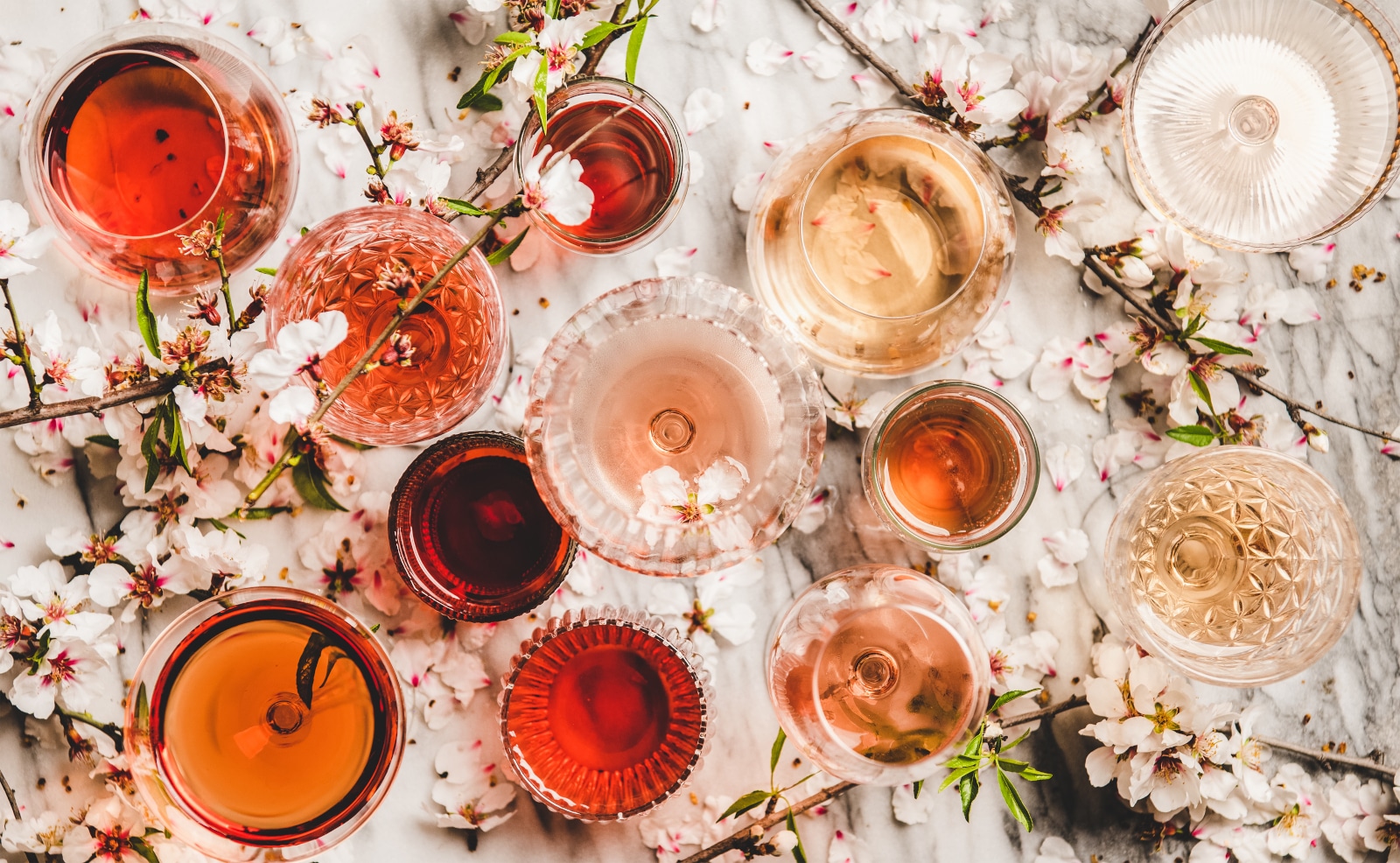
Rosé wine is similar to red wine, in the sense that it is produced using black grapes, although the skin is removed before fermentation. Hence, its color is not as dark as that of red wine. Sometimes, rosé wine is also produced by blending red and white wine together. While rosé wines can either be sweet or dry they mostly tend to be on the drier side. Some popular varieties of rosé wine are Grenache, Pinot Noir, Gamay, and Cabernet Franc.
Sparkling Wine
Sparkling wine is a bubbly wine that is characterized by its fizziness. The wine has significant levels of carbon dioxide in it and needs a second round of fermentation to create the bubbles. Sparkling wine is considered a formal wine since it is mostly served during events and gatherings. Some people even believe that sparkling wine and champagne are the same, although not all sparkling wine is champagne. A few of the most well-known sparkling wines around the world are Prosecco and Cava.
Besides these four categories, there are also fortified wine, vintage wine, and varietal wine. While fortified wine is a type of wine that blends wine grapes with spirits, vintage wine is a wine in which the wine grapes are cultivated in a particular region in a single year. On the other hand, a varietal wine is one that is fermented using a single dominant grape, though the wine can be blended with other wine grapes as well.
How to Evaluate Wines: A Guide
You can evaluate a wine’s quality and texture through three distinct ways: sight, smell, and taste. Here is a guide on how to evaluate wine using these methods.
Sight
When you need to test a wine just by sight, follow these steps:
- Pour some wine into a glass.
- Tilt the wine glass a few inches away from your face and observe the color of the wine from the rim of the glass to its middle.
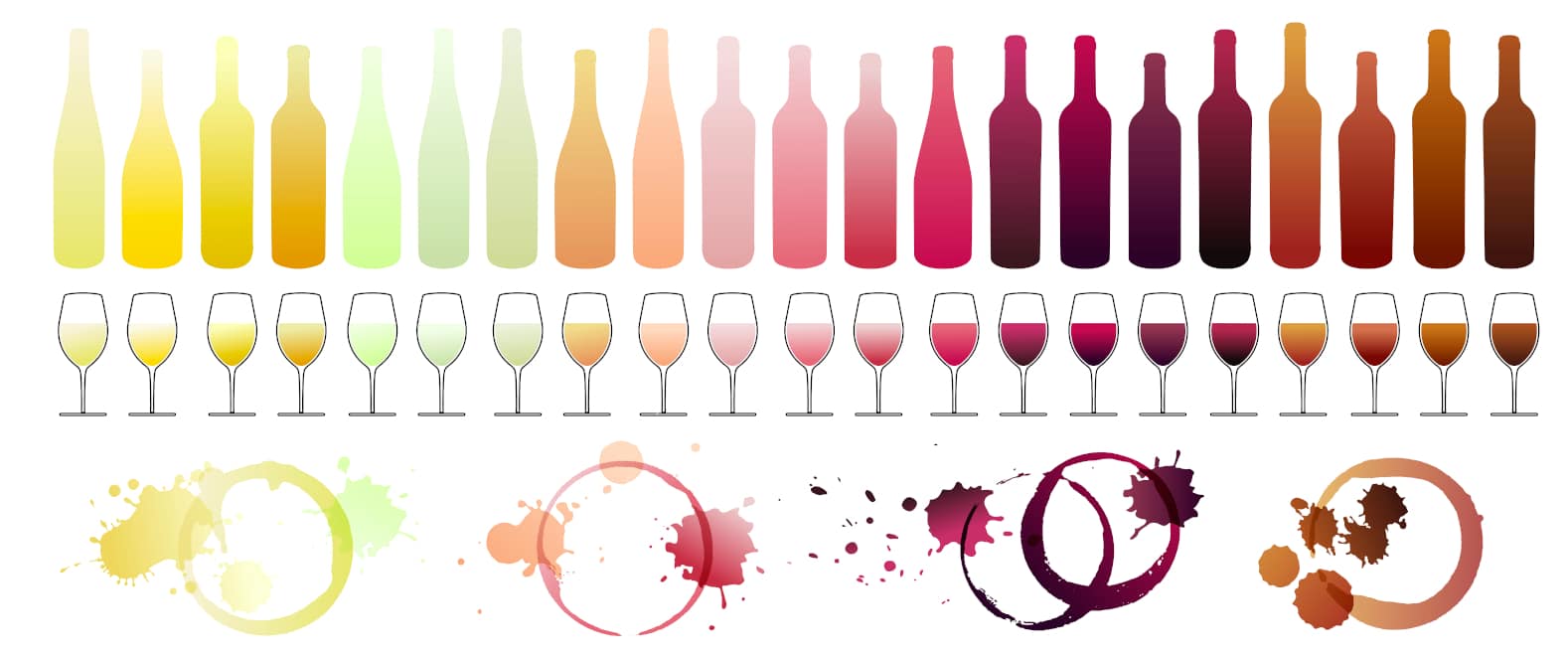
- While it is easy to identify the color of the wine, you need to be more specific. For instance, if you are holding a glass of red wine, see if you can detect shades of purple, brown, garnet, ruby, or deep red. Red wines usually tend to become brown as they age.
- Similarly, if you are holding a glass of white wine, examine its color further to see if it is pale yellow, golden yellow, straw yellow, light green, brownish, amber, golden, or transparent. White wines gain a darker shade of color as they age.
- Check the opacity of your wine by seeing if it is completely transparent, translucent, cloudy, or opaque.
Smell
Here’s what you do to evaluate a wine through smell:
- Pour some wine into a glass and swirl it for about ten seconds. This will help the natural aroma of the wine to rise, making it easier for you to smell.
- Bring the glass close to your nose and take a sniff. Try to identify whether the wine has a citrus, floral, or oak-like scent. Some of the finest wines have more earthy and nuanced smells.
- Swirl the wine again and sniff it again. You’ll discover layers of aromas.
Taste
Broadly, there are six fundamental aspects to assess any wine by taste: acid, salty, fat, sweetness, bitterness, and texture.
To evaluate a wine with your taste buds, there are three basic steps you need to follow.
- Taste the wine to identify whether your wine is creamy or crisp, light or heavy, and dry or sweet.
- Sip the wine to identify its flavor. The flavor can be fruity, chocolaty, spicy, and so on.
- Evaluate the wine by identifying how long its flavor lasts after it has been swallowed. Ask yourself what flavors lingered in your mouth after you sipped the wine and how long did its taste coat your tongue.
Once you have evaluated the wine using any of the three methods, note down your impressions to understand what you like and dislike about the wine. This can also help you decide which food can be paired best with the wine.
When pairing food with wine, choose combinations that complement each other. For instance, you would not want to pair a bitter wine with a dish that is bitter or pair a sweet wine with dessert. Thus, food pairings should be such that the wine and the dishes balance each other out.
Interesting Facts About Wines
Wine Is Good for Health
Although alcoholic drinks are usually not associated with health benefits, wine is known to have positive health effects. Not only is wine free from fat and cholesterol, but studies have also shown that the presence of polyphenols and even chocolate in wine, helps increase blood and oxygen flow to the brain. This, in turn, improves the cognitive ability of an individual.
A glass of dry red wine consists of 110 calories, while a glass of white wine has roughly 160 calories.
The Oldest Wine Bottle Still Exists
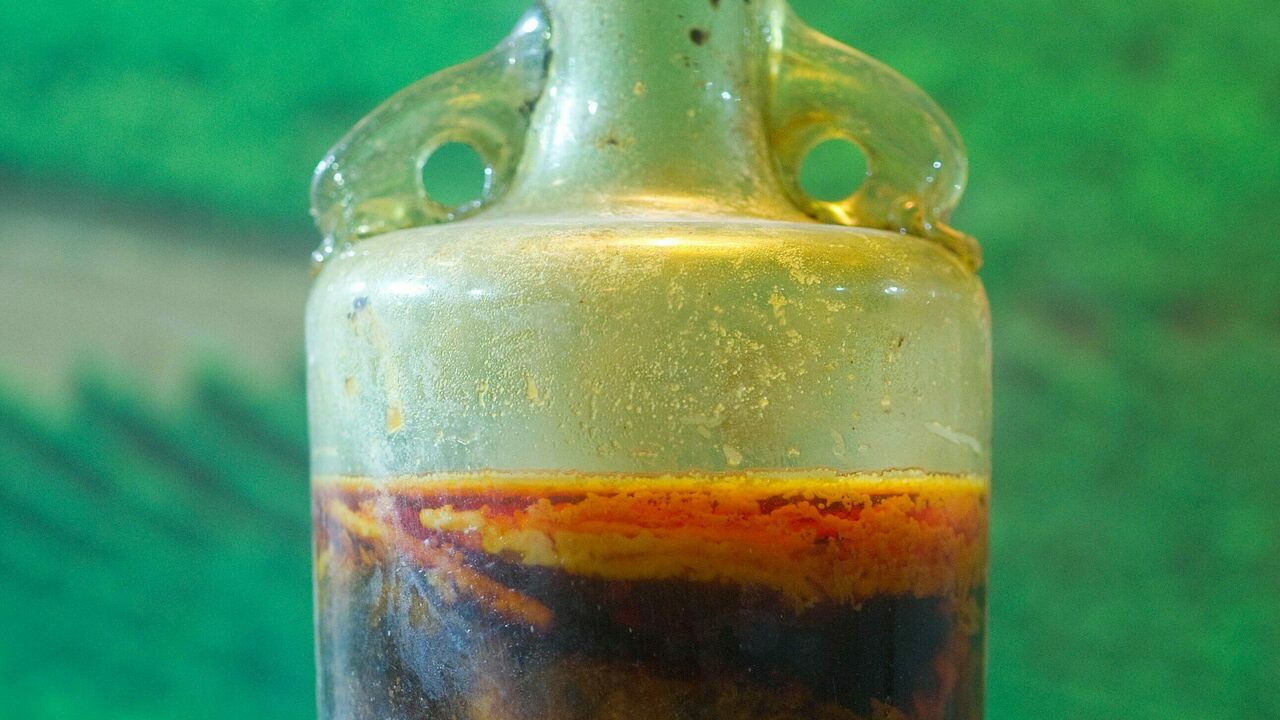
It is said that the oldest wine bottle in the world still exists and contains wine. The bottle, said to be in Germany and called the Speyer bottle, was produced by Roman settlers between 325 and 350 AD. It was discovered in the 19th century in a tomb, unopened, and can be found at the Historical Museum of the Palatinate in Speyer.
Monks Helped Spread Knowledge About Wines
Interestingly, monks, particularly Benedictine monks, helped to spread knowledge about wines all over Europe. At the time, wines were important for the Holy Communion. However, the wine that was distributed by the monks had been watered down to a large extent as getting drunk was not something acceptable to the Church.
However, all these things came to an end with the outbreak of the French Revolution in 1789. By the end of 1799, all the power was with the public, and the republic took away all the power that the nobles and the clergy possessed. With the downfall of the clergy, the popularity of wines also diminished.
Italy Produces the Most Wine in the World
Italy is the leading producer of wine in the world. In 2020 alone, Italy produced more than six billion bottles of wine. Other leading producers of wine globally include France, Spain, the USA, Australia, South Africa, Argentina, Chile, Germany, and Portugal. Over 80 percent of the wine consumed on Earth is made by these ten countries.
Women Drink More Wine Than Men
Around the world, women consume more wine than men. A Beverage Information Group report showed that more than 57 percent of all wine buyers are women. This is because women are drawn more towards drinks that don’t have a significant amount of alcohol and are sweeter. That is why they drink more wine than men. In fact, in the US, 52 percent of women preferred wine to other alcoholic beverages, while only 20 percent of men said that they liked to drink wine.

Titanic’s Wine Cellar Is Still Intact!
In 1985, a marine expedition set out to find the debris of the historic RMS Titanic. They did find the debris, and along with it 10,000 bottles of wine undisturbed in the ship’s cellar. This was an unbelievable discovery that marks Titanic’s wine cellar as one of the oldest in existence today. Most of the wine bottles remain on the ocean floor.
Conclusion
Wines are considered to be among the most sophisticated drinks in the world. They are classy, come in different varieties, and can be consumed either alone or paired with a dish. Wine is also healthier than most alcoholic drinks since it has very few calories with no fat or cholesterol.
The next 50 years are believed to be crucial for wine production. Factors such as climate change and warmer temperatures have already started impacting the cultivation of grapes in cooler regions such as Riesling, Sauvignon Blanc, and Pinot Gris. This, in turn, can affect the production and fermentation of wines and change their taste completely. However, on the brighter side, one can also expect to see wine being produced in lesser-known parts of the world. Don’t be surprised if a few years later, we have new varieties of wines flooding the market.
Wine has been around for centuries and I certainly hope we will enjoy its company for centuries more to come. From the days of the pharaohs to the Greek civilization to the latest technologically advanced wine-making processes, wine has had a long history. And interestingly enough, learning about this history of wine may even give us a peek into the history of mankind. Although it’s impossible to say for certain who took the first sip of wine, one can be fairly sure that it was an accident — and what a happy accident that was!