

Whether it’s a wedding, a casual day off at home, or a night out with friends, a glass of wine always makes for a great companion to memorable moments.
When it comes to wine consumption, the US ranks the highest in volume – perhaps owing to its large population and excellent local vineyards. Let’s have a look at how the US rates in wine consumption over the years.
Which Country Consumes the Most Wine by Volume?
For the first time, America dethroned France as the leading country in wine consumption by volume last year.
Americans consumed close to 33 million hectoliters of wine back in 2020. And France was at a close second with 24.7 hectoliters.
However, the global rate of wine consumption dropped by 3% in 2020. The world wine consumption rate was only estimated to be at 234 million hectoliters. This is the smallest quantity of wine drunk globally since 2002. It was observed that the problem could be because of the impact of Covid-19, and how it negatively impacted both liquor store sales as well as bars and restaurants.
The US, however, didn’t face too much of a problem primarily because of the growth of ecommerce which cushioned the impact of the pandemic.
To get a better idea of America’s wine consumption, here’s how the nation stacks up against the top ten wine-drinking countries in the world:
- US- 33 mhl (million hectoliters)
- France- 24.7 mhl
- Italy- 24.5 mhl
- Germany- 19.8 mhl
- UK- 13.3 mhl
- China- 12.4 mhl
- Russia- 10.3 mhl
- Spain- 9.6 mhl
- Argentina- 9.4 mhl
- Australia- 5.7 mhl
Which States in the US Consume the Largest Amounts of Wine?
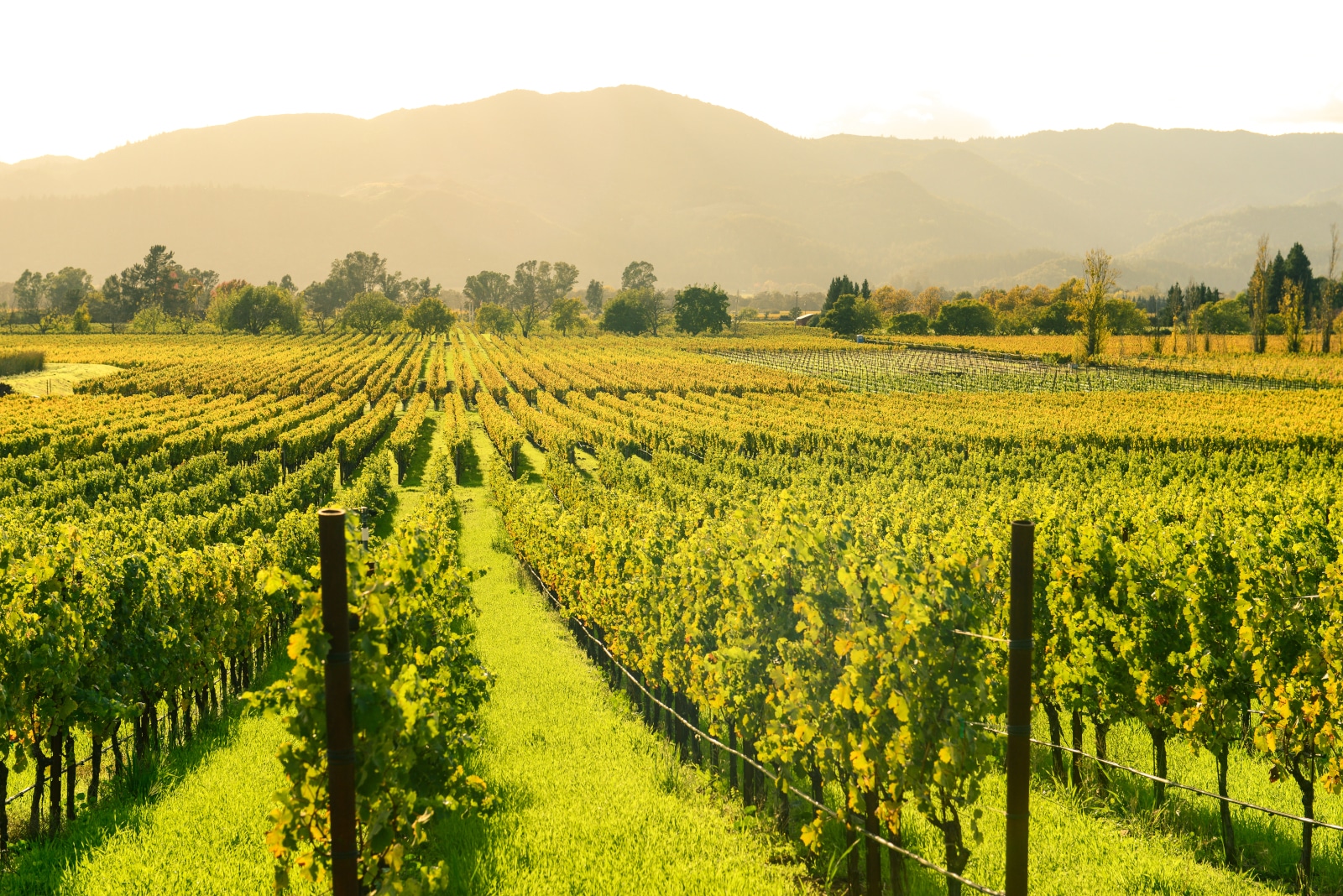
Unsurprisingly, California consumes the highest amount of wine, by volume, in America primarily because of its size and also because the state produces more than 86% of the country’s wine stock. Napa Valley is easily the most popular wine region of North America.
The list is followed by states like Florida, New York, and Texas- with West Virginia, South Dakota, and Wyoming finishing at the bottom of the list. That amounts to a huge difference in gallons because California consumes close to 155.6 million gallons of wine whereas South Dakota consumes only 1.2 million gallons.
However, with regards to per capita consumption, the list is entirely different. Idaho tops the list in states that drink the most wine per capita, which is 1.21 gallons of wine. And is followed by Washington D.C., New Hampshire, and Vermont with a per capita consumption of 1.02, 0.84, and 0.78 gallons of wine.
Which Country Consumes the Most Wine Per Person?
The list mentioned above consists of the top 10 wine-consuming countries by volume. If compared to per capita, the list could look entirely different – this is where we return to the expected case, where Europeans top the list.
A graph published by the American Association of Wine Economics (AAWE) back in 2018 showed the average liters of wine consumed per person, per year.
Portugal towered over other countries with an average of 62.1 liters of wine consumption per person. Luxembourg wasn’t far behind with 55.5 liters per person.
France and Italy followed with 50.2 and 43.7 liters respectively, with the UK coming in with 22.6 liters. Finally, America recorded 12.4 liters of wine consumption per person.

Why Is America’s Per Capita Consumption Less?
In consumption by per capita, the United States low on the list. However, they do rank extremely high on consumption by total volume, but only a minuscule part of the population consumes all that wine. Moreover, America doesn’t make it even to the top 50 in wine consumption on a per capita basis.
There are a host of reasons for this – and not all of them are cultural. Here are a few:
Post-Prohibition Laws
There are several reasons for the hesitancy in wine consumption in Americans. For example, the post-Prohibition laws have kept the wine industry from advertising about the drink’s health benefits and economic value. Whereas, beer and soft drinks have dominated as “beverage advertisers” on television for decades.
Voluntary Ban on Wine Advertising
Moreover, the American wine industry has followed through with a voluntary ban on wine advertising on television. They primarily choose to promote their wines at public wine tastings, for example.
Misleading Notions About Wine
Additionally, popular stereotypes attached to wine are often misleading and create a sense of hesitancy within Americans from even taking a sip of the drink. There is a popular opinion that wine is an elitist, unaffordable, and unpalatable drink. Also, some think that wine is not a drink for ‘regular people’.
Moreover, the drink is often sensationalized as a beverage that acts as a gateway into alcohol abuse. Whereas the truth is that the vast majority of people who consume a glass of wine with their meals very rarely become alcoholics.
Yet with all these factors, the United States still managed to top the chart in highest wine consumption by volume. Let us understand how.
How Did America Manage to Consume the Most Amount of Wine?
The wine market in the United States endured a rough ride in 2020 because of the onset of the pandemic. Predictions of doom and loss poured in because of the economic crisis. Yes, the wine market endured a loss. But the results weren’t exactly dismal.
Wine sales on-premises dipped, but off-premise wine sales, especially on e-commerce platforms kept the boat afloat.
Online platforms gave Americans the opportunity to freely purchase and consume wine, and ended the year with an increase of 4.98% in still wine consumption (by volume). Americans consumed close to 372 million crates of wine in 2020 in comparison to 357 million crates consumed in 2019. However, this is not the entire picture.
Let’s delve deeper into America’s wine consumption patterns.
Sparkling and Flavored Wine Consumption in the US
Wine consumption in the US may appear to have dropped over the pandemic year. The numbers portray an entirely different story for the consumption of sparkling and flavored wines in volume. Americans consumed close to 29 million cases of sparkling wine in 2019 in comparison to 27.2 million cases in 2020. This fluctuation was primarily caused by the impact of the pandemic and people didn’t exactly want to celebrate, nor did they have the opportunities to celebrate that with a bottle of sparkling wine. However, as the situation improved during the summer months, people relaxed over vacations and the consumption of sparkling wines surged.
Unfortunately, consumption took a fall again because of the second wave of the pandemic, which was far worse than the first.
A more surprising outcome was the consumption of flavored wines in the US. This wine garnered immense amounts of popularity in America and saw an increase in consumption at 90% in 2020. That technically means Americans consumed 32.1 million cases of flavored wine in 2020 in comparison to a meager 16.9 million cases in 2019.
What Does the Flavored Wine Category Include?
Wine cocktails, sangria, agave-wine, wine spritzers, and other such concoctions with wine as its base are part of the flavored wine category.
Flavored wines are expected to grow and continue to grow in the United States. This is because Americans find comfort in the ready-to-drink (RTD) packaging and other features of these wines.
After comparing all three of these wine categories (still, sparkling, and flavored), the total wine consumption in volume stood at 431.6 million 9-liter cases in 2020.
How Did Online Sales Affect Wine Consumption?
It is quite evident from the impact of the pandemic that most businesses have shifted their models to online platforms, including the alcohol industry. Over the last 12 months of the pandemic, many ‘in-person’ situations of our daily lives have shifted online.
Americans seemed more than happy with this shift in the trend. Online wine portals gained immense amounts of traction and a surge in sales because who wouldn’t enjoy a bottle of wine being delivered to their doorstep?
Some e-commerce platforms had recorded a growth of over 217% in the first half of 2020. Moreover, with the advent of e-commerce platforms, the United States experienced rapid growth in on-line wine purchasing during the pandemic between March and May in 2020.

Direct to Consumer Wine Shipments
One of the leading factors for the growth of wine consumption in America is Direct to Consumer (DTC) sales. Wineries performed exceedingly well in 2020, especially because of this feature.
This allowed consumers to directly contact their favorite wineries for a bottle of wine. And these wineries returned the favor by providing discounts, online events, and virtual wine tastings.
This enabled consumers to purchase wines from wineries at discounted prices and kept the growth of wine consumption alive.
However, another factor to consider is that Americans primarily purchase wines by varietal, and this is tracked by Nielson data.
What Are the Best-Selling Wine Varietals in the US?
For the first time, the Cabernet Sauvignon overtook the Chardonnay as the most consumed wine varietal, in value and volume. Mirroring this, the Sauvignon Blanc saw a considerable increase in volume and value, 22% for the former and 24% for the latter.
Rose continued with its startling growth of 20% in volume and 24% in value.
All in all, the consumption of red wine stood at 46%, white wine at 44%, and rose wine at 10%.
We shall go through the ranking of the best-selling wine varieties for a clearer picture. (All of these are noted in 9-liter cases in thousands.)
- Cabernet Sauvignon- 32,038
- Chardonnay- 28,290
- Red Blends- 19,988
- Pinot Grigio- 19,601
- Pinot Noir- 9,790
- Sauvignon Blanc- 10,804
- Moscato/Muscat- 10,745
- Merlot- 9,822
- Rose- 5,977
- Malbec- 2,567
Trends That Helped Grow Wine Consumption in the US
There were quite a few trends that took place over the years that helped aid the wine consumption in America. Let’s take a look at a few of them.
Millennials Have Become More Involved in Wine Consumption
2020 saw a considerable rise in the enjoyment of wine consumption in Millennials – who also make up the largest division of the U.S. population.
They consumed close to 20.3 percent of wine in 2020 in comparison to 17 percent in 2019. This is where online sales bolstered the consumption of wine in Millennials.
However, the older, or Boomer generation’s, share in wine consumption remains the highest despite having dipped from 40.1% in 2019 to 36.4% in 2020.
The Rise of the Sauvignon Blanc
The Sauvignon Blanc was already growing in popularity in 2019. However, Sauvignon Blanc grew with a whopping 25% in dollar sales in 2020. Americans enjoy the grassy, crisp Blanc of New Zealand as well as the more fruit-forward and riper style of the Californian Sauvignon Blanc. This particular trend is predicted to grow even in 2021.
Canned Wines
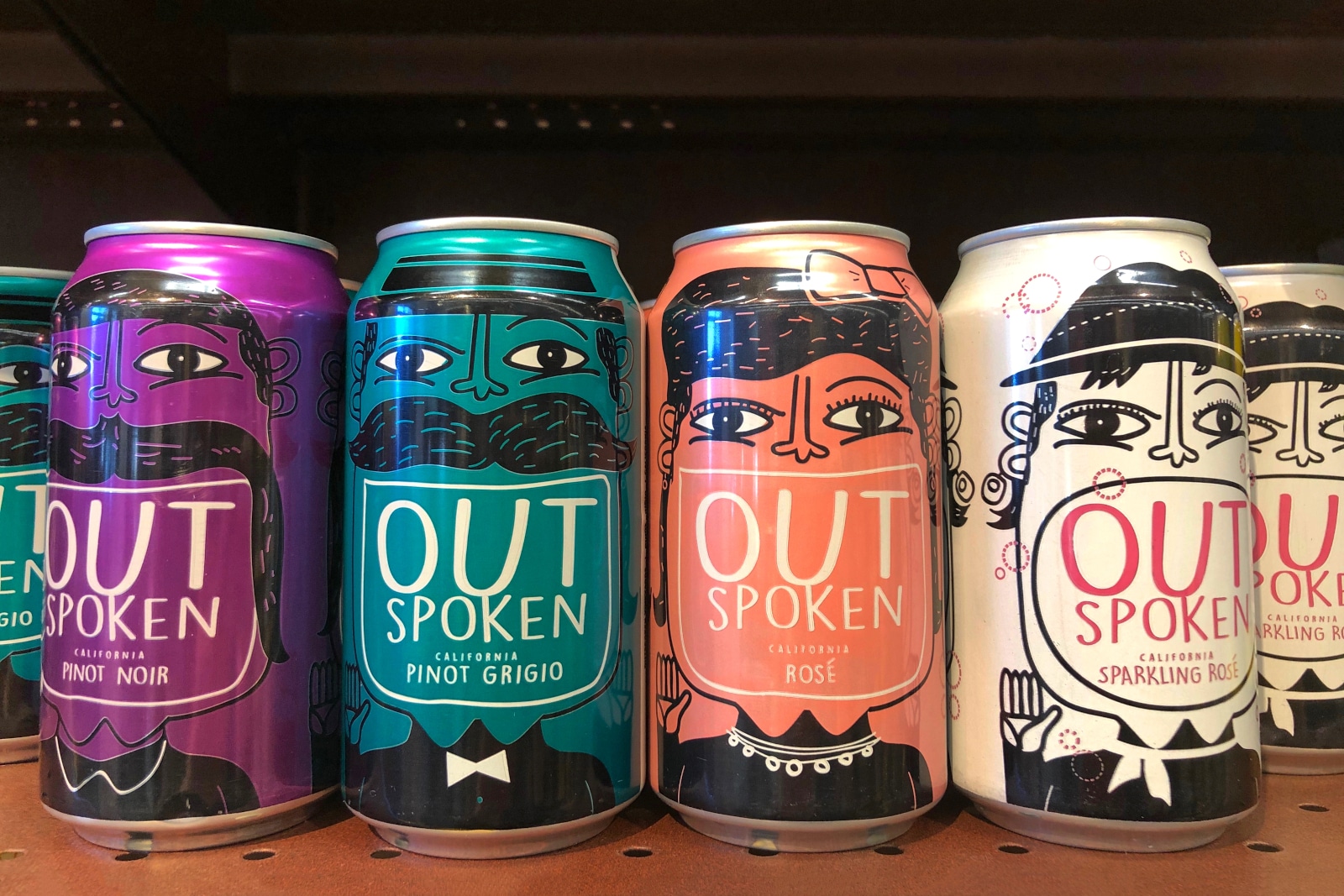
With the need for more convenience and comfort, wine in plastic canisters, tetra packs, and cans are expected to grow in the US wine-consuming market. This is primarily because canned wine consumption grew to a whopping 61% in 2020 which led to a shortage of cans in the wine market. Moreover, large box and small bottle methods grew exponentially during this period.
Tracking of trends suggest that the American consumer is open to innovation and new methods of purchasing their favorite wines.
Cabernets, Pinots, and Red Blends are Exceedingly Popular
Americans tend to drink red wine a bit more than white wine. And their favorite wines are mostly the Cabernet Sauvignon, Pinot Noir, and Red Blends. All of these wines experienced a double-digit boost in growth in 2020.
Although close to 70% of these wines are manufactured in the United States, the top countries where they imported these wines from are Italy, Portugal, and France. These imported wines also saw double-digit growth.
New York Wine Sees a Surge in Growth
California grows and manufactures the most wine in the United States, with Oregon coming in for a close second. And 2020 was no different for both these states.
However, another favorite was the New York wine which grew at 22% in dollar value, and 10% in volume.
This suggests that wine from these areas, including New York, will continue to achieve popularity in the coming years.
Conclusion
Wine may not be the most popular drink in the United States for many reasons. But in recent years, there has been a considerable surge in the consumption of this alcoholic beverage in the United States.
The volume in sales may have been less in these last couple of years especially because of the pandemic. However, this has opened a window of opportunities for wineries and on-line distributors – and also for those who crave a little vino to make that perfect evening even better.