
When we think of grapes, we often think of them as red, green, or purple-colored fruits. But they’re so much more than that! There are multiple varieties of grapes (more than a thousand) that are grown and cultivated across the world. And the wine grape characteristics are all unique.
If you didn’t know already, grapes are most commonly used in making wine. And one of the most important factors that affect the flavor of the wine are the grape varieties. While grapes may share similar names, they aren’t the same. Every grape has a distinct aroma, color, and flavor. That is what makes each wine unique.
Read on to brush up your knowledge on some of the most popular varieties of grapes in the world.
How Are Grapes Grown?
Once the grapes are planted in vineyards, the fruits are kept under close examination and provided with regular water, pruning, and protection. This is not an easy process because it takes close to three years for the plants to start growing fruit.
The plants undergo phases of pruning and dormancy before little groups of grapes start to grow. This is one of the most important phases of growing grapes because one slight mistake can affect the quality of the output. The vineyard workers ensure that their fruits receive everything the plants need for the perfect bloom.
Harvesting
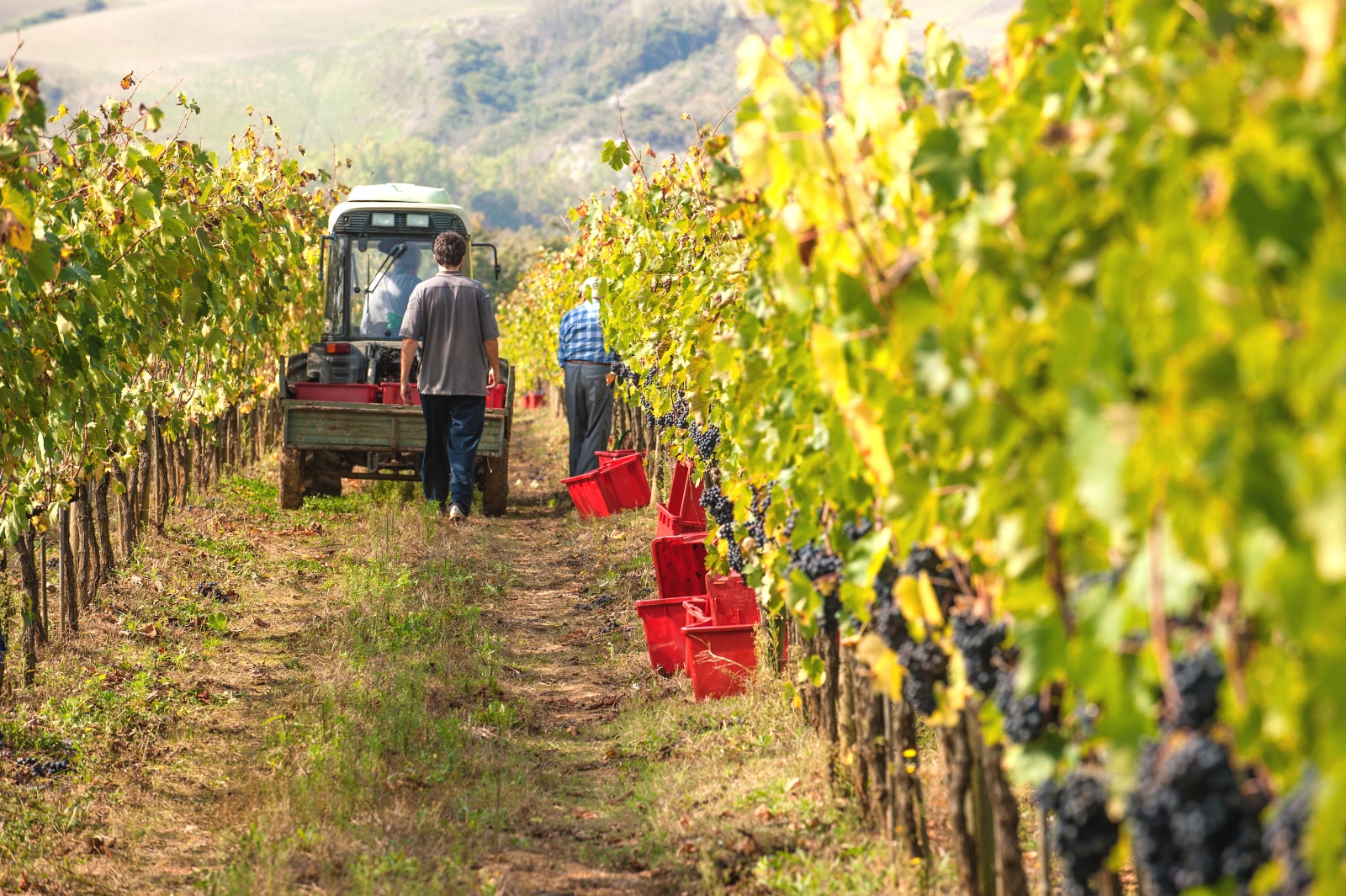
After months of hard work, those little green groups of grapes start becoming juicer, bigger, and colorful. White grapes tend to don a light green hue from their original dark green color. The grapes are harvested when their sugar levels or ‘Brix’ match the required level.
White Wine Grape Varieties
If you didn’t already know, different types of white grapes are used for different kinds of wines. That is why understanding the difference between these grapes can enrich your wine-tasting experience.
Chardonnay
If you’ve had any variety of white wine before, it was probably Chardonnay. This wine is made from the Chardonnay grape that can grow practically anywhere. This has led to Chardonnay becoming one of the most recognizable and popular white wines that you can expect to find in any part of the world.
The Chardonnay grape is grown and harvested in places like Europe, California, Australia, New Zealand, Argentina, and Chile.
This wine is mostly full-bodied and has a variety of flavors lemon, flinty apple, apricot, and peach. The wine can also have hints of some tropical fruits like pineapple and mango. Also, most Chardonnays are aged in oak barrels, giving them an oaky, burnt, and toasty flavor.
Sauvignon Blanc
In all probability, you’ve heard the name of this white wine as well. Sauvignon Blanc grapes are grown and cultivated in several parts of the world. They are primarily found in the US, New Zealand, Europe, and Australia. The grape was grown first in the regions of Bordeaux and Loire in France.
It is an extremely popular variety of white wine because of how well-balanced it is and how well it pairs with almost any dish.
The wine tends to have powerful flavors of green capsicum, gooseberry, and tropical fruits like passion fruits and melons. The flavor of this wine vastly depends on the aging it undergoes, the fermentation techniques, and the kind of barrel used.
The most common wine varietal characteristics you can expect from this grape are: – herbs, capsicum, chopped grass, gooseberry, grapefruit, lemons, limes, peas, asparagus, melon, and passion fruit.
Riesling
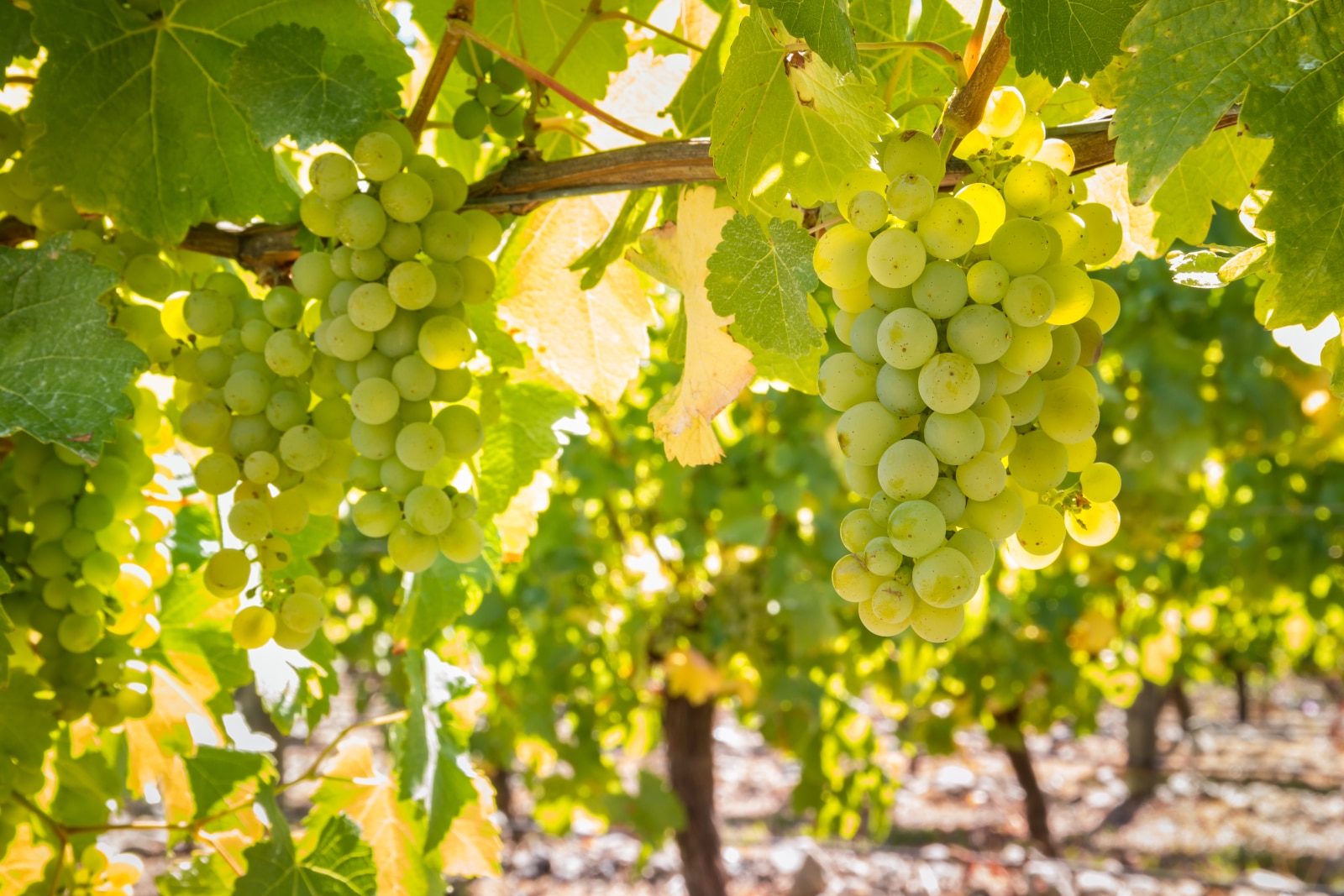
Riesling is an incredibly aromatic and flavorful variety of white wine. This grape is mostly grown in colder climates and is popularly grown in places like Argentina and Australia.
Riesling is extremely popular because of how well it ages. Most whites and reds age well, but Riesling grapes age better than most other grapes. This gives it exquisite aromas and flavors after cultivation, even after being aged for many years. Riesling grapes naturally contain higher percentages of acidity than other grapes, helping preserve the wine for long periods.
Intense aromas and flavors of lemon and limes are standard characteristics of this beautiful wine. Riesling is also notably less sweet than any other wine. You’ll often detect enhanced flavors of spice, honey, and orange.
Pinot Gris
One of the lightest and most refreshing white wines out there, Pinot Gris makes for one of the most popular white wine grapes on the planet.
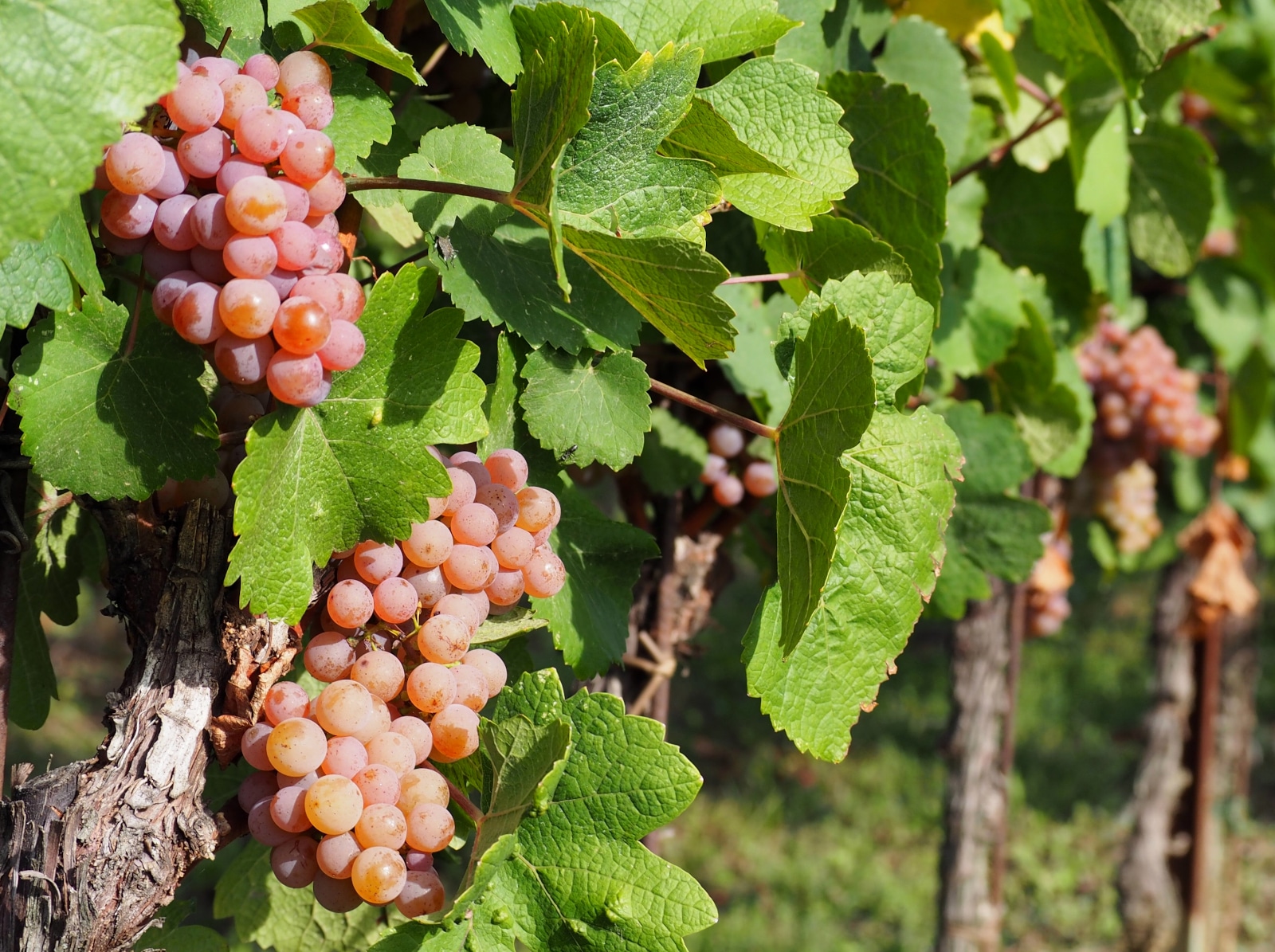
The grape was first grown and cultivated in the vineyards of France. For a white wine grape, ironically, these grapes aren’t white at all. Rather, they tend to have a grayish hue. Hence, their name “Gris,” meaning gray in French.
After traveling from France to Italy, the wine became quite popular, quickly becoming one of the most favored white wines in the United States.
The wine has the richness and boldness of the Chardonnay but has the extra little spice of the Gewurztraminer. The most common flavors in the wine are apples and pears with a splash of spice and cloves. The wine may also have some subtle hints of wood. But it is quite rare ensuring that the woody flavor does not overpower the fruity and slightly spicy flavors.
Albariño
This delightful coastal white grape primarily grows on the Iberian Peninsula. This vivid Spanish grape variety is extremely popular for its salinity, powerful acidity, and robust stone fruit flavors.
As the Albariño grape has thick skin, it can be easily cultivated in vineyards at high altitudes and damp environments without risking rot or mold. In fact, being grown in cold places at such high altitudes, ensures that the Albariño grape does not over-ripen and thus develops a more acidic, fresh taste.
The primary flavors of this wine are grapefruit, lemon zest, honeydew, saline, and nectarine. This wine pairs amazingly well with soft cheeses, a variety of seafood, and numerous vegetarian dishes.
Gewurztraminer
Famous for its powerful floral aromas, Gewurztraminer has been known in Germany for hundreds of years. One of the reasons why this wine is so popular is because of how age-worthy it. However, to preserve the acidity of the wine, it’s best if you consume it in its youth.
Prominent flavors of this wine are rose, lychee, grapefruit, ginger, and tangerine. You can enjoy this exquisite wine with Moroccan and Middle Eastern cuisine. The nuts, dry fruits, and roasted meat pair beautifully with this wine.
Chenin Blanc
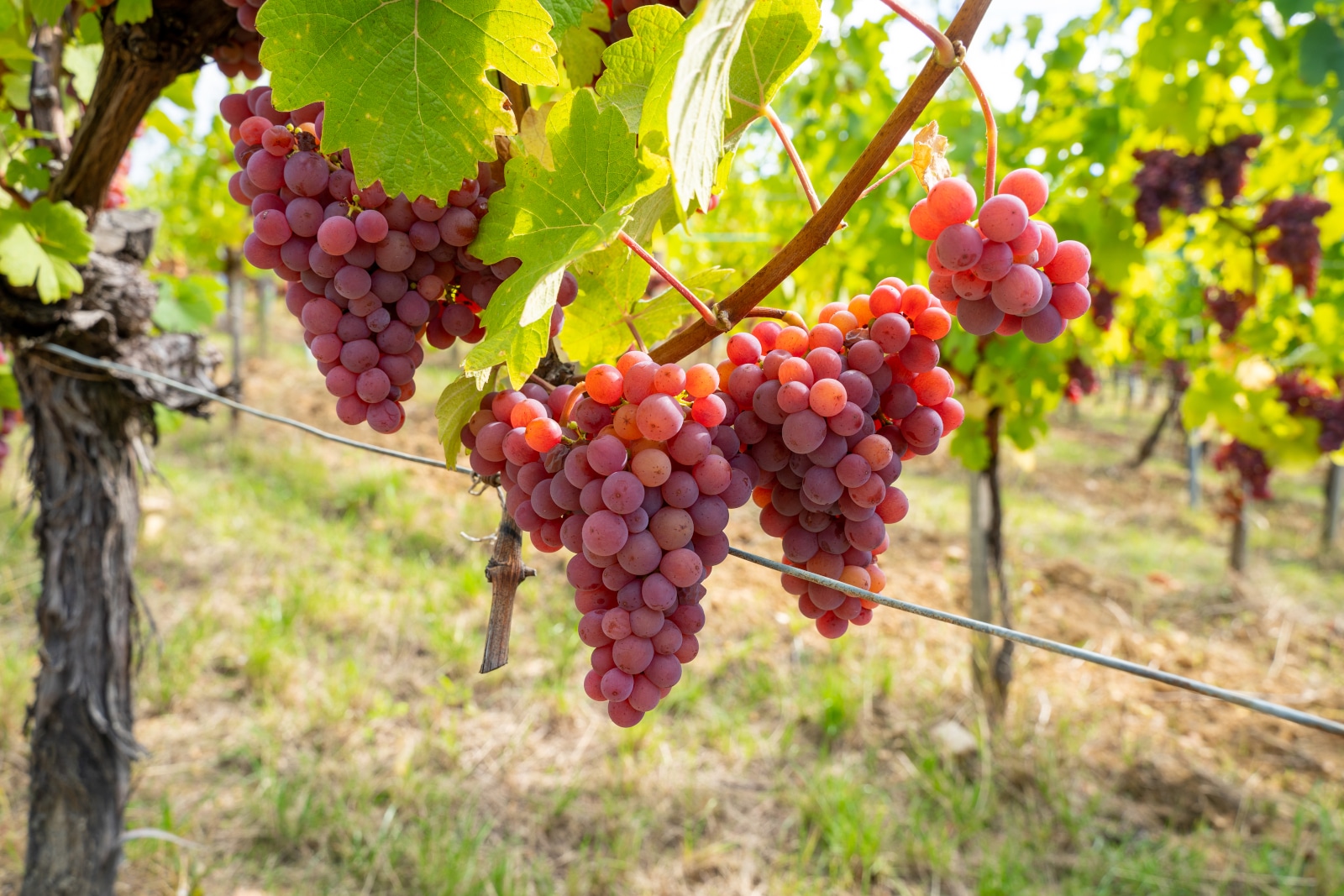
One of the most adaptable white varieties, the versatile Chenin Blanc is one of the most popular white wines out there. It has the capability of adapting to various tastes, similar to that of the Chardonnay.
Although popularly grown in France, more than 50 percent of Chenin Blanc vineyards are actually in South Africa. This is a highly acidic grape variety that can create dry and sparkling or even sweet wines.
The primary tasting notes of this wine are quince, yellow apple, pear, baked apple, passion fruit, bruised apple, peach, persimmon, and mandarin. And the subtle hints of oak make the wine perfect for every occasion.
Red Wine Grape Varieties
Cabernet Sauvignon
Probably one of the most recognizable red grapes, Cabernet Sauvignon is a stalwart grape hailing from Bordeaux in France. It is also considered to be one of the most exquisite new world wines in Australia’s Koonawara and California’s Napa Valley. Some of the world’s most sought-after and expensive wines are Cabernet-based.
This wine is multi-faceted and complex. While its most common flavors are black currant, black olives, black plum, and blackberry, these flavors slowly merge with hints of spice, coffee, and chocolate. Cabernet Sauvignon can deliver a wide range of tastes depending on how it was fermented.
As Cabernet Sauvignon ages, it takes on prominent notes of prune and stewed fruits, along with licorice and mint.
Merlot
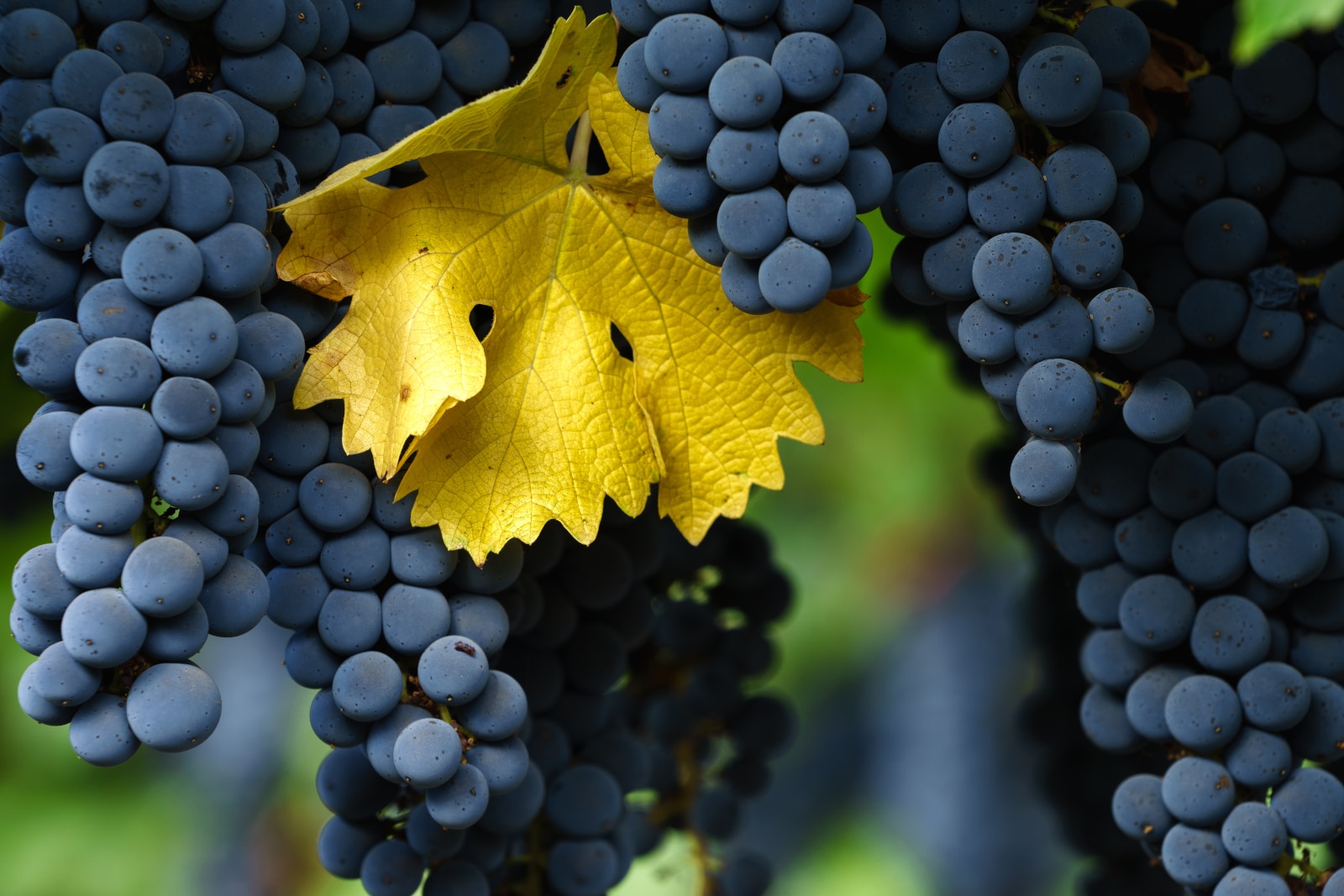
One of the most popular wines in the world, the Merlot grape’s home is Bordeaux, it grows in huge numbers on the right bank of the region. The wine is extremely popular because of its ability to ripen faster than Cabernet Sauvignon and Cabernet Franc. The grape is so successful that several Merlots are blended with Cabernet Sauvignon.
Merlot is naturally sweeter and fresher than Cabernet grapes. This mix blends the refreshing and fruity flavors of Merlot and softens the intensity of Cabernet.
Merlot has prominent characters of plums, fruitcake, leather, and is slightly gamey. Other prominent flavors are that of spice, blackcurrant, and coffee. When it’s blended with other Bordeaux grapes, the wine produced is soft with smooth and balanced tannins.
Pinot Noir
This beautiful grape is found in the lush and mesmerizing region of Burgundy. Pinot Noir is used to make practically all the red wines in this region. Pinot Noir is quite different from other red grapes and is capable of producing a wine with extreme finesse, class, and complexity.
Growing Pinot Noir requires extreme care because the grape is quite temperamental and requires precise conditions to bloom. That is why it is so difficult to replicate the juicy and refreshing flavors of the strawberries, raspberries, and “sous bois” of this region elsewhere.
The most common flavors of the wine produced from this grape are plum raspberries, strawberries, mushrooms, red berries, and beetroot. It produces a light-bodied wine that bursts with bright acidity.
Syrah
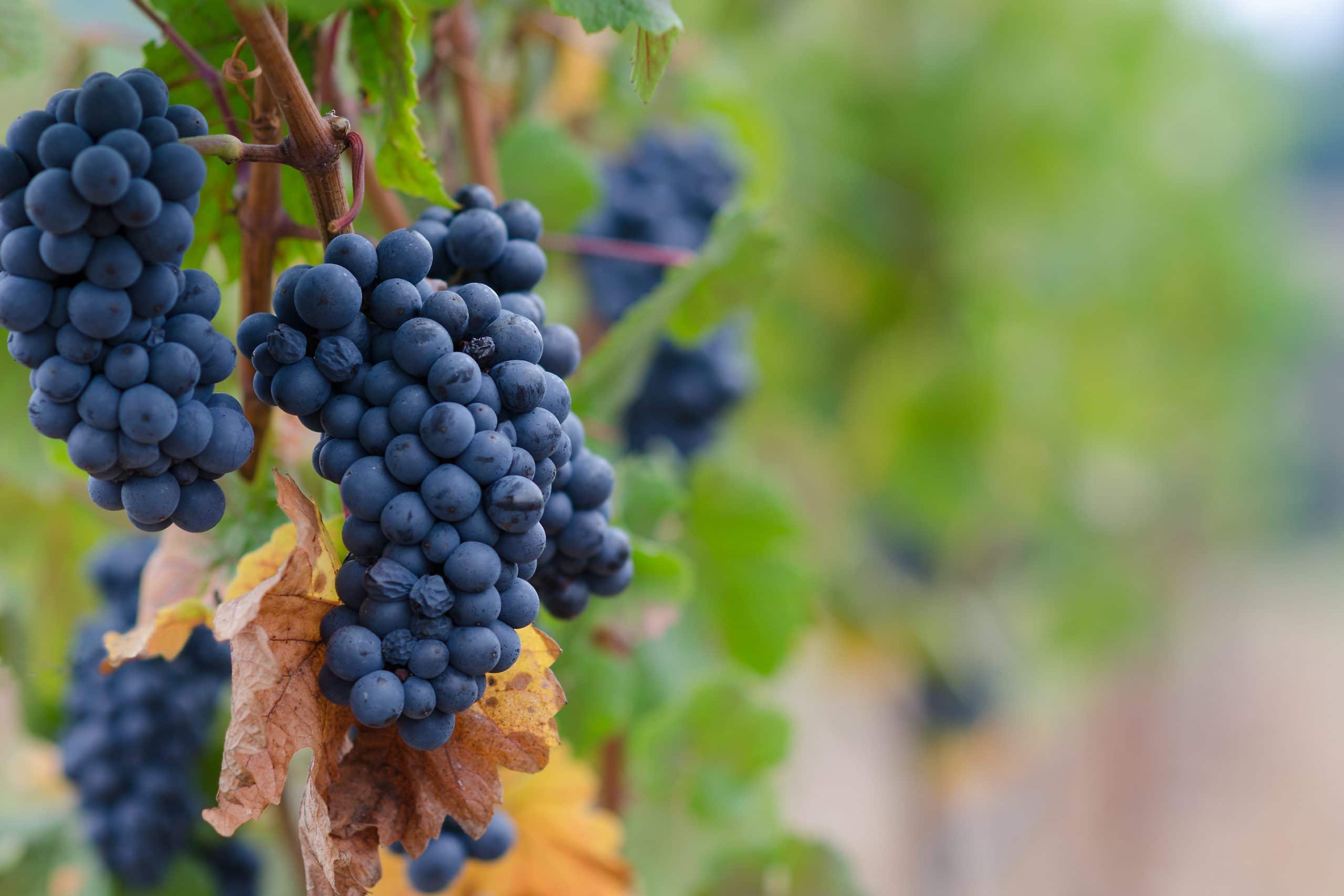
If you didn’t already know, Syrah and Shiraz are technically the same grape variety. Syrah refers to the old world expression while Shiraz refers to the new world expression. Syrah is generally more savory, spicier, and meatier, whereas Shiraz is more fruit-forward and sweeter. However, both these grapes produce wines that are led by flavors of plum and blackcurrant, followed by peppery and meat flavors. These meat flavors are sometimes called “bacon fat.”
Other prominent notes of Syrah are blackberries, raspberries, licorice, plums, black peppers, prunes, and spices. After aging, the wine develops subtle earthy flavors that increase the richness and complexity of the wine.
Some of the best Syrahs in the world are grown in the Rhone Valley in France and the Barossa Valley in Australia.
Tempranillo
One of the most prominent grapes in Spain, Tempranillo produces a wine that is extremely fruit-forward with intense flavors of berries. Internationally, the grape is referred to as Rioja.
Tempranillo wines are often ruby red. Aromas of plum, tobacco, berries, vanilla, and herbs are notable. The wine produced from this grape also has subtle aromas of leather and tobacco and emits sappy, vegetal, and fresh aromas.
Tempranillo is often blended with other grapes and isn’t known to produce wines of a single variety. Due to its low sugar levels and acidity, the grape is often blended with Carignan, Grenache, Merlot, and Cabernet Sauvignon. However, lately, the grape has been receiving quite a lot of attention for being bottled as a single varietal.
Malbec
This exquisite grape variety was initially grown in southern France but is now grown mainly in Mendoza, Argentina. Malbec is mostly deep purple in color. Initially cultivated as a blending grape, Malbec has gained great popularity in recent years.
Malbec is a smooth wine with medium to high tannins and moderate levels of acidity. Its deep purple and magenta hues are complemented by the wine’s exquisite flavors of blueberry, prune, black cherry, and hints of coffee and chocolate.
Malbec’s popularity is also due to how wonderfully it pairs with a wide variety of foods. Despite being a dry red wine, Malbec is also great as a dessert wine.
How Many Grape Varieties Are There?
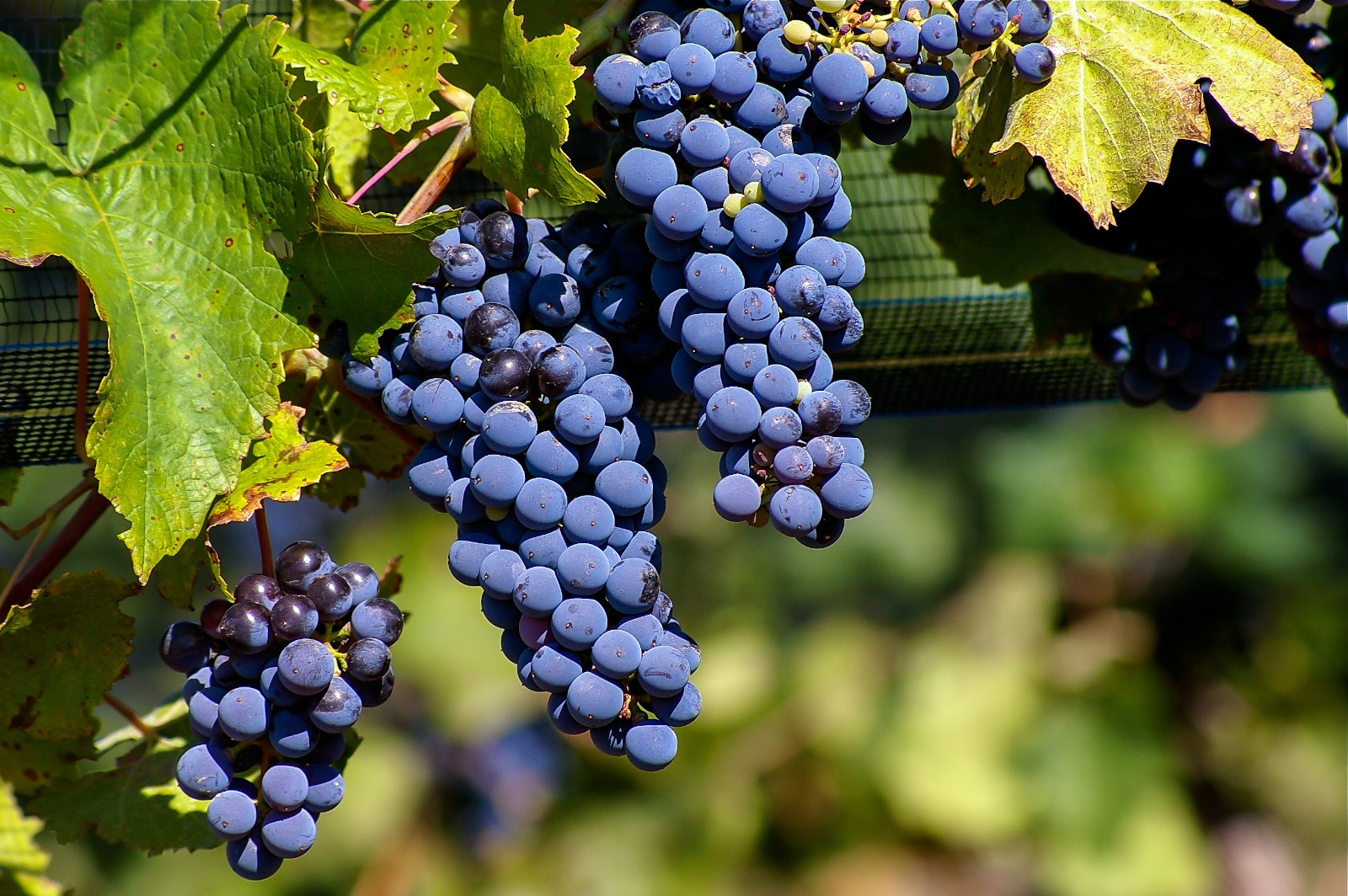
There are more than 10,000 varieties of grapes that are grown and harvested across the world. But only a handful of these are popular. One of the main reasons for this multitude of grape varieties is because these fruits have frequently been used in making alcoholic beverages since the Neolithic era.
What Are the Noble Grapes in Wine-Making?
You might have heard this term being used before. There are two answers to this question. There are two categories of noble grapes, namely The Five Noble Grapes of Bordeaux and The Six Noble Grapes.
If we’re talking about wine in general, then the Six Noble Grapes are Chardonnay, Sauvignon Blanc, Riesling, Pinot Noir, Cabernet Sauvignon, and Merlot.
However, if we’re talking about The Five Noble Grapes of Bordeaux, the grapes are as follows: Merlot, Malbec, Petit Verdot, Cabernet Franc, and Cabernet Sauvignon. These grapes make for some of the most popular and revered red wines in the world.
What Makes a Good Wine Grape?
Simply put, the territory and climate of a particular region play a pivotal role in how good a wine grape will be. The very reason why each wine tastes and smells differently to its counterparts is because of the climate and region where it was grown. To bring the best out of grapes, a winemaker must understand the impact certain regions and climates have on the fruit’s cultivation.
Wine production usually takes place in regions where the grape growing period ranges from 53- 71 ℉. And in cases of individual grape varieties, the climatic window narrows down further. Therefore, to grow a good wine grape, one must understand the geological and climatic requirements of that grape.
Conclusion
Grapes have been cultivated to make wine since the Neolithic era. And with the plethora of grape varieties being grown around the world, it can get quite confusing to understand the differences between all of them.
Hopefully, this short guide has given you enough information on these exquisite fruits to help you understand your favorite wines better!