What Is Pinot Blanc?
Pinot Blanc is a mutation of Pinot Noir. It has a history stretching back to the medieval times. This grape shares a common ancestry with Auxerrois and another more obscure grape Gouais Blanc. Pinot Blanc characteristics are similar to Auxerrois, both share a common of fairly low acidity (Auxerrois has lower acidity than Pinot Blanc) and a subtle sweet taste.
Generally, Pinot Blanc plays second fiddle to Chardonnay and was sometimes confused with Chardonnay in the 1980s. This led to a rather embarrassing situation when rootstock was introduced to South Africa as Chardonnay but was, in fact, Pinot Blanc, and the only true Chardonnay was the stock that was smuggled in to avoid quarantine.
Alsace, the Home of Pinot Blanc
Pinot Blanc is at home in Alsace where it is blended with Auxerrois to form a wine called Clevner or Klevner which is the everyday drinking wine of the area. Additionally, this blend is also used to produce the sparkling wine, Crémant d’Alsace.
Although Alsace is the major growing area of Pinot Blanc, the grape has acquired international appeal, particularly for its blending qualities. In Italy, it is called Pinot Bianco and is extensively used in blending with Chardonnay to create the Italian champagne, Franciacorta.
Available in Many Countries Around the World
In Germany, the wine is known as Weissburgunder and is sometimes fermented with the slightest of barrel assistance. In Austria, the barrel fermentation process is used more extensively when late-harvested Pinot Blanc is blended with Chardonnay.
In Slovenia and Croatia, Pinot Blanc is blended with a wider variety of grapes and is known as Beli Pinot.
In California Pinot Blanc got off to a rather shacky start because the original plantings turned out to be the Muscadet grape, Melon de Bourgogne, and not Pinot Blanc. Subsequent plantings of true Pinot Blanc have promoted the blending of Pinot wine primarily in the production of sparkling wine.
In Canada, the Okanagan Valley has established itself as a prominent producer of Ice Wine using Pinot Blanc grapes.
What Color Is Pinot Blanc?
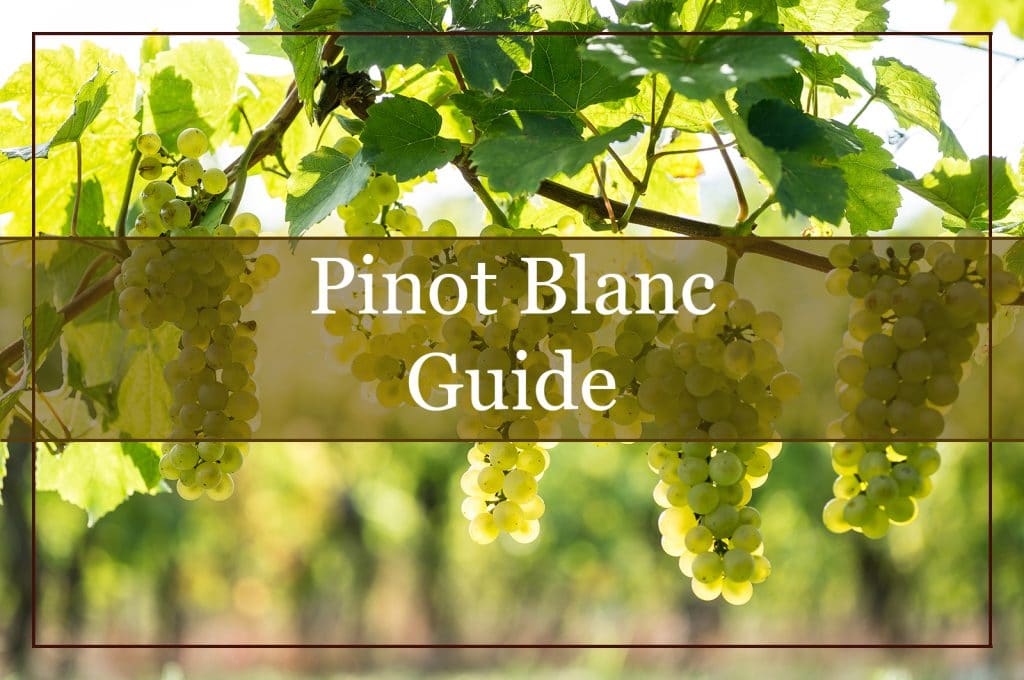
The Pinot Blanc color is typically a light white wine color. Ranging from almost clear to pale straw and then sometimes there is the subtle greenish hue to the wine. An interesting color variation between the three Pinot varieties is the result of the concentration of anthocyanins.
Remember that both Pinot Blanc and Pinot Gris are derived from the Pinot parent, and both are susceptible to spontaneous mutation. So, the parent has black grapes, the Pinot Blanc has white grapes, and the Pinot Gris fruit can vary from a light blueish grey to a darker pink color.
What Does Pinot Blanc Mean?
Pinot is thought to be derived from the French word for ‘Pine’, ‘le Pin’ because the vine has black bunches of fruit-shaped very similar to that of a pine-cone. The ‘noir’ or the ‘blanc’ refers specifically to the color of the grape.
How to Pronounce Pinot Blanc?
Pinot Blanc pronunciation is not that difficult. Here we have the all too familiar French silent consonant at the end of Pinot. Lay accent on the first syllable of the word and allow the second to gently drift away and rhyme with ‘know’. So, say Pi (rhymes with ‘pea’) and then an exhaling ‘know.’
The second part of the name is also easy, but refrain from pronouncing ‘blanc’ as if it ended in a ‘k’. The trick here is to replace the ‘a’ with an ‘og’ sound and let the ‘c’ slide majestically off the tongue.
Where Does Pinot Blanc Come From?
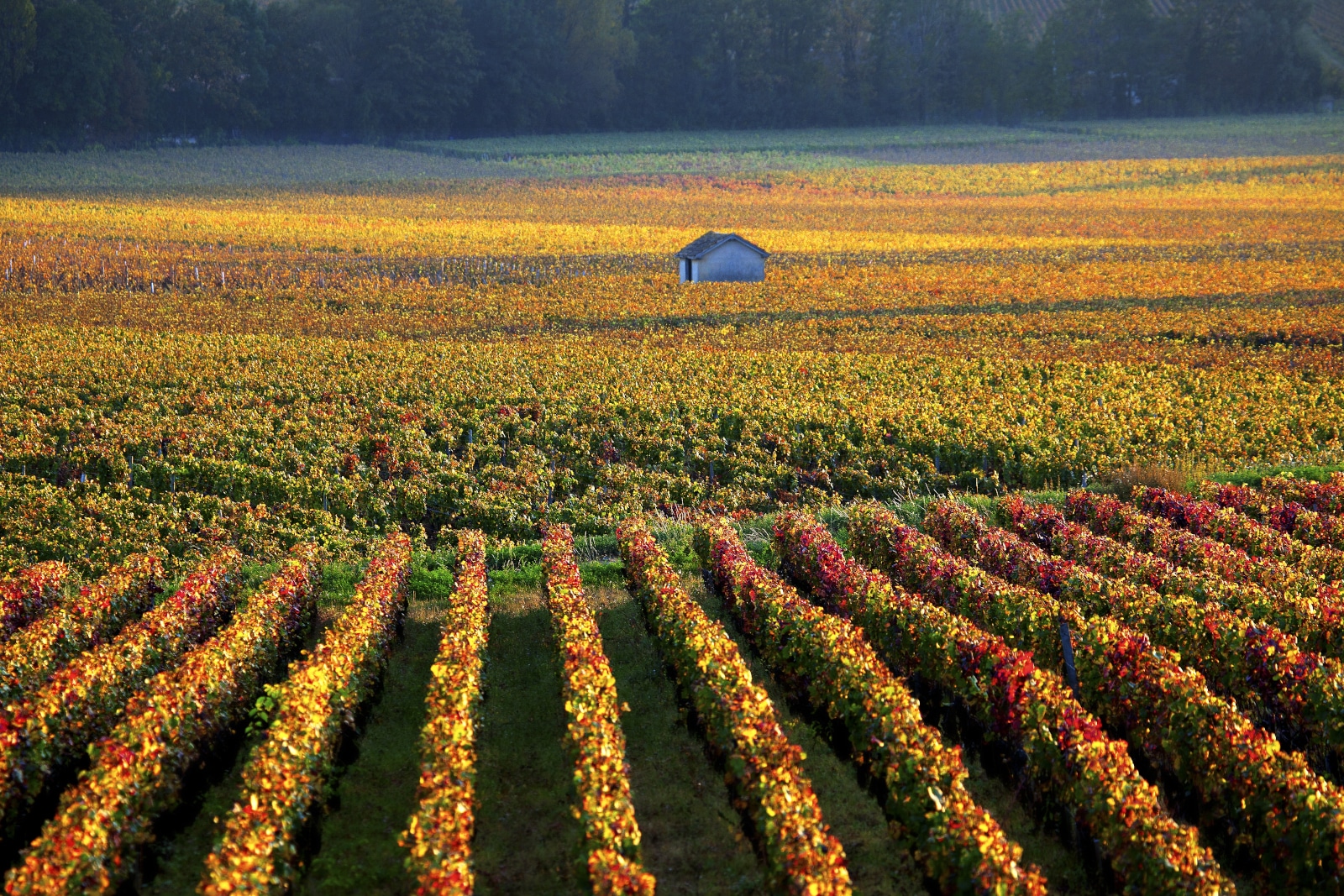
Originally Pinot came from Burgundy in France. As the dominant wine of this region was Chardonnay, Pinot Blanc needed a region that would embrace the wonderful submissive flavors of the wine. Over time it migrated northwards to Alsace and further on into Italy and Austria as well as southern Germany.
Expanding into the New World. Pinot Blanc is a favorite choice in California in the making of sparkling wine while in Canada it is used extensively in the ice wine market.
What Kind of Wine Is Pinot Blanc?
Pinot Blanc seems to be locked into the group of Pinot wines together with Chardonnay. In describing Pinot Blanc, the phrase ‘similar to Chardonnay’ or Pinot Gris is often seen but Pinot Blanc is so much more than a comparative second fiddle. It is a remarkably versatile wine.
The pale straw color with the sometimes-green hues separates it from the brightly clear Pinot Gris. The wine tends towards fruity with a moderate acidity that results in a lighter wine with subtle nuances of apples and peaches, and a typical floral Pinot Blanc aroma.
The real strength of the wine lays in its versatility. Although regarded as the poorer Chardonnay it shares the qualities of a full-bodied style with a satisfactory level of acidity which makes it an ideal basis for winemakers to weave their magic. Pinot Blanc has an incredibly positive reaction to maturation in oak and this tends to reduce the minerality of the wine.
Is Pinot Blanc Dry or Sweet?
Generally, Pinot Blanc is regarded as a dry wine because of the acidity. However, care should be taken in describing the wine as such because of the natural versatility of the wine. With the aid of skilled winemakers, the fruity undertones can be brought to the fore as exemplified by the Weissburgunder wines of Germany and Austria.
What Does Pinot Blanc Taste Like?
The Pinot Blanc tasting notes are of fruit. There is gentleness about the wine and a relatively low acidity. Pinot Blanc always suffers from the comparison with Chardonnay because it lacks the robust body of its more favored cousin.
Pinot Blanc, in the French way, is a fresh easy drinking wine meant for every day, and only if the yields are conservative will the wine have enough body to withstand some barrel maturation. This encourages a creaminess with a hint of almonds.
Under the influence of German and Austrian winemakers, the wine develops a creamier texture because of barrel fermentation. Here the wine will present more fruit of pear, apple, and sometimes a lovely lightness with citrus to match the hints of minerality.
Austria is also highly skilled in producing a dessert wine, Weissburgunder, from the Pinot Blanc wine.
Pinot Blanc Attained Elegance in Italian Wineries
Under the guidance of Italian winemakers, Pinot Blanc or Pinot Bianco as the wine is known in Italy endears itself with a certain elegance coupled with a delicate scent of white flowers and a bouquet of apple, pear, and light citrus flavors.
The Pinot Blanc flavor profile is enhanced by the wine being fermented in tanks and then allowed to rest on the lees for some months after fermentation to add depth to the freshness of the wine.
Some of the single-vineyard Pinot Blanc wines that have been aged in wood can develop great structure and complexity and assume good aging qualities.
How to Serve Pinot Blanc?
Following the various styles of Pinot Blanc, different glasses for serving the wine are suggested depending upon the use of wood in the maturation process. Where the wine has been produced in steel tanks with no additional barrel fermentation then wine glasses with narrow openings are required to allow the aromas to reach their full potential.
Pinot Blanc that has enjoyed a liaison with oak needs a glass with a wider opening to allow the wine to display the enticing array of aromas.
The temperature to serve Pinot Blanc has a marked influence on the taste and aroma. Too cold and the fruit flavors become muted and too warm can result in a loss of structure so take care to serve the wine at the correct temperature. For Pinot Blanc, the suggested range is between forty-five to fifty degrees Fahrenheit.
While this is colder than many other white wines do not be tempted to store Pino Blanc in the refrigerator as the temperature will be too cold. Rather pop a bottle or two in the refrigerator an hour or so before serving.
How Long Should Pinot Blanc Breathe?
Almost all wines will benefit from a little time in a decanter to stretch out and relax. Take a couple of deep breaths and smooth out any potential rough edges. The exposure to the air encourages the wine to fully develop the aromas and flavors so try and allow your wine an hour to soar to new heights with a good dose of air.
Try it for yourself. Pour half the bottle into a decanter and allow it to breathe for half an hour or so. Pour a little from the bottle into a glass and taste it. Next, try a sample from the decanter. Better still ask your friends to taste both without knowing if the sample came from the bottle or the decanter. It is an interesting experiment.
What Food to Pair With Pinot Blanc?
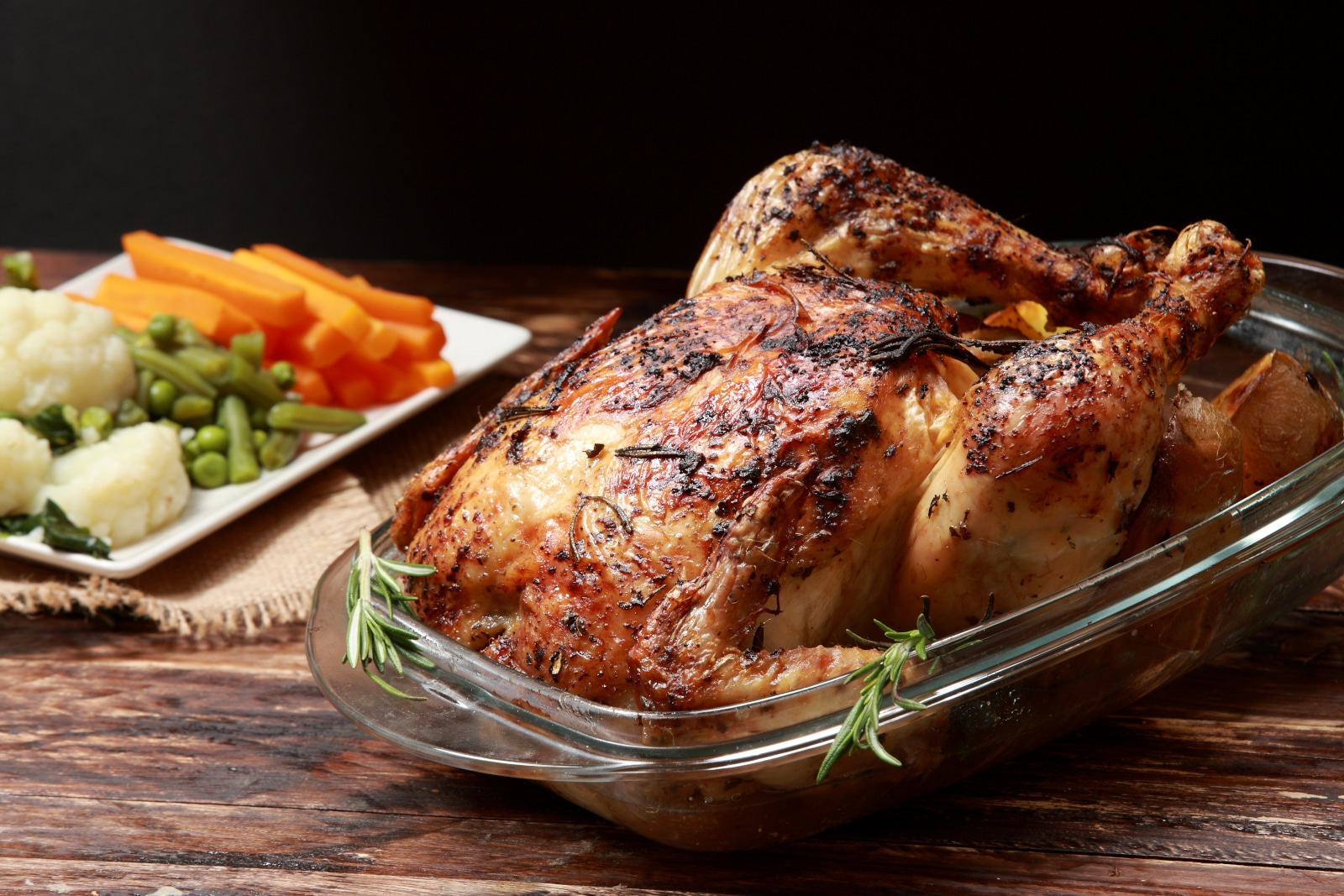
Pinot Blanc food pairing is a gentle affair. There is no need for heady and intense flavors. Here we are dealing with delicate flavors. Creamy and mildly acidic sauces will effortlessly blend with Pinot Blanc. Try some roast chicken with slow-roasted vegetables and gorgeous tender new potatoes with a caressing of melted butter.
Steamed white fish still firm and succulent will duet superbly with this wine as will pasta with gentle creamy sauces.
Pinot Blanc cheese pairing is also a mild affair. Head towards those cheeses with sublime textures that have mild flavors. Brie, camembert, and goat cheese are perfect companions.
How Much Alcohol Does Pinot Blanc Have?
Pinot Blanc alcohol content tends to be medium to high ranging between twelve to fourteen percent by volume.
How Many Calories Are There in a Pinot Blanc Serving?
The amount of carbs in Pinot Blanc is close to three grams per serving while in the same serving there will be around one hundred and twenty calories.
Conclusion
Pinot Blanc is one of those easy-going wines that happily stay out of the limelight but are quite happy to lend a hand to many other cultivars to enhance the overall flavor. It has a great deal of flexibility and allows the winemaker a wonderful opportunity to create and enhance the gentle personality of the wine.
Moving through different countries and regions it embraces the nuances of the region and builds a distinctive rapport with the population. The rather gentle and subdued Pinot Blanc of Alsace with the creamy texture and flavors of apple and spice is quite different to the crisp and dry Pinot Bianco of Italy while the Weissburgunder of Germany and Austria has taken a different route as well.
Perfect Versatility
The versatility of the wine is also displayed in the range of wines that include Pinot Blanc in the blending. From sparkling wines to dessert wines, the gregarious Pinot Blanc joins hands with a range of other wines to enhance the overall flavor of the blend.
The overall impression of the wine is one of gentleness. The suggested food pairing enhances this quality and here we are looking for soft and comforting flavors with no harsh and sharp edges.
The fact that Pinot Blanc has traditionally played a subservient role to the more robust chardonnay should not deter the quest to experiment with this wine. It can be the everyday easy drinking companion to a plate of soft cheeses on a lazy afternoon or alternatively, it will excel at combining with delicate dishes at a sophisticated dinner table.