
Grapes are arguably one of the most versatile of fruits — have them as table grapes that go with anything, process them to make raisins, use grape oil, make grape jam or grape juice, or better still, ferment them to make wine.
However, the process of growing them successfully involves a lot of work that takes years. From protecting the fruit from bugs and disease to pruning them to produce a good yield, everything needs to be done at the right time.
For years, vintners have been working hard to understand and recreate timeless flavors in grapes and then transfer them into the wine. If you, too, want to know what goes into making your favorite dry red, keep reading.
What Is Viniculture?
Viniculture is a branch of horticulture. It includes the study of cultivating grapes, specifically the cultivation of grapes to make wine.
Grapes have a wide range of applications, all of which require the fruit to have different characteristics. Since winemaking needs grapes of a particular variety to be grown and cultivated with calculated methods at each step of the way, they require a unique field of study.
What Does Viniculture Include?
Viniculture includes the study of the soil, climate, and determining the right time for harvesting. The primary aim is to produce a high-quality wine grape that gives more juicy clusters of fruit throughout its cycle. It is a viniculturist who studies and applies their knowledge to produce a good quality grape yield.
What’s the Difference Between “Viticulture” and “Viniculture”?
When talking about grape production, there are various interchangeable terms people often use. Viticulture and viniculture are two such terms.
Viticulture refers to the process of growing grapes for all purposes.
Viniculture is exclusively used when talking about growing grapes for winemaking.
Is It Hard to Grow Wine Grapes?
Depends.
Growing grapes is relatively easy; however, if the grapes are to be used for making wine, then it’s a different story.
Wine grapes are very delicate fruits — they dry too easily in hot climates and don’t handle wet or cold temperatures for too long either. The soil needs to have good drainage for grapevines to develop well. You may grow a grapevine but it may bear little to no fruit or produce half-grown fruits that aren’t ready for consumption or winemaking.
How Long Does It Take to Grow Grapes for Wine?
Once you plant the grapevine, it will take up to three years for the first fruits to show. It also takes time to find the right land to plant them in, more so when you consider the process from harvesting to bottling the wine.
What Is the Lifespan of a Grape?
The lifespan of a grape is decided by several factors like the maturity cycle, the stage the grape is at, and its variety. While grapes harvested for winemaking need to move through the fermentation process pretty quickly, table grapes have a lifespan of a few weeks at best. Overall, grapes are highly perishable and best eaten fresh.
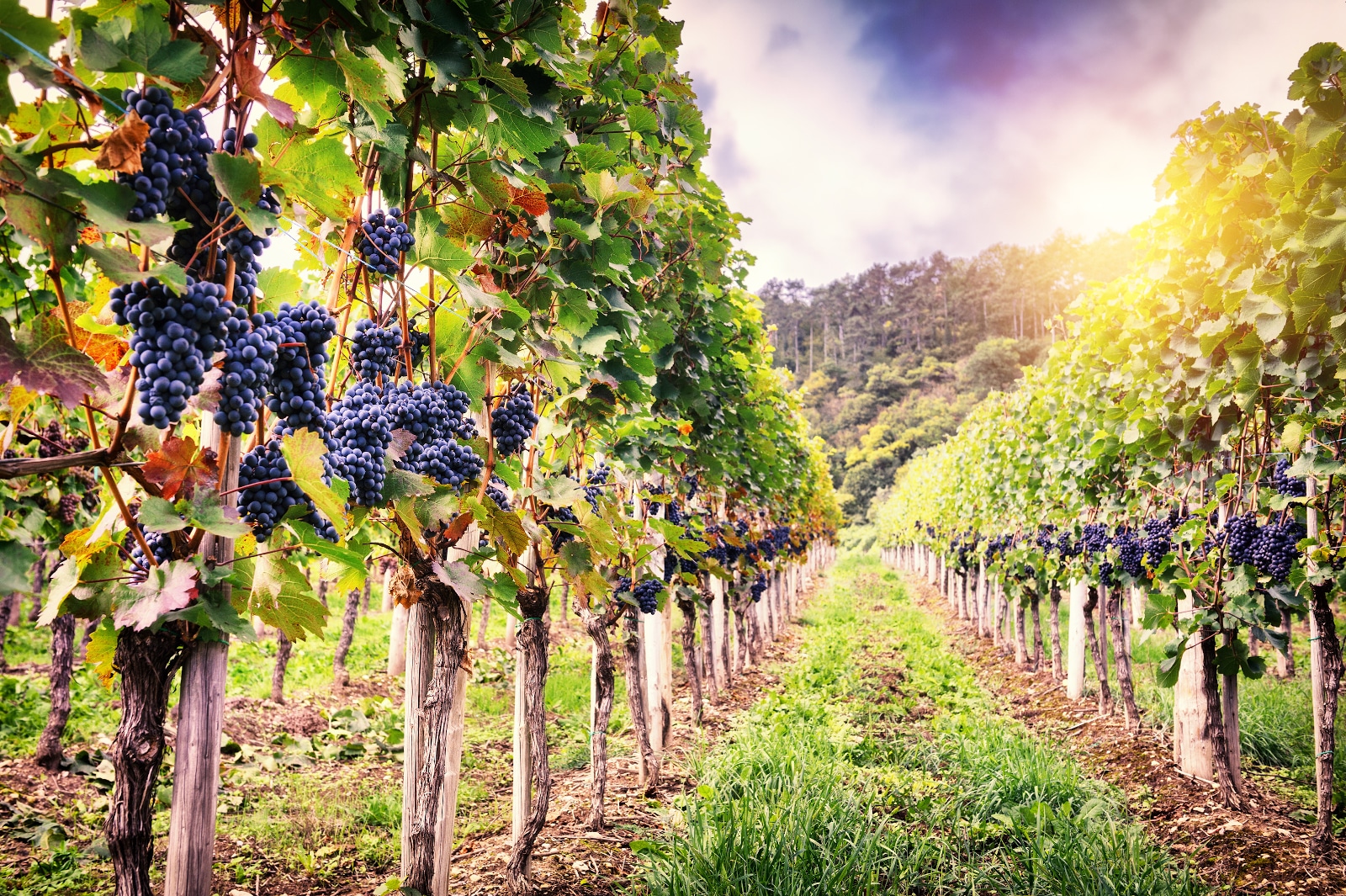
Grapevines can produce grapes for 50 to 100 years but their quality and quantity decrease over time. Therefore, most vintners will plant new vines sooner, about once in two decades.
Where Do Wine Grapes Grow Best?
Wine grapes need warm temperatures. Somewhere between 30 and 50 degrees, latitudes in the southern and northern hemispheres create the perfect summer climate for grapes to grow. Additionally, a rainy winter will keep the climate from getting too cold, as freezing temperatures spoil the fruits.
What Parts of the World Produce the Best Wine Grapes?
Only a few regions in the world offer the ideal climate along with the right type of easy-to-drain soil. This is why some wine varieties are more prized and expensive than others. Here are a few countries and regions where certain varietals grow extremely well.
- Italy: Piedmont, Lombardy, Valle d’Aosta, etc.
- France: Bordeaux, Burgundy, Languedoc, Champagne, etc.
- United States: California, Oregon, Colorado, etc.
- Spain: La Rioja, Ribera del Duero, Andalusia, Catalonia, Galicia, etc.
How Do You Prepare the Soil for Grapes?
The soil preparation of grape farms goes through a number of steps.
- First, the soil’s condition is assessed so that the necessary adjustments can be made to get the desired pH and loamy texture of the soil.
- An ideal soil pH would be between 5.5 and 7 for growing the best wine grapes.
- If the soil has any deficiencies, they need to be adjusted before the vine is planted. Below are a few soil problems and their solutions.
- Sulfur is used to lower the pH.
- Dolomitic limestone is used to raise the pH.
- Epsom salts are added when the soil has low magnesium levels.
- Potassium sulfate is used to compensate for low potassium levels.
- Bone meal, superphosphate, or triple phosphate are used when phosphorus levels are low.
What Is the Best Fertilizer for Grapes?
Nitrogen-rich fertilizers are best because grapevines need a lot of nitrogen. Ingredients with nitrogen content that can be used as fertilizers are:
- Rabbit manure
- Cow manure
- Steer manure
- Poultry manure
- Urea
- Ammonium nitrate
- Ammonium sulfate
How Important Is It to Fertilize Grape Vines?
Grapevines will have deeply buried roots, so fertilizing isn’t exactly necessary. Fertilization is best done once in the second year of growth. Fertilizers may be added to balance the pH of the soil, to add nutrients, or to protect the plant from diseases.
How Is Fertilizer Applied and in What Quantity?
Of a 10-10-10 fertilizer, only ¼ is applied around the plant at a distance of about 4 feet. Sometimes when a plant is struggling, an additional pound of fertilizer is applied, as before, but about 8 feet away. The best time to fertilize is when the buds are beginning to emerge.
What Are the Common Pests Affecting Grapes?
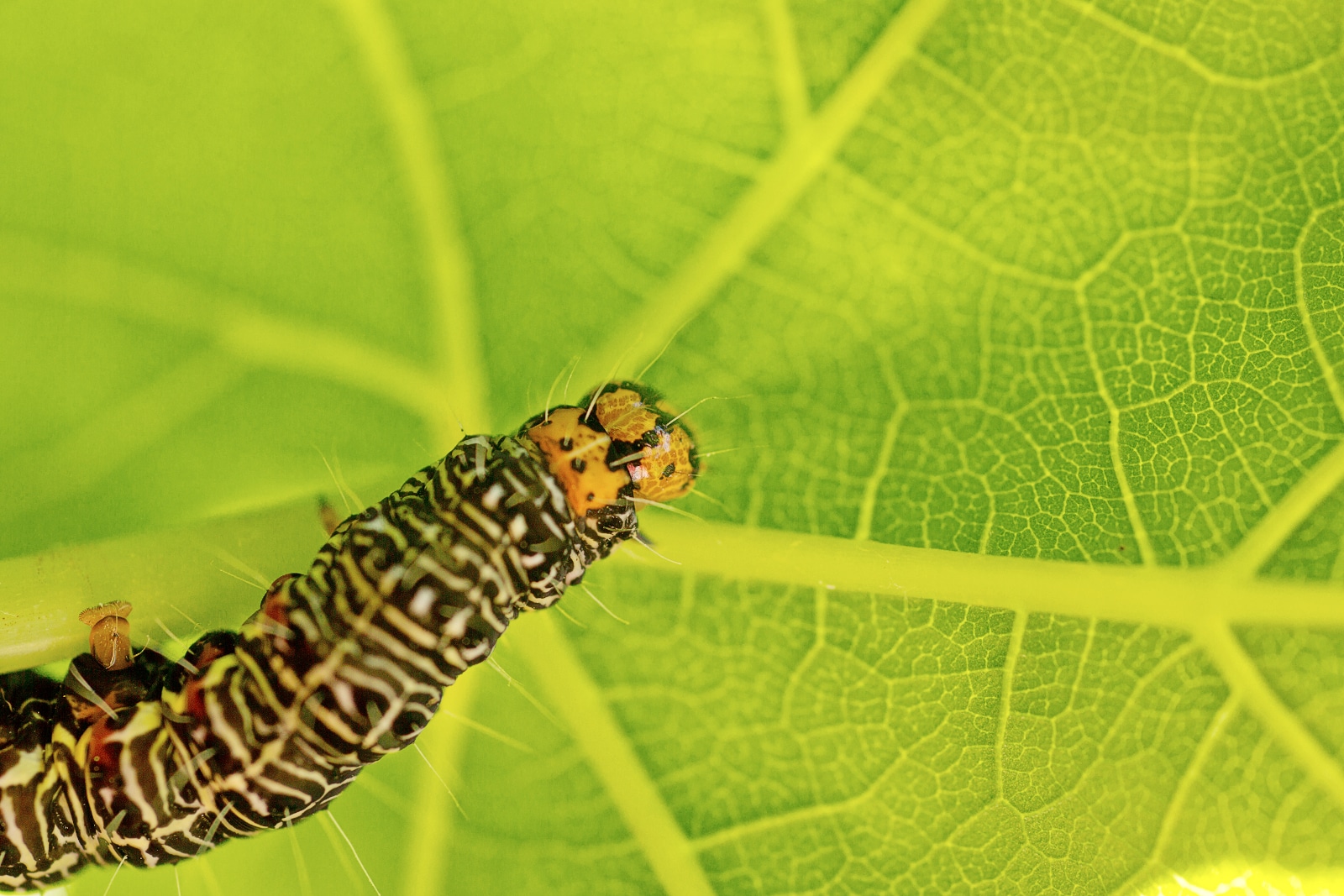
Grapevines are affected by various insects like butterflies, cicadas, moths, beetles, etc. Below are the most harmful and common ones.
Phylloxera vastatrix
Once this pest has affected the roots of a vine, the plant leaves remain stunted. There is no cure once the plant is infested; the only way to save vines is through a process of grafting.
European Grapevine Moth
The moth lays its eggs on the vines, eventually making its way to eating the leaves and fruits of the plant. The only precaution is using pheromones so the female moths stay away and the male moths are trapped.
Grape Berry Moth
Insecticides are most useful for reducing these moths. Once infected, the plants develop a webbing around them and fruits also appear shriveled.
Japanese Beetle
These beetles are most active in warm, sunny places, which makes grapevines a perfect treat for them. They are easy to spot, so vintners usually monitor the vineyards and use insecticides to ward them off.
What Diseases Affect Grapevines?
Some of the diseases that affect the vine are downy mildew, dead arm, esca, powdery mildew, grey mold, black rot, and fan leaf virus.
What Is Grafting?
Grafting is the process of artificial vegetative propagation. The tissue of a variety of grape is attached to the cut in the rootstock of another plant. Typically, the rootstock is of a resistant variety that isn’t affected by pests like phylloxera vastatrix.
What Month Do You Plant Grapes?
December to March.
Grapes are best planted in the winter or early spring. This is when the grapes and leaves have been removed or have fallen off. Vintners plant them during the dormant season so they can flower by the time the season ends. The timing is crucial because often vines won’t get fruits if the seasonal cycle is missed.
How Much Water Do Grapes Need per Day?
The amount of water required by growing vines is a lot more than that needed by a fully grown vine. The recommended amount is 12 inches of water per week during the growing season. This should be reduced once ‘veraison’ starts, after which only half of the amount is necessary.
Reducing the water is crucial in wine grapes since they are required to have more flavor than the table variety.
If the region receives even 1 inch of rainfall in a week, then there is no need to water the vines. It is best to water them early in the morning to avoid bug infestation.
How Do You Maintain Grapevines?
Growing grapevines is a long process. The three main elements are thinning, suckering, and defoliation.
Suckering
Sometimes a grapevine produces immature or abnormal shoots. These won’t allow the plant to grow fully, and thus, they need to be removed.
Doing this in the later stages would damage the vine too much, so suckering is done when the shoots first appear. According to the growth of the shoots, the number of shoots removed has to be balanced adequately. The entire process takes time and effort as it’s a manual process.
Defoliation
Also known as canopy management or leafing, defoliation is done a month or two prior to the harvest season. The purpose here is to provide the grapes with sunlight and aeration so they ripen evenly over the next few weeks.
Thinning
Thinning involves removing certain clusters or fruits of a plant to ensure that the remaining fruits grow completely. Without thinning, the plant may produce many fruits but none grow into full-bodied fruits.
Can Grapes Survive Winter?
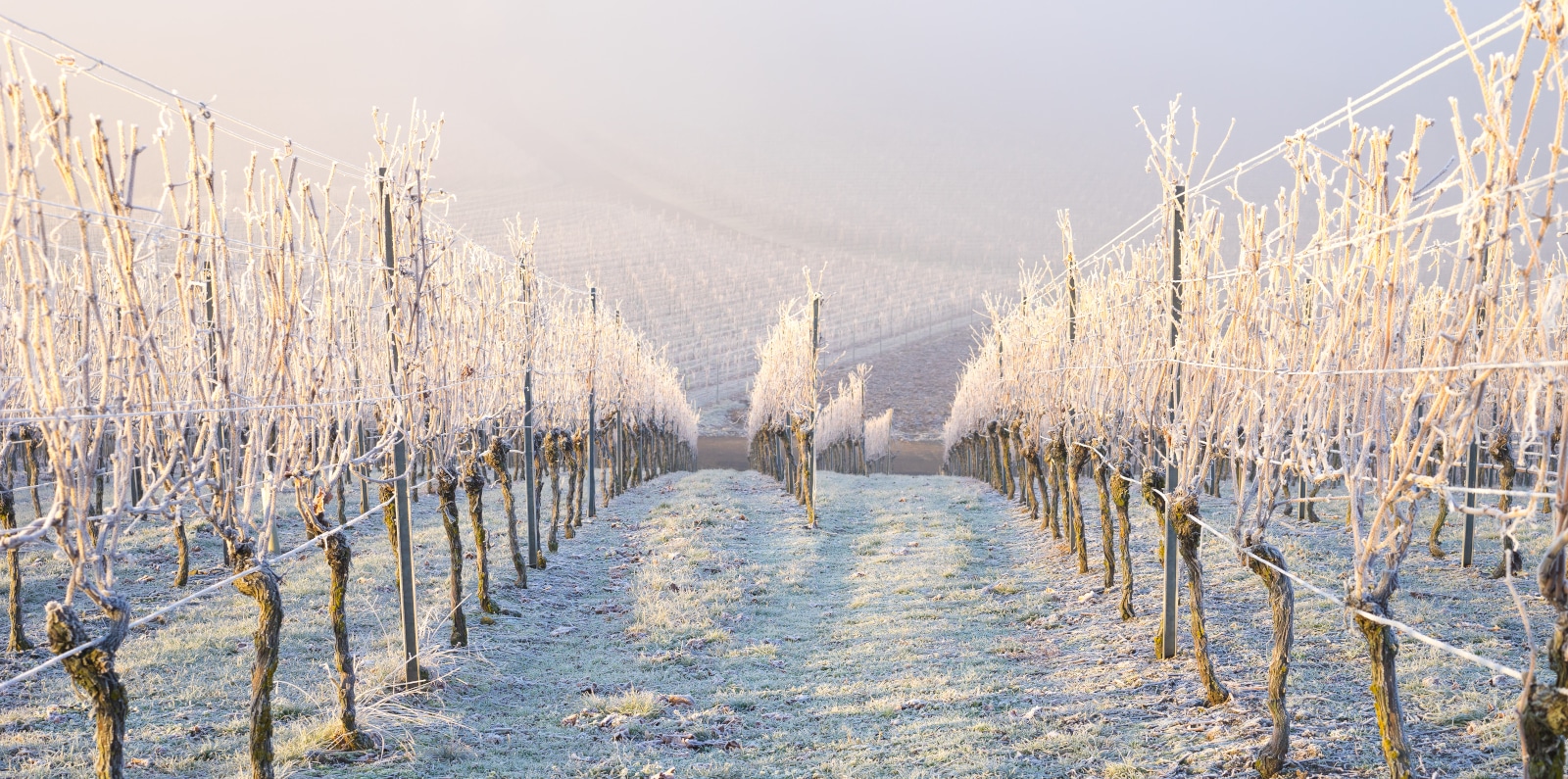
Only a few varieties of grapes can survive winter temperatures. Grapes grown in the United States are cold-resistant whereas European grapes love the warm weather more. Even when appearing to be dead, the vine sends up shoots once spring arrives and will bear fruit as normal.
How Many Grapes Will One Plant Produce?
A single vine properly maintained can last up to 40 to 50 years, and one plant can produce around 20 pounds of grapes per year. That means, in its entire lifetime, a healthy grapevine will be able to produce 800 to 1000 pounds of grapes.
Are Grapes Self-Pollinating?
Yes.
Most wine grape varieties are hermaphrodites. Meaning, they carry both the male and female reproductive parts.
How Much Space Do Grapes Need to Grow?
Grapevines need between 6 and 8 feet of space to have healthy growth. Spacing not only helps the vines to grow vertically but also gives them enough sunlight. Sunlight is important for the timely ripening of the grapes.
Water and nutrients from the soil are other factors that affect spacing. If the plant doesn’t receive enough of those, the vine bears uneven fruits.
What Month Do You Prune Grapes?
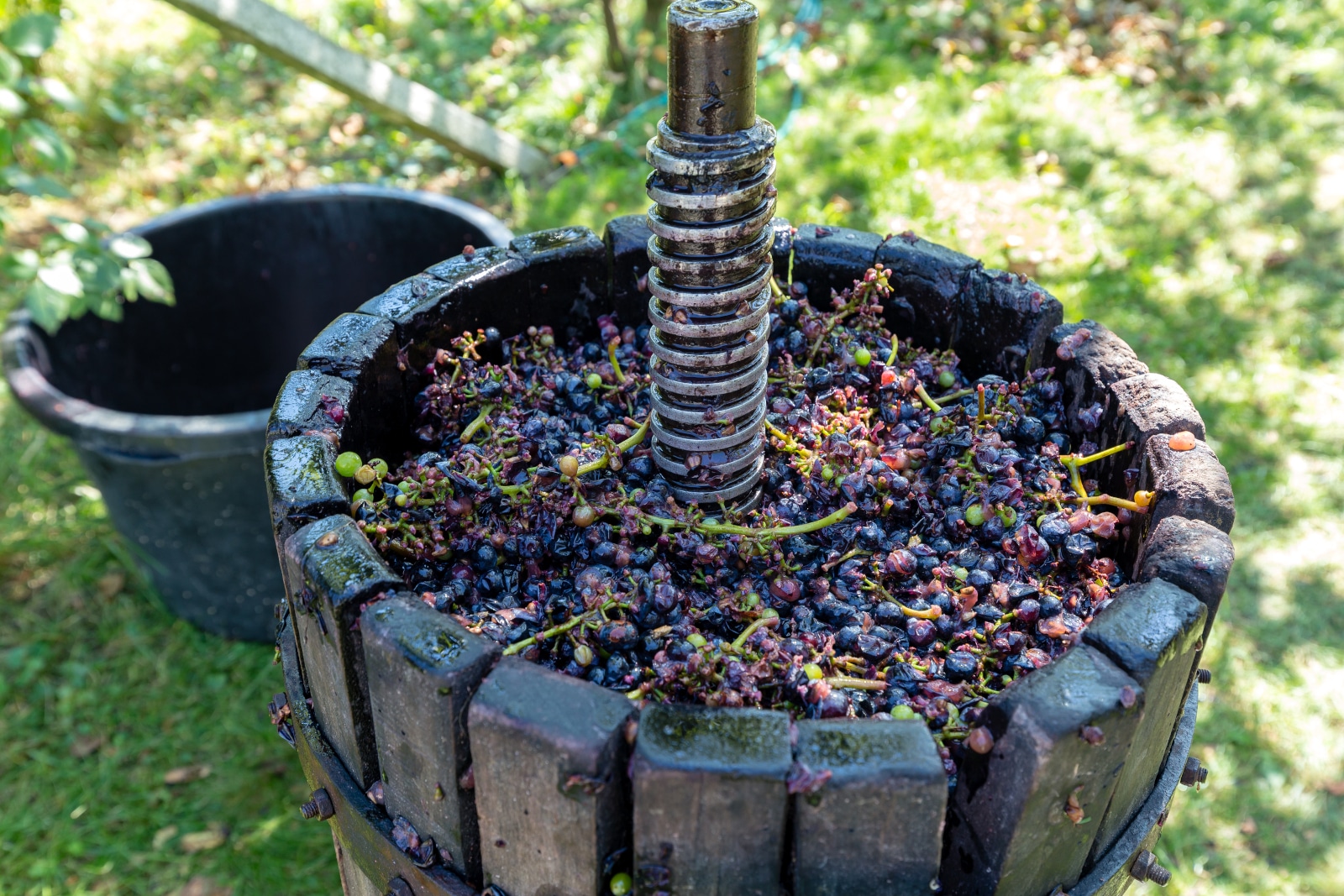
Pruning is the process of cutting the vines to ensure the plant grows with equal leaves and fruits. It is done in winter when the plant has dropped all the leaves and only the vines remain. Some fresh branches are left even after pruning so the plant can grow back on schedule. If this isn’t done, the vine will need to grow back to its full length, and by the time the fruits appear, it might be too late in the season.
What Is Veraison?
In late summer, the grapes that are green and raw start to turn red, purple, and golden. That’s when you know the last stage of harvesting is arriving soon. This is also known as ‘veraison’.
When Are Grapes Ready to Harvest?
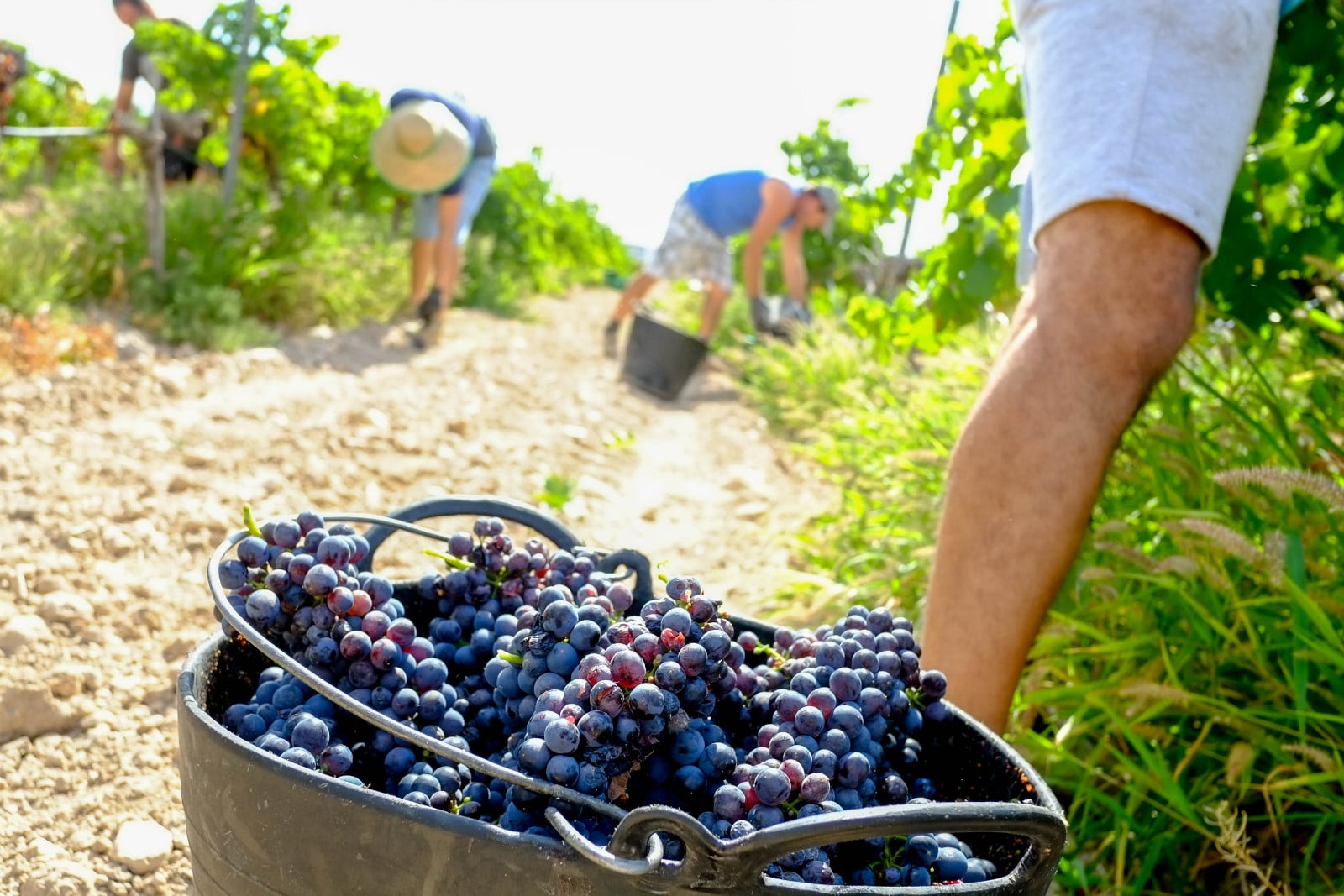
The period of harvest depends on what time the fruits mature, but it generally happens around September. Once ‘veraison’ starts, it takes a month or two until the grapes are ready to be picked, by hand or by machines. Then they are ready to be moved to the process of winemaking.
To Conclude
Although very technical, growing a grapevine in itself is an easy job. For someone who loves exploring wine, this may just be the best job in the world. Once you see how timely defoliation can produce high-quality juicy red berries, you too will be fascinated.
The process doesn’t end once the harvest is done either. Once the grapes are in their peak condition, the next main task begins. This is to capture the flavors, colors, and aromas of the grapes, often the result of many, many years of hard work. It will be more days and months before the wine is ready to be enjoyed by connoisseurs. It’s all worth it in the end — to see a vine transform from a fruit to a delicious glass of red or white wine.