What Is Petit Verdot?
Petit Verdot is a thick-skinned red grape varietal that is small and highly valued for its color depth. Commonly used as a red blender in the traditional blends of Bordeaux, Petit Verdot plantings have started to appear in many regions outside France, such as Southern Europe, Australia, and the Americas.
Historically, the grape used to be very important for the Bordeaux wineries of the prestigious Medoc in the 1700s. Unfortunately, by the end of the 19th century, a large quantity of Petit Verdot plantings had to be removed from the Left Bank due to the attack of the phylloxera insect. The remaining Petit Verdot vines did not thrive for long before the frost of 1956 obliterated them.
But Petit Verdot found its way back to the wine world when in the 1970s when it was cultivated in the United States and particularly California. Several Petit Verdot vines came from earlier plantings grown in Mt. Veeder within the Napa Valley and next to the Macayamas Mountains.
The Petit Verdot characteristics consist of the deep purple-black appearance of the wine and the robust tannin levels. The high levels of anthocyanins are found in Petit Verdot’s thick skins and have been attributed with being good for your health, while the green tannins result from a high ratio of seeds and skin to juice.
What Color Is Petit Verdot?
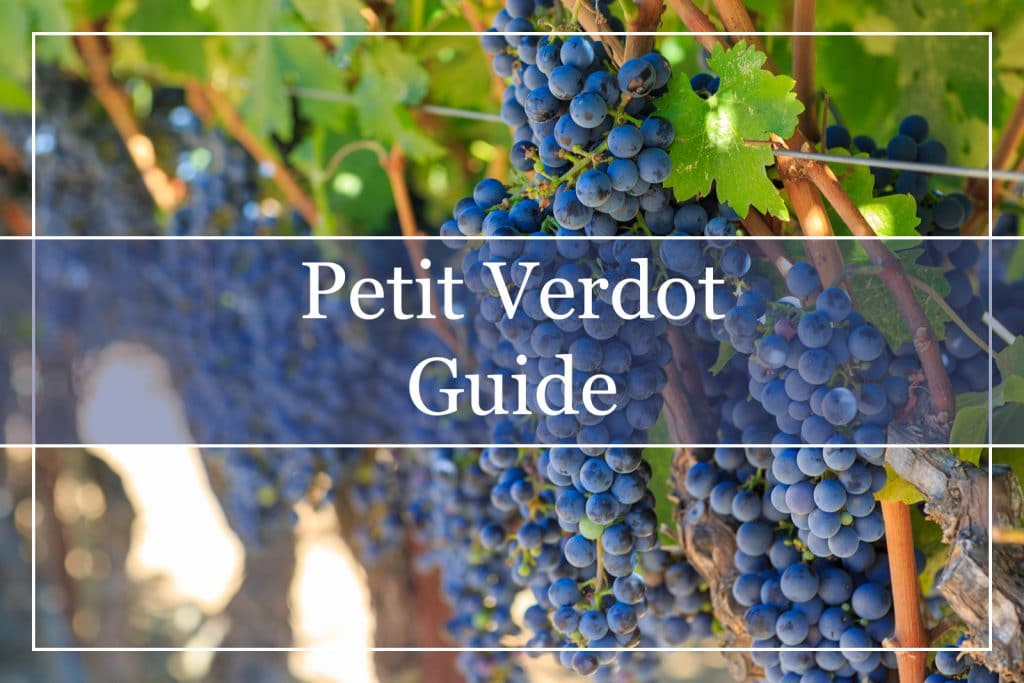
As mentioned, the Petit Verdot vine produces small bunches of thick-skinned grapes with a violet-black hue. Petit Verdot is a grape from the Vitis vinifera variety of the Eurasian grape species. In fact, most grapes used in wine production are family members of the Vitis vinifera. Until véraison and berry ripening, the Petit Verdot grapes are hard and thick to the touch. Véraison period, however, signals the point at which the grapes begin to ripen. At this point, the grape’s skin changes color, turning first red, then purple.
Between véraison and harvest, grapes swell and fill with water. During ripening, sugar levels rise, and acid levels drop. Color pigments and flavor components accumulate. Warm and sunny conditions are ideal, while mild water stress inhibits soot growth, encouraging grape ripening. It is then that the Petit Verdot color exhibits dense, purple-black tones and violet, indigo reflections, which is a beautiful spectacle!
In cool seasons, however, the Petit Verdot vines have bunches of unripened, green berries. The reason for this is that the grape inclines to under-ripeness. So, not every Petit Verdot planting shows an assortment of violet hues.
What Does Petit Verdot Mean?
Petit Verdot translates to “little green” or “little greenling” in French due to the trouble with ripening. The berry fails to develop without sufficient sunlight during flowering. Therefore, Petit means small and Verdot green. As a fun fact, its cousin is Gros Verdot translates into large greenling due to its larger fruit berries.
How to Pronounce Petit Verdot?
The Petit Verdot pronunciation might be a matter of concern for non-native French speakers. But it is vital to learn how to pronounce the name of this wine correctly. Wine enthusiasts need to know how to pronounce it to express their wine knowledge confidently when participating in wine-tasting symposiums or wine competitions.
There are many helpful audio and video examples of how to produce Petit Verdot online. There are four syllables in the word, and the emphasis falls on the second and fourth syllables. Here is what it looks like phonetically:
peh-tee-vur-doe
Where Does Petit Verdot Come From?
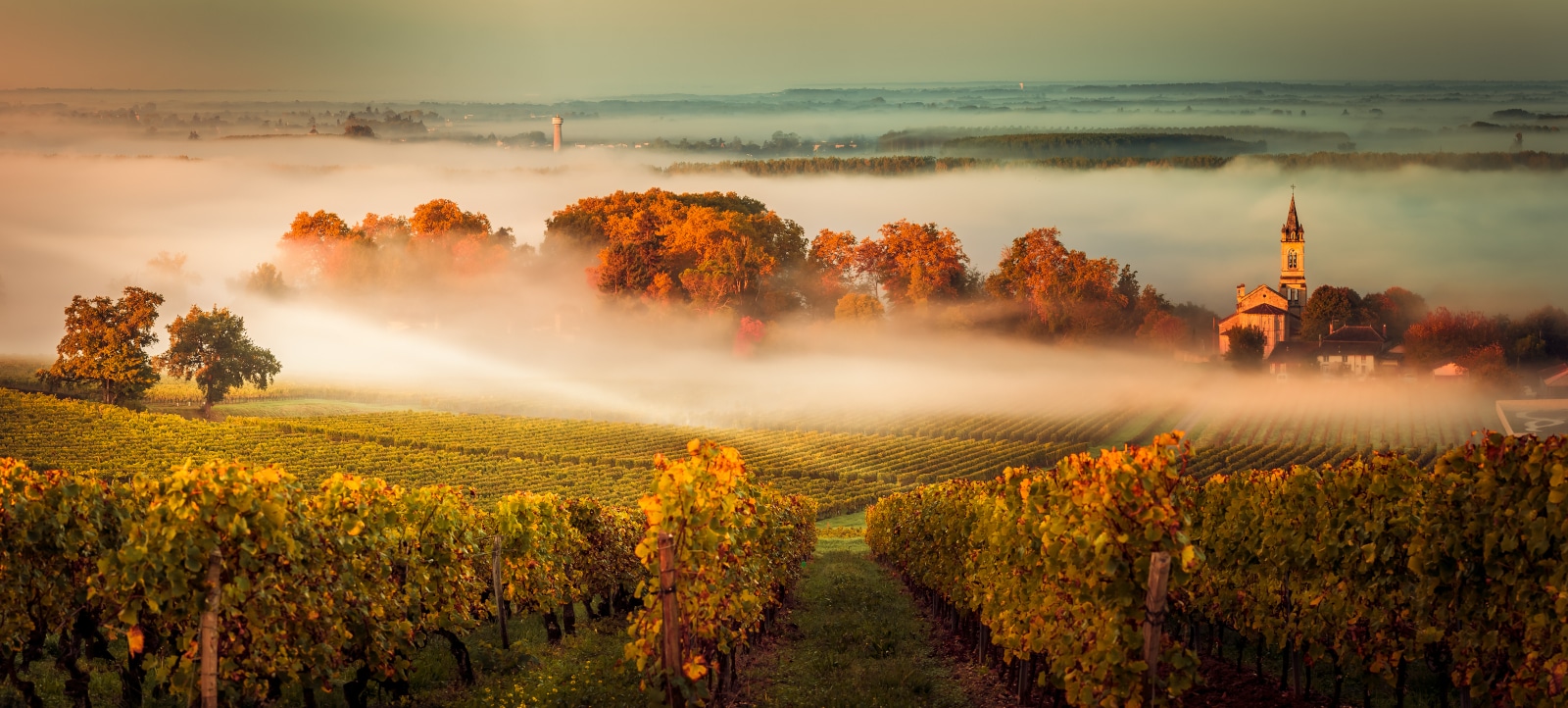
Petit Verdot gained fame as one of the four key blending grape varieties for making Bordeaux wine. The other three are Cabernet Sauvignon, Cabernet Franc, and Merlot. It was planted in Medoc on the Left Bank of Bordeaux. However, it is challenging to reach full ripeness due to the climatic conditions of the region.
That said, the well-drained, warm, and gravel-based soils of the Left Bank contribute to the grape’s ripening. But, if the weather conditions are not ideal during the flowering season, the fruit will not ripe fully, displaying unripe, green flavors and color.
But one of the fascinating facts about Petit Verdot is that it can compose up to 40% of the blend of a Bordeaux Superieur. That indicates how high-quality grape can be if it grows in ideal conditions.
The grape’s origins seem unclear. Some theories suggest that it is a crossing between Duras and Tressot grape varieties. Also, Petit Verdot was among the first planted varieties in Bordeaux. One theory suggests that Ancient Romans planted the seed and cultivated the earliest Petit Verdot vines.
Outside France, Petite Verdot is grown in many different winemaking regions, including Australia, Italy, the Iberian Peninsula, and the Americas. In the United States, Petit Verdot produces very high-quality wines. It is mainly a blending component, but single-varietal Petit Verdot wines are not unknown, too. On that note, Washington and California produce 100% Petit Verdot examples.
In Australia, Petit Verdot thrives in the warmer climates of the Australian Barossa Valley, McLaren Vale, and Langhorne Creek. Likewise, in Chile, Petit Verdot is extensively produced in Rapel Valley and Colchagua Valley as a barrel-fermented and bottle-aged blend with Cabernet Sauvignon. Petit Verdot Grand Reservas are common in Chile, too. Finally, in Argentina, a group of winemakers has been exploring the grape’s potential over the last two decades. They have managed to take advantage of Pinot Verdot’s perfect ripening point to add complexity and structure to Malbec blends.
What Kind of Wine Is Petit Verdot?
Petit Verdot plays a secondary role in the Bordeaux blends, and it is used mainly to add color, tannin, and spicy notes. As a single-varietal, however, it is heavyweight and full-bodied. It is rich in color, tannins, and acidity. Petit Verdot is bold, so serve it with hearty meals such as Thanksgiving or at a barbeque party. Let it warm first before serving.
Is Petit Verdot Dry or Sweet?
Petit Verdot is a bone-dry red wine. As we know, terroir plays the most crucial role in forming the wine’s character. If the climatic conditions are not ideal, Petit Verdot cannot reach full ripening, resulting in unpleasant green flavors and tannins, as well as an uninspiring color. The terroir and the winemaker’s skills are pivotal to shaping Petit Verdot’s profile. As such, more experienced winemakers can craft some of the most complex and fruit-driven Pinot Verdot wines.
What Does Petit Verdot Taste Like?
The Petit Verdot tasting notes highlight the distinctiveness and richness of the flavors. Delicate floral fragrances, such as violet, lavender, and lilac, determine the Petit Verdot aroma. Also, hints of sage and dried herbs emerge, after a few swirls, before joining the scents of blackberry and raspberry.
In the mouth, the Petit Verdot taste consists of cherry, plum, and mocha notes. Petit Verdot producers might age the wine to soften it and add flavors of hazelnut and vanilla spice. Smoke and leather touches, therefore, are a common sight in Petit Verdot wines, too. So, the wine is full-bodied and structured. In addition, intense tannins are part of the nature of Petit Verdot, and the medium acidity provides freshness and crispiness. The finish is mostly straightforward, with lingering black and red berry flavors.
The Petit Verdot flavor profile is complicated and layered, with a vast range of floral, fruit, and secondary, nutty tones. Perfect for wine enthusiasts looking for red wine with full texture and a high, bold mouthfeel.
How to Serve Petit Verdot?
Petit Verdot is best served after aging for at least five years when the flavors are concentrated and have developed juiciness.
Petit Verdot should be served at room temperature. The best temperature to serve Petit Verdot is 63°F (17°C). In this way, the flavors are enhanced, as spicy and nutty notes find their way into the glass. If medium-to-full-bodied reds reach higher temperatures than recommended, they decrease in their freshness. So, their flavors become muddled, giving completely uninspiring wines.
Pouring Petit Verdot into regular larger-sized red wine glasses is ideal. The large surface of the glass allows the air to come into contact with the wine surface, encouraging it to release its elegant fragrances and intense flavors. Also, decanting Petit Verdot is recommended, as it benefits from the additional aeration, unlocking freshness.
How to Bottle-Age Petit Verdot?
Due to the high alcohol and strong tannins, Petit Verdot can withstand maturation successfully. As it ages, it will develop additional complexity and depth. The longer it ages, the more the robust tannins soften.
Maturing a bottle of Petit Verdot is not challenging. All you need to do is find a calm environment, like a cellar, with a portion of humidity and temperatures that do not fluctuate (sixty degrees Fahrenheit or ten to fifteen degrees Celsius). Direct sunlight or artificial light must be avoided at all costs, as the wine may suffer damage and end up faulty.
Direct sunlight or artificial light should be kept at bay, as they may cause irreversible damage. Intense exposure to light rearranges the chemical compounds found in wine, like oxygen and temperature, and causes wine faults. That means that the wine ages prematurely, and its aromas, flavors, and even color change for the worse. The resulting wine is known as light-struck.
The storage environment should be odor-free when storing the wine bottle since the cork allows a small amount of oxygen to come inside to maintain the liquid fresh. That oxygen may negatively affect the wine structure and malfunction it.
How Long Should Petit Verdot Breathe
Petit Verdot is not a light red wine. On the contrary, it is one of the fullest and has high acidity too. So, decanting it is essential. Around two hours before guests arrive, uncork the bottle and pour the wine into a decanter. Then, let it rest uninterrupted.
What Food to Pair With Petit Verdot
The Petit Verdot food pairing is simple because this wine matches perfectly with most types of meat, such as lamb, pork, or beef. It is fantastic for burgers, roast pork, or barbequed pork and beef. An assortment of T-bone or Tomahawk steaks, some pork sausages, and chicken wings on the grill is an ideal partner to a Petit Verdot wine. The wine pairs very well with lamb-based dishes, too. For instance, lamb stew brings out the flavors of the wine.
Moreover, Petit Verdot could be served with Mexican courses, such as Mole, Tacos, Enchiladas, or Adobo. On the side, marinated Portobello mushrooms and grilled seasonal vegetables with a balsamic vinegar glaze complement the wine’s floral aromas and blend with the mocha touches. Kidney beans, eggplant, nuts, and olives are also suitable to pair with Petit Verdot for those who prefer vegetable-based dishes.

Petit Verdot Cheese Pairing
This red wine pairs nicely with aged and smoked cheeses. Try to drink alongside Gruyère, Gouda, cheddar, Provolone, Sulguni, or Scamorza. Additionally, serve Petit Verdot with Grana Padano or Parmigiano-Reggiano. The cheese can form part of a pizza or hearty pasta or be served on a cheeseboard. Everything is up to you, your preferences, and your appetite!
How Much Alcohol Does Petit Verdot Have?
Petit Verdot has high alcohol levels for a dry red wine similar to that of low-alcohol fortified wine. The Petit Verdot alcohol content is in the range of 13.5 to 14.5% ABV. Before purchasing and uncorking the bottle, check the label to be more precise, and remember to drink with moderation and responsibly.
How Many Calories Are There in Petit Verdot?
Bear in mind that alcohol is responsible for increasing calories in wines. As such, the Petit Verdot calories are high, considering the high alcohol levels of the wine. The carbs in the Petit Verdot are 2 to 9 per glass, while the calories are usually between 123 and 129 per serving. Therefore, Petit Verdot might not be the perfect wine choice for consumers looking to decrease their calorie intake or on a low-carb diet.
Conclusion
Petit Verdot might be known for a blending component in the Bordeaux blends, but that does not mean that there are not phenomenal single-varietal Petit Verdot wines to enjoy, too. With its flavors of black plum and cherries and notes of violet, Petit Verdot is a vivid example of dedicated and passionate winemaking and how full-bodied red wines should express on the palate. After purchasing it, do let it age for five years. Then, uncork it and celebrate Petit Verdot’s extra plush and round mouthfeel with your friends, family, or at a formal event when serving a fuller red is appropriate.