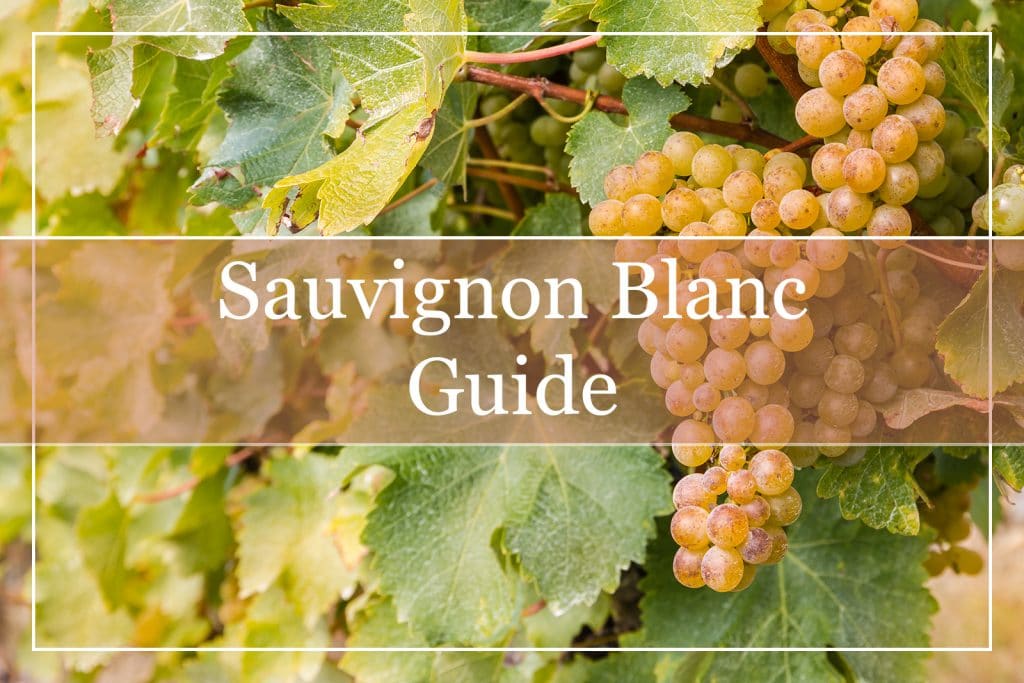
What Is Sauvignon Blanc?
This wine has such distinguishing features that it is easy for even the most uninformed wine lover to identify. The Sauvignon Blanc characteristics of being a light-bodied wine with flavors of grass, melon, grapefruit, peach, guava, and subtle hints of butter are loved the world over.
Sauvignon Blanc Is Always Crisp And Fresh
Sauvignon Blanc differs from other white wines like Chardonnay because of its crisp, dry texture and green, herbal flavors. Although depending on where it hails from, it can display a considerable range of styles and delicate hints of flavor that reflects where it has been grown.
Southern France is the birthplace of this “Wild White” grape, which is genetically linked to Traminer. It is now the most common form of the grape planted globally because of its delicious taste and versatility.
What Color Is Sauvignon Blanc?
Sauvignon Blanc’s color is recognizable by its greenish to a straw yellow hue. In the glass, the color of Sauvignon Blanc is neither deep nor highlighted, but it is certainly different from the average white wines that we are familiar with. Before taking a sip, it is worth watching the light dancing about in the luminous green hues of this wine.
What Does Sauvignon Blanc Mean?
The name “sauvignon” is derived from two French words: Sauvage (“wild”) and Vigne (“vine”). Sauvignon Blanc is a vigorous (wild) growing plant, and the shape of its leaves is similar to those of wild grapevines that abound in the region.
A Wild Child by Nature
“Wild White” is the exotic meaning of the name of this grape in English. The light green-skinned grape is native to southwest France. “Sauvage” meaning wild and “Blanc” meaning white in French, give us the name Sauvignon Blanc. This white wine has come to us through the remarkable wine-making skills of vintners from Bordeaux and the Loire Valley in France.
How to Pronounce Sauvignon Blanc?
Because of its worldwide popularity, this is one wine name that it is worth pronouncing correctly. Wine snobs will not forgive you for the mispronunciation of this one!
sow·vuh·nyon blongk or sow-we-new-blonde
The “c” in French is silent. The stressed syllables are in bold.
There are many helpful audios and videos online to assist you in getting the Sauvignon Blanc pronunciation correct. You will then be able to order a glass or a bottle of this divine wine with confidence, and sip with pleasure!
Where Does Sauvignon Blanc Come From?
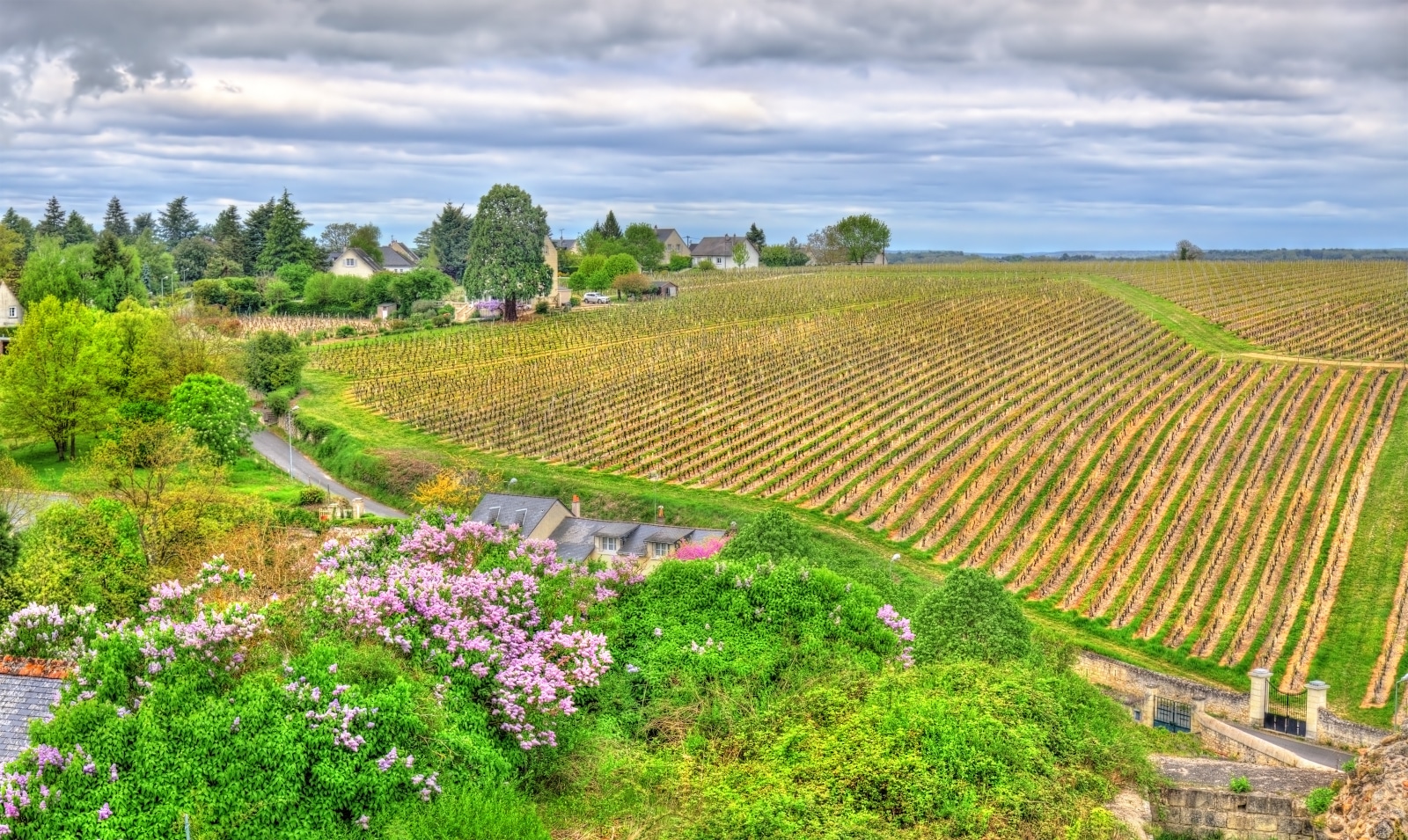
In the distant mists of time, as far back as the 1500s, this green-skinned grape was known by farmers in the Loire Valley of France. It was known as “fiers”, from which we get the idea of wildness associated with this grape.
Originating From a Grand Family Tree
Originating from the ancient “Savagnin” grape, it is now known that Sauvignon Blanc is related to Grüner, Chenin Blanc, and Verdelho as well as many other grape varietals from southwest France. The grape was taken to other regions, and in Bordeaux, it mutated with Cabernet Franc to make the famous Cabernet Sauvignon varietal. Thanks to DNA profiling, it has been proven that a white grape can be the parent of a red grape!
How Did Sauvignon Blanc Arrive in America?
Thanks to winemaker, Charles Wetmore, cuttings of Sauvignon Blanc were taken from the prestigious Château d’Yquem in Bordeaux during the 19th century and planted in the Livermore Valley, California. Those original cuttings of Sauvignon Blanc were the beginning of the numerous vineyards around California, especially in the Napa Valley.
It is true that some of the Sauvignon Blanc wines that were originally produced in California were inconsistent in flavor and quality. However, it has to be said, that there is now a contemporary, better quality of Sauvignon Blanc being produced that is being hailed as “Super Sauvignons”, and the future of this white wine varietal is looking promising.
Sauvignon Blanc Has Gone Global!
With outstanding quality Sauvignon Blanc being produced in many countries around the world, South Africa, Australia, and New Zealand’s Marlborough region to name a few, it seems that the popularity of this white wine just goes from strength to strength.
What Kind of Wine Is Sauvignon Blanc?
Sauvignon Blanc is a white wine the boasts the principal fruity flavors of grass, green apples, lime, peach, and passion fruit. The unique herbal flavors of Sauvignon Blanc, which are caused by the aromatic compounds called pyrazines, elevate this white wine into something special. You will notice hints of bell peppers, jalapeño, and gooseberries, and you will know that this grape bears secrets that it shares only with the winemaker. The timing of the grape harvest, the ripeness of the grapes, and how the wine is made, are carefully determined to balance all the flavors and create a zesty, floral, refreshing taste that will make your mouth water for more.
Is Sauvignon Blanc Dry or Sweet?
Sauvignon Blanc is distinguishable by its crisp, dry profile. It is usually produced as a dry white wine, however, some adventurous winemakers have experimented with using this grape to make sparkling wine. In the famous Marlborough wineries of New Zealand, winemakers have been known to leave a tiny quantity of residual sugar which adds a slightly sweet richness to the flavor.
What Does Sauvignon Blanc Taste Like?
Sauvignon Blanc Tasting Notes
Sauvignon Blanc has an exclusive taste that is easily discernible from other white wines. It takes “crispness” to new heights, and when served ice cold, it is a heavenly, refreshing drink. The intense, yet pleasant, acidity levels clean the palate, and the distinctive Sauvignon Blanc herbal flavors come from pyrazine, a natural chemical compound found in this grape varietal.
Sauvignon Blanc Flavor Profile
There will be subtle differences in the flavors of the wine depending on where the vineyards are located. With plentiful sunshine in warmer climates, the grapes ripen for longer on the vine and the fruity flavors of grapefruit, passion fruit and guava have time to develop.
Climate and Terroir Bring Subtle Differences
In cooler climates, the more herbaceous Sauvignon Blanc aroma and flavor predominate.
As with all grapes, the terroir plays a vital part in the development of flavors. The characteristics of the soil will determine whether the wine has a mineral backdrop with flinty, earthy, smoky, or a lighter texture.
Sauvignon Blanc Winemaking Techniques
Usually, Sauvignon Blanc is aged in stainless steel tanks and the youthful wine is bottled and ready to drink. The exception to this rule the superior Sauvignon Blancs from Pessac-Léognan in Bordeaux, where it is fermented and aged in French oak barrels.
How to Serve Sauvignon Blanc?
The ideal temperature to serve Sauvignon Blanc is well-chilled. Without the benefit of chilling, the alcohol taste in the wine will be accentuated and will be unpleasant on the palate. The normally, refreshing acidity will be dulled and the usual spark of this white wine will be missing. It is worth taking the trouble to about 50–55°F (12 Celsius). It will not require more than two hours in the fridge to reach the perfect temperature.
Always keep the wine in an ice bucket once opened, and in the unlikely event that you do not finish the bottle, re-cork and refrigerate. It will stay fresh for up to four days if stored in this way before the flavors start to deteriorate because of oxidation. If you are unhappy with drinking the Sauvignon Blanc after re-opening, it will still be fine for cooking with.
Should Sauvignon Blanc Be Kept In The Cellar?
For longer-term storage, be sure to keep your bottles of Sauvignon Blanc in a cool, dark place. Most connoisseurs advocate drinking Sauvignon Blanc while it is still young and fresh, so try not to forget about the bottles down in the cellar for too long. And, in my opinion, there should always be a couple of bottles of this deliciously refreshing white wine chilling in the fridge – especially in the summertime!
How Long Should Sauvignon Blanc Breathe?
Sauvignon Blanc that has been bought for general consumption, and not costing an arm and a leg, will probably not show any significant improvement from aeration. Although, because of its high acidity, it might benefit from a little air.
Decant or Don’t – That’s up to You
Unless you have a special decanter that you want to show off, you could just aerate the wine by pouring it from the bottle with a little extra height above the glass. And, serve your Sauvignon Blanc in a beautiful stemmed white wine glass. Be careful not to spill a drop!
What Food to Pair With Sauvignon Blanc?
I am hard-pressed to think of any type of food that would not be suitable to pair with a chilled glass of Sauvignon Blanc. With its high acidity and refreshing flavors, it can be paired with anything from aperitifs to desserts.
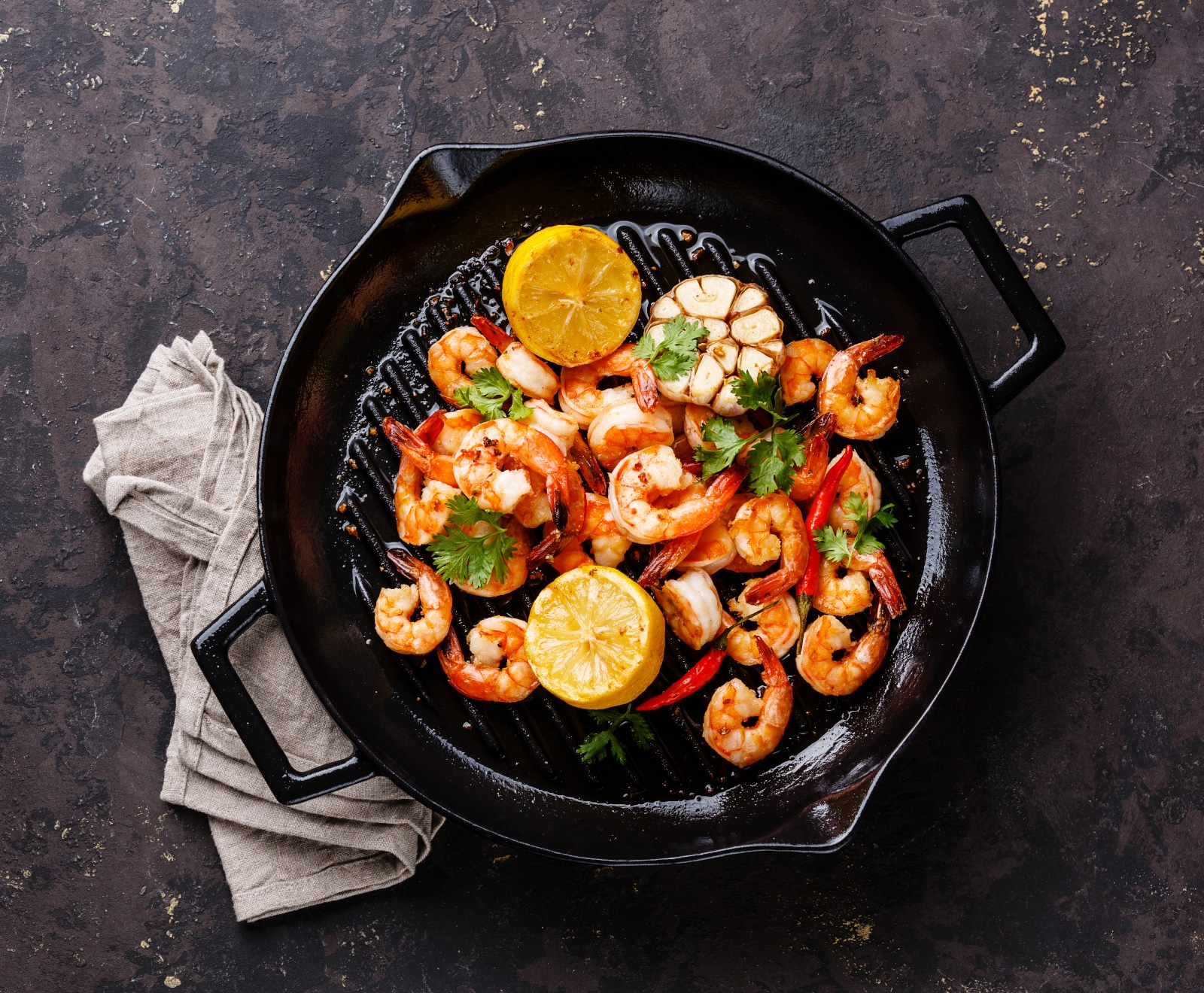
Sauvignon Blanc Food Pairing
Due to the differences in the climate and terroir of Sauvignon Blanc vineyards around the world, some may be even better suited to certain types of local cuisine. For instance, the Loire Valley Sancerre has light mineral flavors and pairs perfectly with seafood, particularly white fish and shellfish.
On the other hand, Sauvignon Blancs from New Zealand may have more herbaceous flavors and you might prefer to drink those with salads, herbs, or vegetables. It is important to get to know the delicate nuances in flavor, and then your food pairing will be perfect.
A Perfect “Go-To” White Wine
Generally, I enjoy this white wine with grilled meat on the barbeque, grilled vegetables like asparagus and beetroot, as well as chicken, lamb, and pork. Meats served in citrus-based sauces are particularly delicious with crisp Sauvignon Blanc, and Asian cuisine comes to life when followed by a sip of this wine.
It is also easy to cook with Sauvignon Blanc as it will make a bland sauce dance with flavor when given a splash.
Sauvignon Blanc Cheese Pairing
Cheese and wine – who can resist? This pairing has been made for centuries because the properties of each partner perfectly complement the other. Wine and Sauvignon Blanc in particular have the acidity and astringency to cut through the creamy or pungent flavors of cheese.
A Classic – Sauvignon Blanc With Goat’s Cheese
Sauvignon Blanc is renowned for being delicious with goat’s cheese and the reason is pretty obvious. Goat’s cheese is sharp and earthy so the citrusy notes in Sauvignon Blanc reveal the nutty, herbal taste of this cheese that might otherwise have stayed hidden. Goat’s cheese may tend to have a heavy texture, and the acidity of this white wine is perfect for cutting through the creaminess and clearing the palate. As goat’s cheese is usually found in Greek salads and the famous Spanakopita, for example, we know that it is going to be a delicious pairing.
Artisanal cheeses are wonderful as “posh grub” when served on a cheese board accompanied by Sauvignon Blanc white wine. But for every day nibbling, this wine will do justice to the flavors of common household cheeses like Cheddar, Gouda, Monterey Jack, Parmesan, and almost all alpine-type cheeses.
How Much Alcohol Does Sauvignon Blanc Have?
The Sauvignon Blanc alcohol content is relatively high at between 12.5–14% alcohol by volume. The location of the vineyards and the climate found there will affect the alcohol content. This is also true of the winemaking methods employed. Check the label on the bottle for more information.
How Many Calories Are There in Sauvignon Blanc?
After pressing, the Sauvignon Blanc grapes are fermented with yeast. This causes the conversion of the sugar in the grape must to alcohol. If all the sugar is converted, a very dry Sauvignon Blanc is created. As I mentioned, some winemakers, particularly in New Zealand, prefer to leave a little residual sugar in the wine to increase the richness and sweetness. However, it is worth remembering that even if all the sugar has been removed, the wine will still be calorific because alcohol has calories.
So, a typical 5-ounce serving of Sauvignon Blanc will contain about 120 calories. A 750 ml bottle, therefore, contains around 620 calories. The carbs in Sauvignon Blanc usually fall in the range of between zero and four grams of carbohydrates per serving.
Conclusion
You would not have to be a genius to work out that Sauvignon Blanc is my personal favorite white wine. Truth be told, I have yet to meet one that I did not get on with! And it is clear from the data that I am not alone in having this preference. In the world of white wine, Sauvignon Blanc reigns supreme for many reasons.
For starters, it is versatile, delicious, and refreshing. It has been adopted by winemakers in many countries around the world because it will grow in cool or warm climates and brings its own, unique flavors to every bottle.
If you are looking for a safe bet, a wine that is a people-pleaser, then look no further than a bottle of Sauvignon Blanc!
Perfect In so Many Ways
Sauvignon Blanc pairs beautifully with many types of food, cuisines, and tastes. It’s perfect to drink on its own on a sunny day, and it could even turn a dull day into a perfect day. Guests will be delighted to be served a glass of this chilled wine on any occasion, whether it be formal or informal. In other words, this “Wild Child” has grown up to be a gracious, cosmopolitan celebrity that is in demand everywhere.