What Is Nebbiolo?
Nebbiolo wines are produced from the Nebbiolo grapes grown in the Piedmont region of northwestern Italy. The Nebbiolo characteristics are easily discerned because they have a unique scent, very strong tannins, and high acidity. Another characteristic is the inclination for its color to fade over time.
Pernickety Grapes From Piedmont!
Nebbiolo grapes are notoriously difficult to grow, but the end product is a wonderful reward for all the hard work and patience that are required to produce a bottle of this red wine. The strong personality of the wine – namely its high tannins and acidity, takes years in the cellar to tame its wildness and create a drinkable, delicious red wine.
Very Special Growing Conditions Are Required
Nebbiolo grapes are very fussy about the terroir and growing conditions that they will tolerate. They take their time to go from the budding stage to maturity and are the last grapes to be harvested. This requires constant attention from the growers to ensure that the vines are kept in tip-top condition right to the end. These grapes require masses of sunshine to reach maximum ripeness, so the vineyards are situated on hillsides to ensure the greatest amount of sunlight.
The Terroir Must Be Just Right
The Nebbiolo grapes are also very fussy about the type of soil in which they will grow. It has to be a lime-rich mudstone called calcareous marl. This particular soil is found on the right bank of the Tanaro River and has become the homeland of the famous Barolo and Barbaresco wines, considered to be amongst the most venerated and expensive wines in the world. When wineries have tried to grow Nebbiolo grapes in other types of soils, the resulting wines have been very disappointing.
A Delicate Rose With a Backbone Of Steel
Nebbiolo wine is an enigma. It has the aroma of rose petals that drifts on a foundation of earthy tar. It tries to fool you with its delicate hues but packs a full-bodied punch on the palate. It improves with age to become an elegant and distinctive red wine, but it tests everyone’s patience along the way. For those who wait for the right moment, Nebbiolo will reward you in many different ways.
What Color Is Nebbiolo?
The Nebbiolo color is just one of the things that are intriguing about this wine. At first glance, you could be forgiven for thinking that this pale red wine is going to be watery. Quite the opposite! When the Nebbiolo wine is young, it has a rich violet-tinted ruby red appearance which fades to a mellow brick orange color. This occurs because the water-soluble pigments in this wine become easily oxidized and quickly cause the fading of the wine’s color. So, do not be fooled by this color-changing ability. This is a flavorsome, well-structured wine that will knock your socks off!
What Does Nebbiolo Mean?
Piedmont, in northwestern Italy, is a foggy, misty place especially in the autumn when the Nebbiolo grapes are ready to be harvested. “Nebbia” is the Italian word for fog, so that seems a likely explanation for the name of the wine.
Nebbiolo Grapes Wear a Shroud
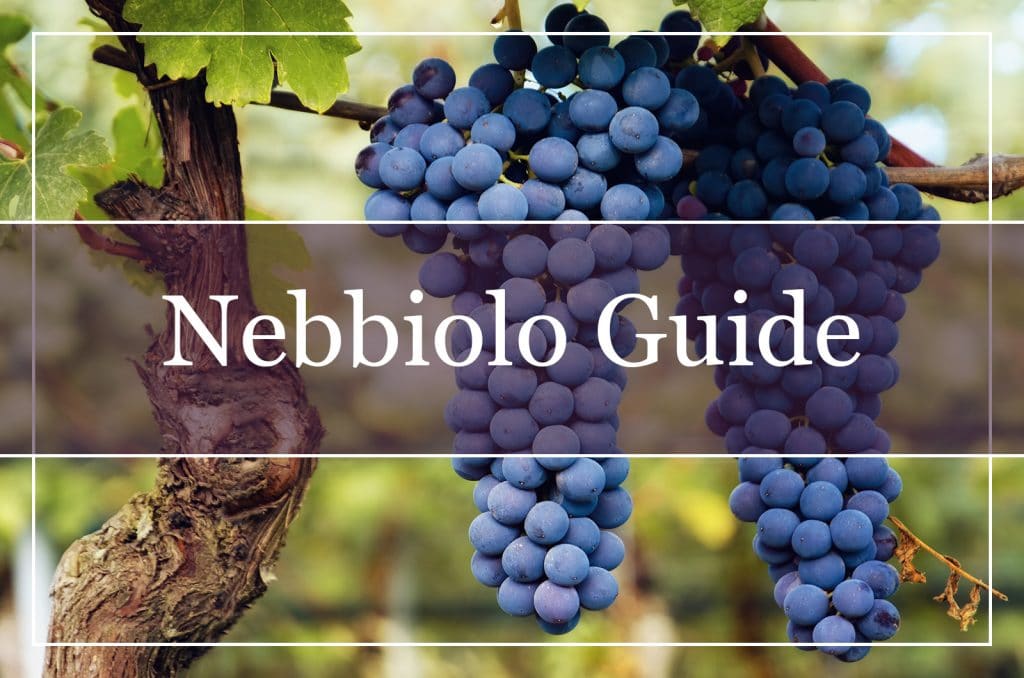
Another idea about the origin of the name is the appearance of the grapes when they are fully ripened. A fog-like shroud or powder forms around the berries and indicates that they are ready for the harvest.
A beneficial side-effect of the foggy conditions at the time of the harvest is the fact that the Nebbiolo grapes can resist the common pesky conditions of rot and mildew which are the bane of many vineyards.
Some researchers think that it might be linked to the word for “noble” in Italian, and that would certainly apply to the Barolo wines that are made from Nebbiolo grapes.
How To Pronounce Nebbiolo?
The correct Nebbiolo pronunciation is neh·bee·ow·low. This Italian word has four syllables, with the emphasis falling on the “ow”. It is important to pronounce this wine name correctly to avoid embarrassment or confusion, especially when moving in snobby wine circles. There are many audios and videos online that you will find helpful when learning to pronounce wine names correctly. You will then we able to order this wine with confidence.
Where Does Nebbiolo Come From?
An Ancient Grape With A Misty Past
Nebbiolo is an ancient grape varietal, with records of this grape dating back to the 13th century. Like its name, its origins are a bit “foggy” with some claiming that it is definitely from Piedmont and others who think it comes from the area around Lake Como in Lombardy.
Noble Nebbiolo Wines
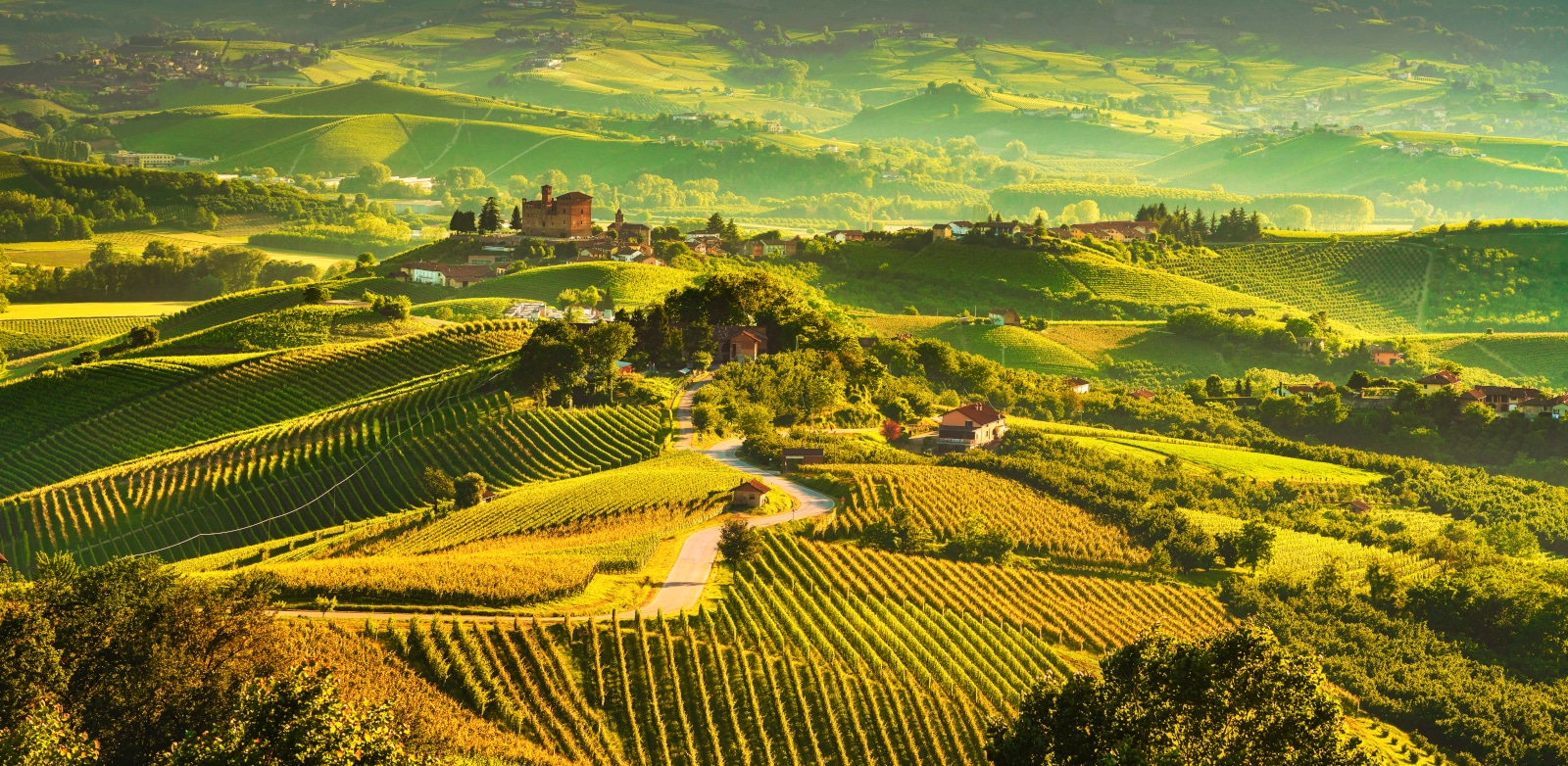
In the Langhe area you will find the Barolo, Barbaresco and Roero regions. Having the hills, valleys, and soil types that the Nebbiolo grapes favor, it is the ideal situation for the vineyards and wineries where the most famous Nebbiolo wines in the world are produced. These are bold wines with the rich aromas of ripe fruit, high tannins, and enhanced alcohol levels.
A Truly Italian Grape
Surprisingly, only 8 % of the grapes that are grown in Piedmont are Nebbiolo. However, the Nebbiolo grape is not grown extensively across the Italian peninsular because it has such specific growing requirements. Italy remains the main producer of this grape globally.
Nebbiolo Will Tolerate A Few New World Vineyards
Where this grape has found the growing conditions it will tolerate are in New World countries, and it has become a niche variety in these places. Small amounts of this wine are produced in the United States, Mexico, Chile, Argentina, Brazil, Uruguay, South Africa, Australia, and New Zealand.
What Kind of Wine Is Nebbiolo?
Known as the “thinking person’s wine”, Nebbiolo is like a magician with many tricks up his sleeve. You don’t know what to expect. What you get with a sip of Nebbiolo is a wine that is unassuming yet multifaceted. It is understated, yet self-assured, and it will certainly give you much to discuss with other wine lovers. This red wine has something different to offer and is worth the investment of time and money.
Nebbiolo Grapes Are Used to Make Exclusive Wines
It is interesting to note Nebbiolo grapes are used to produce the most expensive red wines in the world, namely Barolo. But not all Nebbiolo wines are Barolos and they must carry the Denominazione di Origine Controllata e Garantita (DOCG) to be classed as Barolo.
Is Nebbiolo Dry or Sweet?
Nebbiolo is an unusual full-bodied, dry red wine with high tannins.
What Does Nebbiolo Taste Like?
Do not let the appearance of this red wine fool you into thinking that it is a lightweight wine! The first thing to attract you is the Nebbiolo aroma. It will draw you in like a bee to nectar because who could resist the scents of violets, roses, and wild herbs, and the earthy smells of truffles and tobacco?
Famous For the Flavor of Tar and Roses
Nebbiolo taste is often described by the words, “tar and roses”. However, it is possible to discern a wide range of possible flavors in this characterful wine. Nebbiolo tasting notes mention fruits like black cherry, blackberry, raspberry, and plum. Other flavors like licorice, truffles, tar, cedar, and chocolate also feature in the Nebbiolo flavor profile. Then there are the grippy tannins that cling to the palate and create the perfect backdrop for the rich flavors of the wine.
How to Serve Nebbiolo?
People are always interested to know the ideal temperature to serve Nebbiolo. Because the inhabitants of the Piedmont region drink red wine throughout the year, they are known to chill it in the warmer months. Nebbiolo should not be as chilled as a white wine would need to be, but it should be colder than what it would be when it is taken from the cellar. Placing it in an ice bucket for about fifteen minutes will bring out the refreshing flavors and make the wine very pleasing on the palate.
If you aren’t sure about chilling this wine, then serve it between 16º and 18ºC and you can’t go wrong.
How Long Should Nebbiolo Breathe?
This interesting red wine should aerate in a decanter for anything between 45 minutes to 2 hours. Pouring from a height into red wine glasses will also help to aerate the wine. The glasses for serving can be stemmed or not, but should have sloping sides that allow the exquisite aromas to rise from a large bowl. Give the glass a swirl so you can admire the lovely hues before embarking on the unique taste adventure.
What Food to Pair with Nebbiolo?
Go Italian!
Rustic Italian food is my go-to option when serving this hearty red wine. Anything with a tomato base is going to pair perfectly with the flavors. You probably know that the high tannins in this wine are superb when matched with olive oil, butter, or cheese, and you have that in abundance in Italian cuisine.
Cosmopolitan Nebbiolo
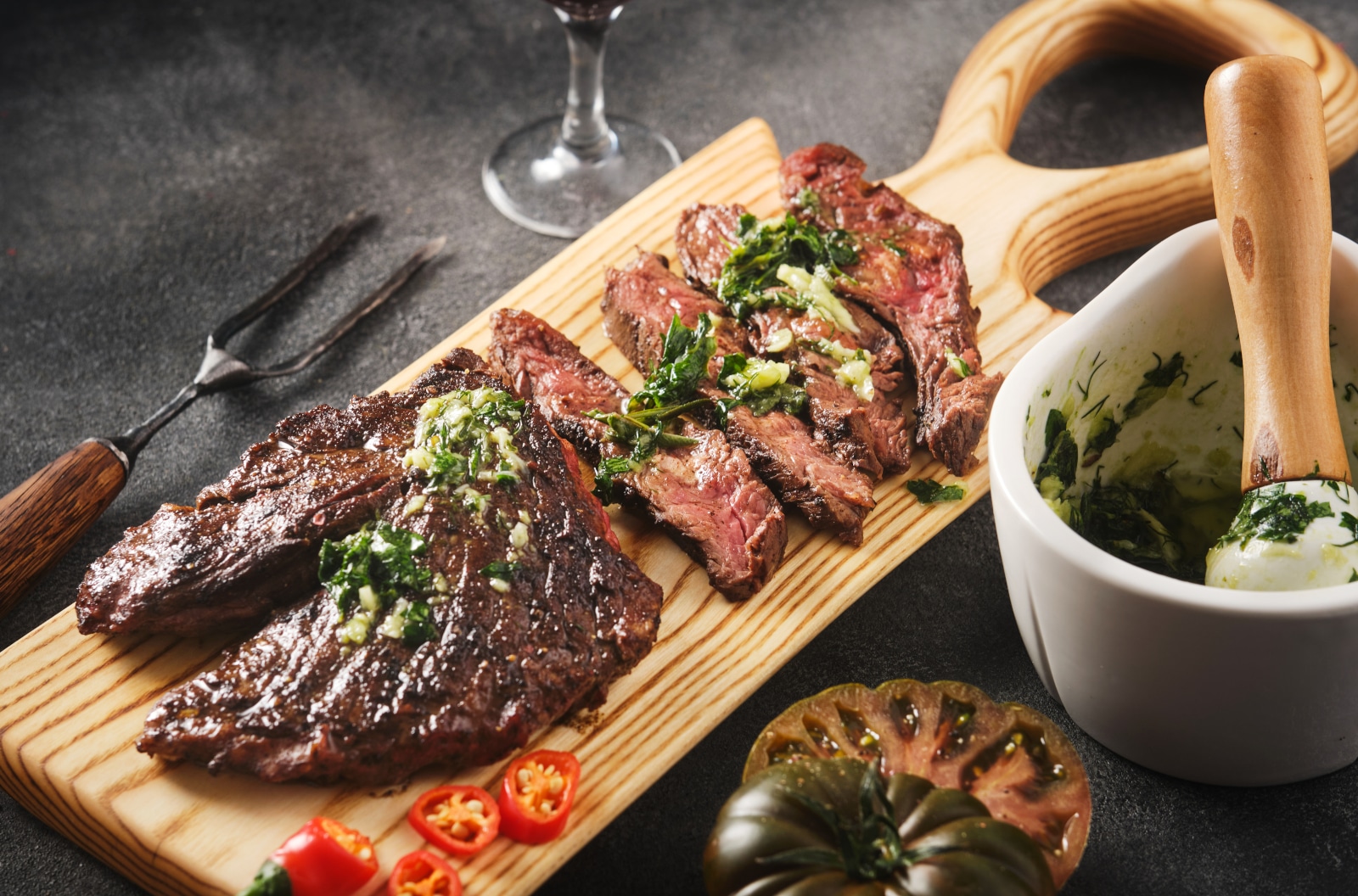
What you may find surprising is that Nebbiolo food pairing with spicy Asian food is also a match made in culinary heaven. If Mexican is your food of choice then try Jalapeño Poppers and Chimichurri Skirt Steak with a glass of Nebbiolo and you will understand what I am talking about.
So whether you go for a classic menu of traditional Italian dishes like Porcini Crusted Beef Tenderloin with Truffle Butter Sauce, Risotto with Garlic and Parmesan, venison stew, Vitello tonnato, osso buco, risotto al Barolo, you can be sure that they will taste delicious with Nebbiolo wines. The high levels of tannin and acidity cleanse the palate of the rich, creamy, indulgent foods, and these types of dishes soften the intensity of the wine.
Summer Dining
To pair a glass of chilled Nebbiolo with summer dishes is also perfect. Prosciutto and other cold cuts with salads go very well with this wine. Its high acidity will not be daunted by balsamic or vinaigrette dressings. Pop any of the following on the barbeque and serve with a glass of Nebbiolo for a flavor extravaganza: Beef Tenderloin, Ribeye Steak (or Prime Rib), Turkey, Pork Sausage, Duck, or Pork Shank.
Vegetarian Pairing
Do not fear if you are planning on serving vegetarian meals with this wine. Here are some veggies that will be ideal: roasted garlic, shallots, truffles, mushrooms, chestnuts, butternut squash, grilled radicchio, olives, capers, leeks, wild rice, and roasted fennel.
Spice Pairing
You can also any of the following herbs and spices in dishes that are to be served with Nebbiolo wine: sage, tarragon, black pepper, rosehip, coriander seed, fennel seed, celery seed, Sichuan pepper, Asian 5-spice, anise, clove, star anise, and cinnamon.
Cheese Pairing
Red wine and cheese is a classic match and Nebbiolo cheese pairing is practically obligatory! Parmigiano Reggiano, Burrata, Feta Cheese, Manchego, Pecorino, Butter, Washed-Rind Cheeses, and virtually any cheese that you have to hand will be delicious with a glass of this red wine.
How Much Alcohol Does Nebbiolo Have?
After malolactic fermentation in steel and over a year of aging in French oak barrels, Nebbiolo alcohol content is considered quite high. It is not unusual for the alcohol content to be in the range of 13.5/14.5 % Vol. This characteristic of Nebbiolo is perfect for bringing a balance between the acidity and harshness of the tannins.
How Many Calories Are There in Nebbiolo Wine?
In a serving size of 100 ml of Nebbiolo, you can expect between 125 calories to 175 calories. This is determined by the level of ripeness of the grapes and the alcohol content of the wine. The later the harvest, the high the residual sugar content. Typically, the carbs in Nebbiolo and other red wines of this type are 35 grams per serving. Remember, all alcohol is high in carbohydrates!
Conclusion
Nebbiolo is an interesting wine with unique characteristics and an intriguing flavor profile. It is Italian by nature, hailing from the Piedmont region, and that may explain its diversity and personality. It is also adaptable, accommodating, and unpretentious. The same grapes that go into making Barolo one of the most prized and expensive red wines in the world are also used to make a rustic wine that pairs perfectly with homely dishes. And then it surprises you by being a perfect match with cosmopolitan cuisines like spicy Chinese, Japanese, Indian and Mexican food. To steal a line from the film “Dirty Dancing” – Nobody Puts Nebbiolo (Baby) in a Corner!