What Is Chardonnay?
If you have ever wondered why Chardonnay is the most renowned white wine in the world, then read on to find out about the unique Chardonnay characteristics that have made it so famous.
Chardonnay grapes have been growing in Burgundy, France for centuries and that is where you will find the best and most costly examples of this noble white wine. From there, it spread to the four corners of the globe, but it is in America where it became the most beloved of white wines.
Chardonnay is an adaptable and versatile grape and will grow in a wide range of climates, and the wine that is produced from it can appear in many guises and prices. So with Chardonnay, you get a wine for all seasons and all tastes. The way the wine is produced can vary from crisp and tangy to fruity and oaky. There is also a difference in the characteristics of Chardonnay produced in cooler climes than that of the wines made in warmer climates.
What Color Is Chardonnay?
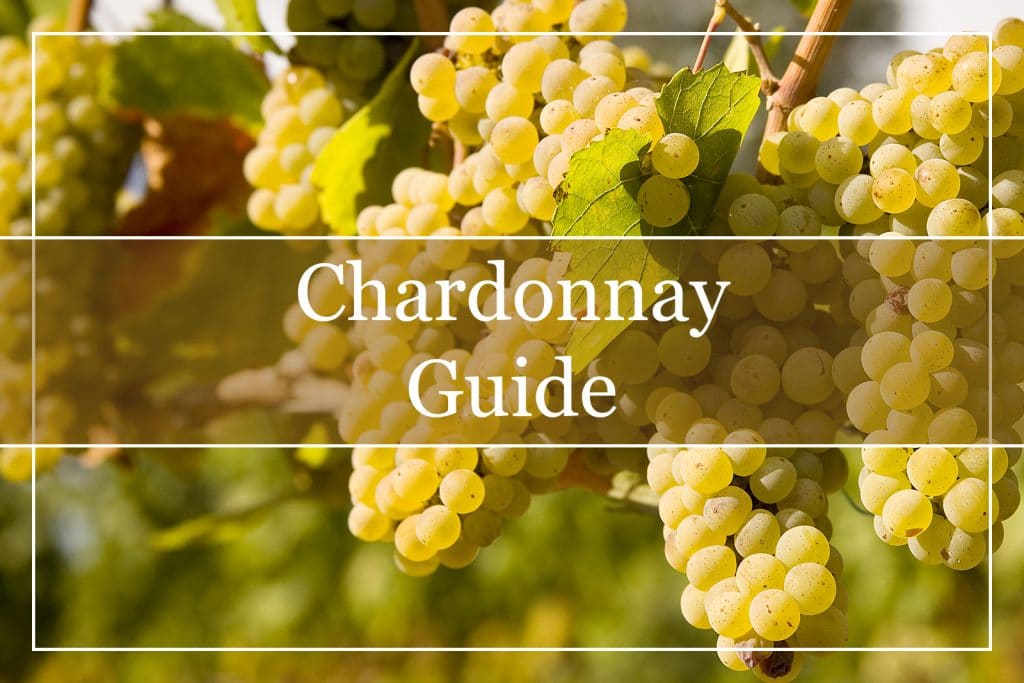
The stunning round, green berries on the vine change to a rich golden hue when they are fully ripe. That is what gives the distinctive Chardonnay color and syrupy sweetness to the wine. If you find that you have a paler Chardonnay with glints of platinum in your glass, then it has probably not been oak-aged. The sun-drenched golden Chardonnay has probably spent aging time in an oak barrel and will have a buttery flavor.
What Does Chardonnay Mean?
The dictionary definition of Chardonnay is:
A white wine grape variety used to produce Champagne and wine
A white wine produced from the Chardonnay grape
Legend has it that the name Chardonnay comes from the French village of Mâconnais, near Burgundy. Researchers believe that the vineyards were made up of a mixture of Pinot Blanc and Gris, which evolved into a single variety called Pinot Blanc – Chardonnay or Chardonnet. Its name became officially Chardonnay in 1896 by the Ampelographic Congress in Chalon-Sur-Saône.
How to Pronounce Chardonnay?
Because of the worldwide popularity of this white wine, the Chardonnay pronunciation is not too much of a problem for most people. Just in case you are unsure of the correct way to say it, try breaking the word up into syllables like this:
shaa·duh·nei
The emphasis should be on the first syllable.
Wine snobs will not forgive you for pronouncing the name incorrectly, so make the effort to practice the correct way to say it. There are many helpful videos online to support your learning of the correct way to say the name of this white wine. Soon you will be talking about it and ordering this delicious wine from the menu with confidence.
Where Does Chardonnay Come From?
If you had a dollar for all the stories that abound about the origins of Chardonnay, well, you would be able to buy many bottles of this delicious wine! In fact, it was only when DNA research was used, that the official origins of Chardonnay were revealed. Chardonnay, along with a wide variety of grapes all stem from one set of parents namely the Pinot grape and the Gouais Blanc. It is for this reason the Chardonnay and Pinot Noir are always grown together.
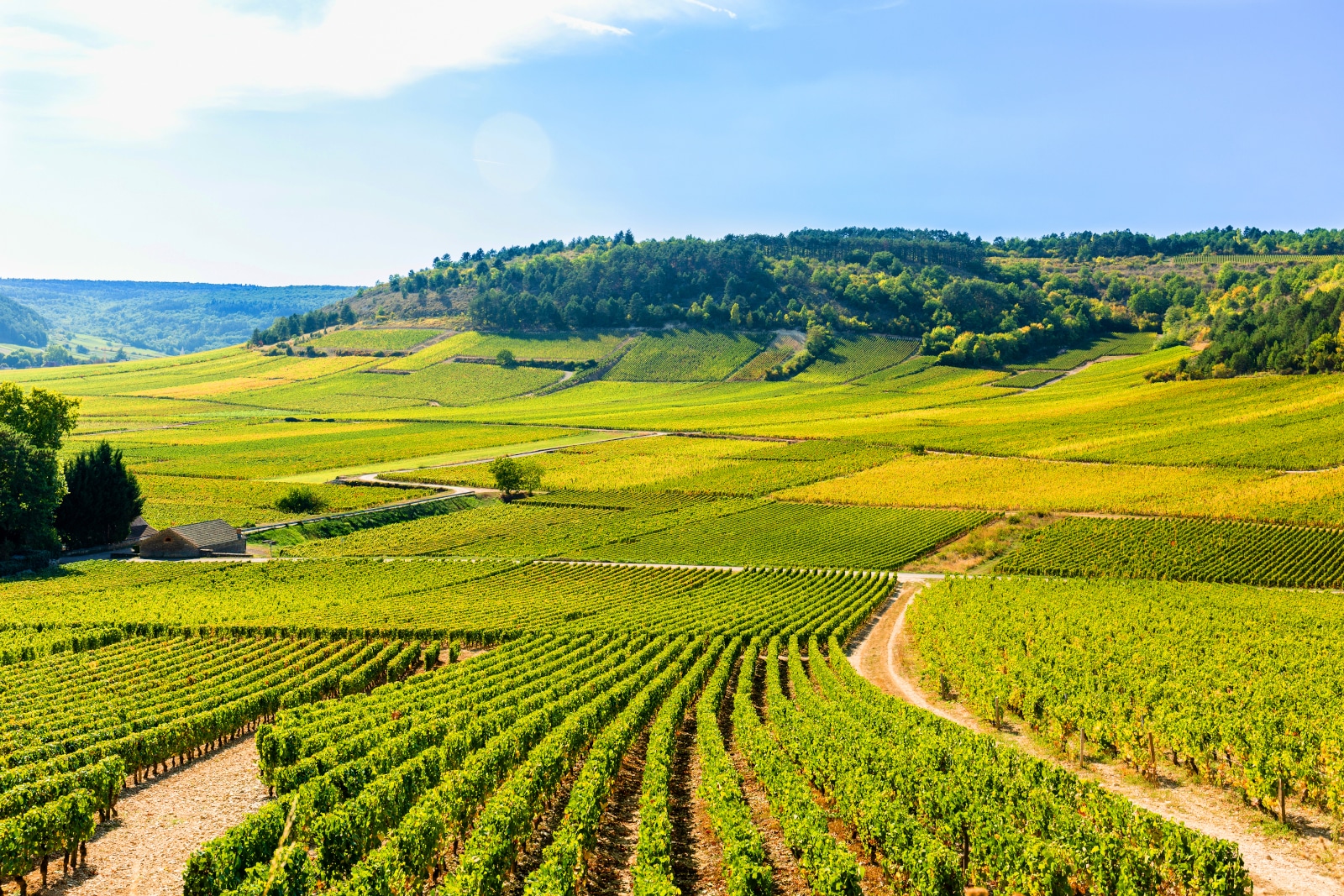
The Gouais Blanc is thought to have been brought from the Croatian region to France by Roman invaders. It found the ideal place to grow in the Burgundy region of Côte-d’Or, which means “Golden Slope”. These vineyards were cultivated by Cistercian monks who had discovered that it was possible to make a delicious, golden wine that could express the features on the terroir in which it had grown. These monks are believed to have been the driving force behind making Burgundy the wine-producing heaven that it now is.
A Truly International White Wine
Today, Chardonnay grapes are grown across the world. There are warm and cool Chardonnay varieties, which grow happily in different regions. Chardonnay from warmer climates tends to have lower acidity and alcohol levels. Cool climate Chardonnays are fruitier, full-bodied, and usually have higher alcohol content.
There are also Old World and New World varieties of Chardonnay.
Old World Chardonnay comes from France (Burgundy and Champagne regions), Northern Italy, Spain, Germany, and Austria.
New World Chardonnay is produced in America (California and Oregon), Chile, Canada, Australia (Tasmania, Victoria), New Zealand, and South Africa.
What Kind of Wine Is Chardonnay?
Chardonnay comes in different styles, so it is not possible to rank them from best to worst. It all depends on personal preference. The different climates and production styles around the world, produce such different flavors of this white wine, that it can become a lifelong quest to discover your favorite one.
Essentially, Chardonnay is a full-bodied white wine with rich fruit flavors. It is one of the rare white wines that are ideal for oak aging and as such can often present a delicious buttery vanilla flavor.
Is Chardonnay Dry or Sweet?
Chardonnay is a dry white wine, with medium to full body depending on which region they have been produced in and the aging method. All the residual sugar is converted to alcohol, which makes this a dry wine.
What Does Chardonnay Taste Like?
Defining the Chardonnay flavor profile is no easy task because there are so many factors that affect it. Essentially, there are two basic taste profiles – cool climate Chardonnay and warm climate Chardonnay. Each of the two types has its profiles influenced by color, flavor, aromas, structure, and locality.
The Chardonnay aroma is individual and quite difficult to describe because it is so subtle and delicate. Typically, it will have hints of apples, stone fruits, tropical fruits, and a light lemony smell.
Chardonnay Tasting Notes
The predominant flavors that make up the Chardonnay taste are those of fruits, herbs, flowers, and minerals/earthy flavors of the forest floor, mushrooms, and dried clay.
Fruit flavors include:
Lemon, lime, and grapefruit notes, apples, and pears (cool climate).
Stone fruits: apricot, peach, and nectarine as well as tropical fruits like pineapple, mango, guava, fig, jackfruit, passionfruit, kiwi, and banana (warm climate)
You can also expect the subtle flavors of apple blossom, jasmine, and honeysuckle in the background. Some Chardonnays will include vegetal flavor layers of cucumber, celery, freshly-cut hay, thyme, and mint.
Fermentation and Maturation Methods Influence Chardonnay Flavors
Skilled winemakers incorporate additional flavors to the Chardonnay during the production process. They may include beeswax, caramel, and buttery notes. Oak aging brings another dimension to the layers of flavor and could include vanilla, almond, spices, and smoke depending on where the wine has been produced and which type of oak has been used to make the barrels.
The use of stainless steel tanks for Chardonnay production has led to examples of this white wine ending up with higher acidity and a crisper profile than oak-aged Chardonnay, and this method is used for mass consumption varieties. Top quality Chardonnay is still matured in oak barrels.
How to Serve Chardonnay?
Chardonnay must always be served chilled. Because of its delicate flavor profiling, a warm Chardonnay will have muddled and confused flavors. The ideal temperature to serve Chardonnay is achievable by refrigerating the wine for about two hours at 50–55°F (about 10 – 12 degrees Celsius. Always re-cork and refrigerate an unfinished bottle of Chardonnay for no more than four days. After that, the wine will become oxidized and unacceptable for drinking. It can still, however, still be used for enriching sauces and stews.
Storing Chardonnay for a couple of years is possible provided the bottles are kept in a still, quiet place that is dark and cool.
How Long Should Chardonnay Breathe?
Due to its full-bodied texture and deep layers of flavor, Chardonnay is a white wine that will benefit from aeration before drinking. It is advisable to let this wine breathe for at least thirty minutes before drinking. Simply transferring the wine into a carafe should be enough to enhance the flavors. By pouring the Chardonnay slowly into a wide-brimmed carafe, but don’t forget to place the carafe in the fridge to aerate because your efforts to enhance the drinking experience will be negated if the Chardonnay becomes warm.
What Food to Pair With Chardonnay?
Chardonnay comes in so many different styles and it is a very versatile wine. However, I must add a word of caution. There are some flavors and cuisines that just do not pair well with Chardonnay and should be avoided.
Using the age, climate, and maturation method as a guide, you will be able to ensure that your Chardonnay food pairing is done to perfection. Here is a simple guide to get you started:
Cool Climate Chardonnay – Young and Unoaked
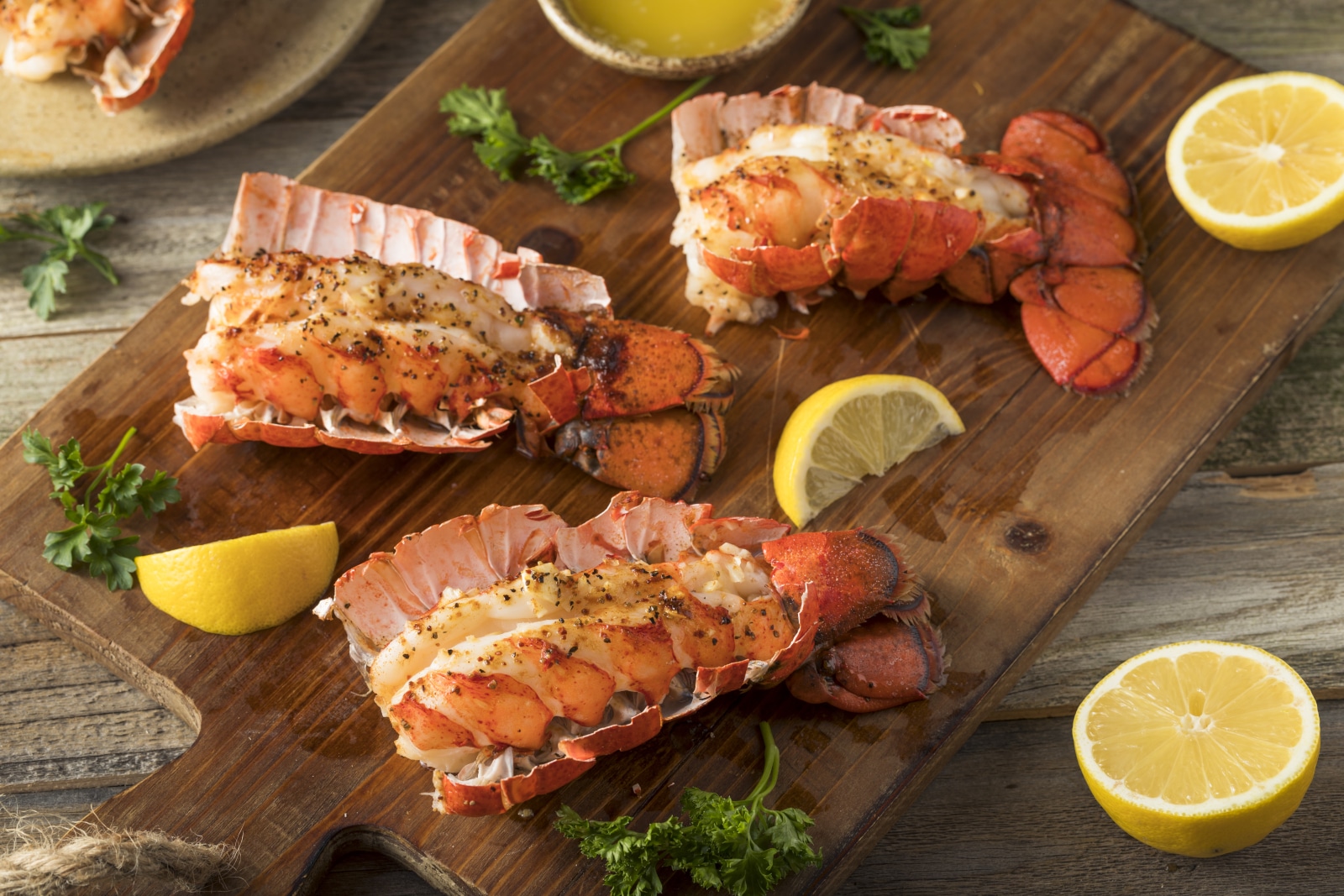
As these Chardonnays have crisp delicate flavors they will pair perfectly with shellfish such as oysters, mussels, or scallops. Italian pasta, risotto, and creamy soups are also a good match. Traditionally, lobster is served with this type of Chardonnay.
Warm Climate Chardonnay – Young and Slightly Oaked
Lower-priced Chardonnays from countries like South Africa, New Zealand, and Chile has stronger flavors and will complement fish dishes with herby sauces. The flavors of sushi and sashimi are also enhanced by taking a sip of chilled Chardonnay.
Cool Climate Chardonnay – Up to Five Years Old and Oak Aged
These Chardonnays have a richer texture and a stronger bouquet so they match well with fatty seafood served in rich creamy sauces. With these white wines, you could serve salmon in a creamy, garlic sauce or Ina Garten’s recipe for “Coquilles St.-Jacques”.
Chardonnays with heartier flavors also pair well with meats like veal, pork, and chicken especially if they are combined with cheese-based, creamy sauces. Mild curries made with coconut milk will also taste delicious with a glass of Chardonnay.
Warm Climate Chardonnays – Full-bodied and Oak-Aged
Top-quality warm climate Chardonnay from California, Australia, and New Zealand for example is perfect with hot weather food such as barbeques and the typical meats and salads that are associated with those types of countries. Juicy steaks, chops, and spicy sausages are all favorites to serve with these Chardonnays. Don’t forget to try these wines with roasted or baked vegetable dishes in creamy sauces if that is what you prefer.
Chardonnay Cheese Pairing
Choose unoaked Chardonnay to bring crisp refreshing flavor to the palate when pairing this white wine with cheese. Your cheese platter should include goat’s milk cheese, Brie and Camembert, or cheeses that are nutty or slightly sweet. Strong, aged cheeses like Gruyere and Gouda are better served with a more mature, oaky Chardonnay.
How Much Alcohol Does Chardonnay Have?
Chardonnay from warm regions is generally sweeter and has a higher alcohol content. You can expect the Chardonnay alcohol content to generally be in the range of 13.5%–14.5%.
How Many Calories Are There in Chardonnay?
Because all the residual sugar from the grapes is converted into alcohol, Chardonnay is a dry white wine. If a few grams of residual sugar are left to give a little sweetness to the wine, it is still considered a dry wine. Alcohol has calories, so even as a dry wine, Chardonnay will have calories. A five-ounce serving of Chardonnay has about 120 calories. The carbs in Chardonnay, like most dry wines, will typically not exceed 4 grams.
Conclusion
Chardonnay is undoubtedly one of the most popular white wines available. Its popularity is well-earned due to its easy-going characteristics, full, fruity flavors, and floral bouquet. There are different styles of Chardonnay, and a range of different production methods that means there is a Chardonnay for every palate. This versatile white wine can be enjoyed in a host of different times and settings, and it pairs well with a wide range of cuisines. Best of all, it is widely available both in shops and online, so there is never a reason for not being able to get your glass filled with this divine, golden wine.