Considered one of the most prestigious winemaking countries, France has a long history of producing wine. To ensure that the produced wine is of high quality, France developed a set of standards against which local wines are measured.
The French classification system corresponds to the European Union’s PDO (Protected Designation of Origin) and Protected Geographical Indication (PDI), which protects regional produce. Sample protected food specialties include Feta cheese in Greece, Parmigiano-Reggiano cheese in Italy, and Jamón de Jabugo, a 100% Iberian ham produced in the Spanish town Jabugo. As for France, there is a governing body, the Institut National de l’Origine et de la Qualité (INAO), a branch of the French Agriculture Ministry, ensuring quality for wine, cheese (think of Brie, Camembert), and other food products.
Certification of Origin
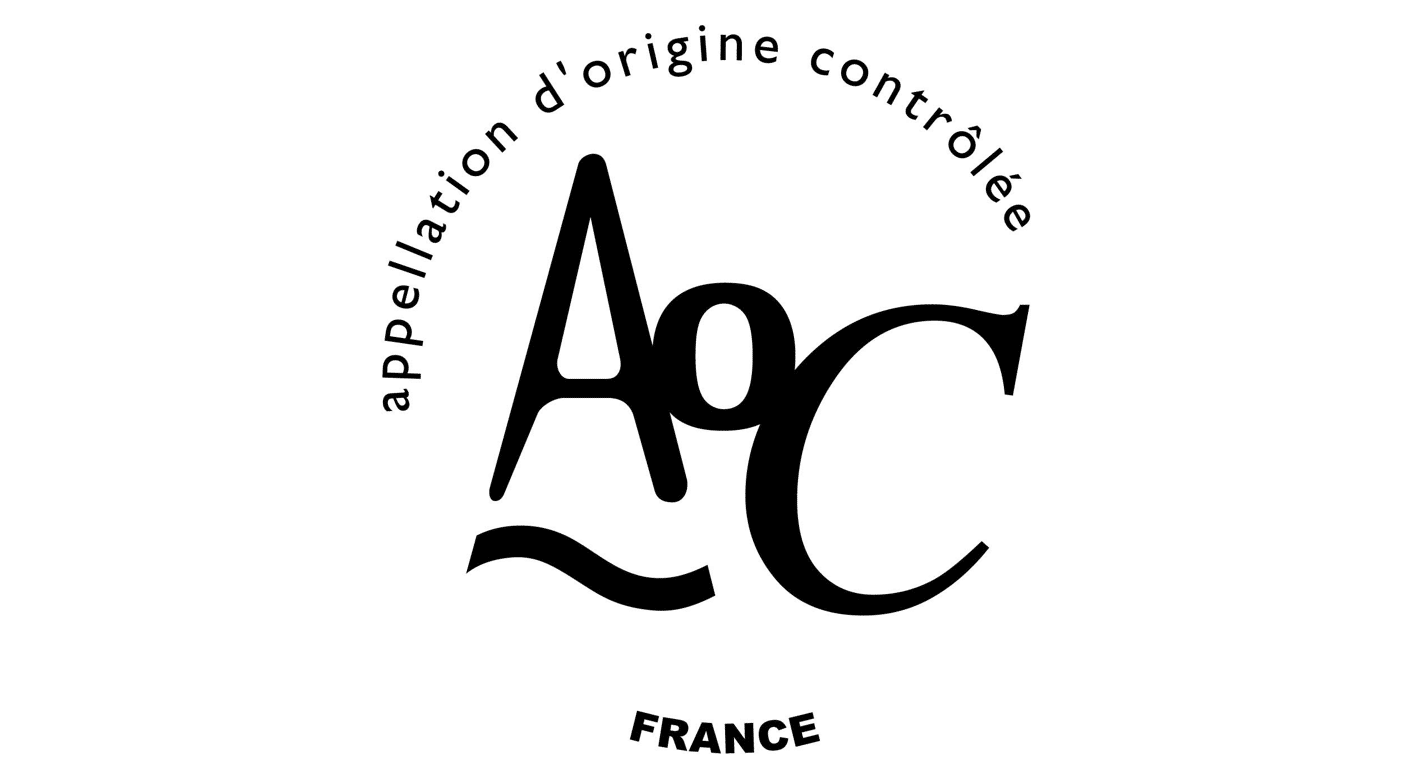
The word appellation concerns the legally defined geographical area that certifies the origin of a wine. Appellation D’origine Contrôlée (AOC or AC) is the traditional French term for PDO and is widely seen on wine bottle labels, instead of the Appellation D’origine Protégé classification, which is the more accurate translation. The French for PGI is Indication Géographique Protégée. Most winemakers use this term on their wine labels. However, the traditional designation Vin de Pays (VdP) is also seen and is common in South France, in the Languedoc-Roussillon coastal wine region. Wines without Geographical Indication (GI) are termed Vin de France.
Moreover, when discussing France, bear in mind that it is common for one plot of land to be covered by a generic and a more prestigious appellation classification. Each year the producer chooses which appellation they wish to use, a decision often influenced by the quality of the vintage. As a final note, PDOs are smaller areas with tightly defined regulations, whereas PGIs are larger and have fewer regulations.
What Is Special About the AOC Label?
The AOC label is significant for two things. First, for denoting the quality of the wine, and second, for specifying what grape varieties can be grown.
By identifying the grape varieties and methods used to produce a region’s best wines, the AOC system protects the identity of local wines. At the same time, it promotes quality and prevents fraud. Therefore, in theory, an AOC labeled bottle has a unique flavor and cannot be copied by any other wine. According to regulations, 100% of the grapes must come from the state region of origin for these wines, too. Do note, though, that many AOC wines do not state the grape variety on the label.
Wines without a GI offer producers the most flexibility when it comes to production rules. GI enables brand owners to create multi-regional blends by sourcing grapes from vineyards throughout a country, or even multinational blends by sourcing grapes from different EU countries. There are no limits on production beyond those that are necessary for accurate labeling and product safety.
Where Did the AOC Come From?
While attempting to control, secure, and protect the reputation of wine and other cultural produce, France decided to establish the INAO back in 1935. Winemaker Baron Pierre Le Roy supported the cause and created the first designated AOC in Châteauneuf-du-Pape, the undisputed king of Southern Rhône.
In the next few years, classic winemaking regions, like Burgundy, Bordeaux, and even Champagne, established their own respective AOCs, setting standards and classifications that remain in effect until today. For instance, a French wine labeled Champagne can only be a sparkling wine made with the Traditional Method (Méthode Champenoise or Méthode Traditionnelle) within the Champagne wine region with Pinot Noir, Chardonnay, and Pinot Meunier.
What Are the Bordeaux Classifications?
Bordeaux’s classification systems, except Saint-Émilion, lie outside the French appellation system, as the classifications do not rank vineyards but estates, commonly known as châteaux. In due time, the estate may grow in size due to the purchase of individual vineyard plots. Therefore, a château name is more like a brand than a designation of a specific vineyard.
The Médoc and Sauternes
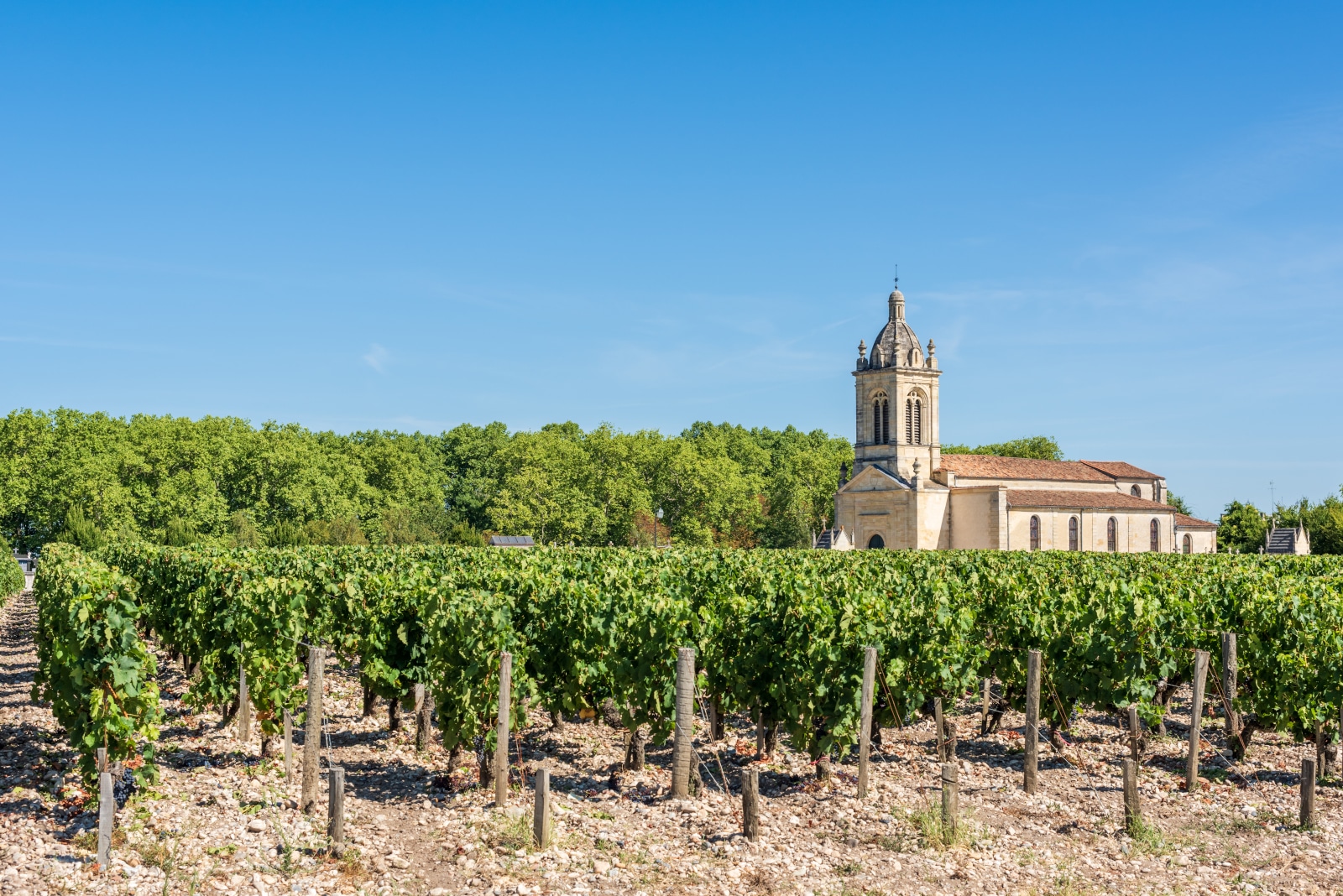
During the Paris Universal Exhibition in 1855, the Bordeaux Chamber of Commerce decided to produce a list of the best red wines from the Médoc and the white wines from Sauternes. Today, this is known as the 1855 Classification. Over the years, the classified châteaux have changed in number, size, even ownership. In addition, the quality of wine produced has also changed. The châteaux that belong to this classification are referred to as crus classés. In Médoc, the châteaux are divided into 5 ranks, while in Sauternes there are 3.
Furthermore, for the châteaux that were not included in the 1855 Classification, the classification of cru bourgeois was introduced. Cru bourgeois is given to wines in a specific vintage instead of the châteaux. As such, wines from new vintages have to be submitted to a relevant committee each year to gain classification.
Graves and Pessac-Léognan
Wines from Graves are classified with parallel lists for red and white wines. There is no ranking, as all listed wines can be called crus classés. All of the crus classés châteaux are within Pessac-Léognan, since this appellation was created after the Graves classification was established.
Saint-Émilion Cru Classé
The Saint-Émilion classification system is included in the appellation system. Within Saint-Émilion, there is another, separate appellation Saint-Émilion Grand Cru, and within this one, there is a classification of the best châteaux of the region. In ascending order, the rankings are: Saint-Émilion Cru Classé and Saint-Émilion Premier Cru Classé, subdivided into Saint-Émilion Cru Classé A (best quality) and Saint-Émilion Cru Classé B. Every ten years, there are reclassifications, as châteaux can be promoted or demoted.
What Are the Burgundy Classifications?
Burgundy appellations form a hierarchy exclusively based on that of the vineyard sites. At the very base of this hierarchy are the regional appellations. Most of the regional appellation wines are from vineyards that do not have the right to be called superior applications, even though some wines have been declassified from a superior appellation. That may have happened due to excessive yields or because a producer wants to preserve the prestige of the superior appellation and exclude lower-quality wines.
By far, the most generic appellations are Bourgogne Rouge and Bourgogne Blanc and can come from anywhere in Burgundy. They are made from Pinot Noir and Chardonnay. In addition, there are regional appellations that cover more restricted areas. These are Bourgogne Hautes Côtes de Nuits, Bourgogne Hautes Côtes de Beaune, and Bourgogne Côte Chalonnaise. In Mâcon, the regional appellations are Mâcon for red and white wines and Mâcon Villages for only white wines.
Commune Appellations
Next in the hierarchy are the commune appellations, such as Gevrey-Chambertin and Gevrey. For the most part, only the name of the commune will be seen on the bottle label. Sometimes, though, if the wines come entirely from a single vineyard that is not considered a cru, the vineyard name appears, too. The term Village is occasionally used instead of commune, however.
Premiers Crus and Grands Crus
The most prestigious sites in Burgundy, and perhaps in all of France, are the premier cru and the grand cru appellations. They rank higher than the village appellations and give consistently phenomenal quality wine. Rarely the vineyard belongs to just an owner, however, as most vineyards are divided between different grape growers, each of whom grows and harvests their individual vines.
In total, there are over 600 premier crus between Chablis, Côte Chalonnaise, and Côte d’Or. Wines made from these vineyard sites must state premier cru on the label. If the wine comes from a single vineyard, the vineyard name also appears on the bottle. Consequently, if producers blend wines from different premier cru vineyards, no vineyard name goes on the bottle.
At the very top of the hierarchy, there are the grand cru vineyards. They account for just 1% of Burgundy’s total wine production. There are only 33 in Côte d’Or and 1 in Chablis (giving superior quality Chardonnay). Only the vineyard name and the term grand cru appear on the label.
What Are the Alsatian Classifications?
Alsace has a simple appellation system. There are only two main appellations for still wines: Alsace and Alsace Grand Cru. And there are two other classifications for Alsace wines: Vendages Tardives (VT) and Sélection de Grains Nobles (SGN). These depend upon the sugar ripeness of the grapes. Also, both Alsace and Alsace Grand Cru may apply to these terms. On top of that, some producers use label statements, such as Réserve Personnelle or Cuvée Spéciale, to distinguish between the different qualities of wine that they produce. That said, these statements are not actual classification and have no legal status.
Vendages Tardivees
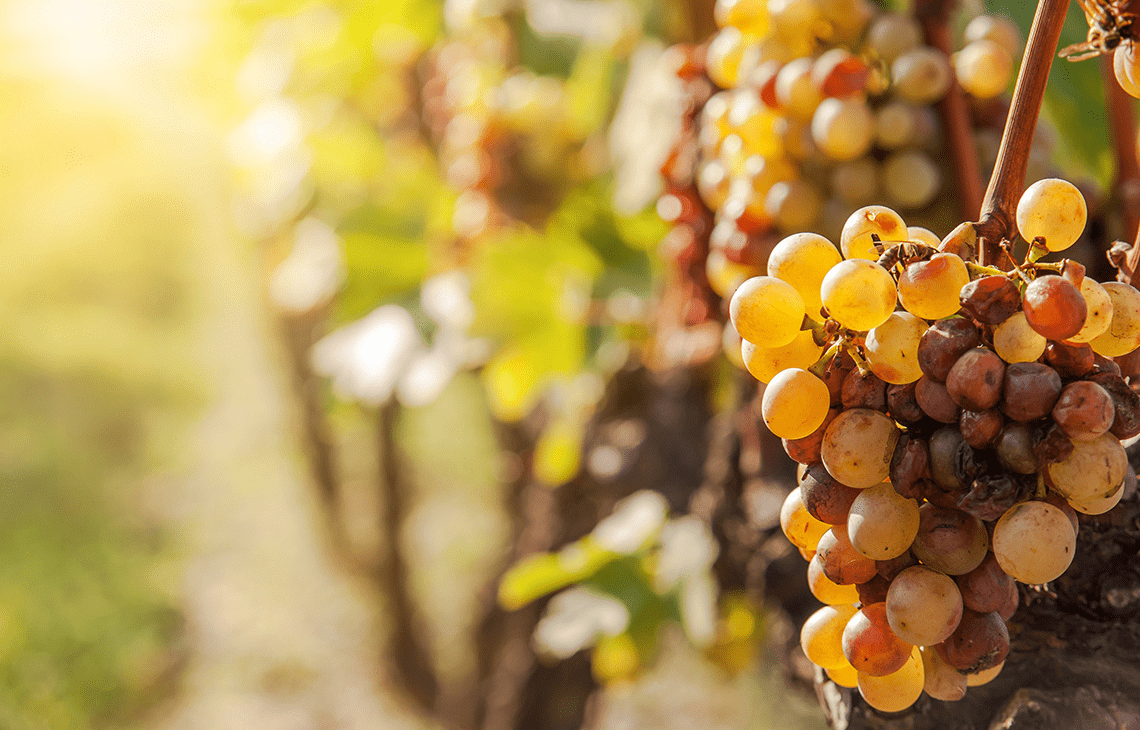
This translates into Late Harvest. Such wines can only be made from one of the four Alsatian noble varieties (Riesling, Muscat, Pinot Gris, and Gewurztraminer). They must have a minimum sugar ripeness, depending on the particular grape variety.
Sélection de Grains Nobles
Like VT wines, Sélection de Grains Nobles wines are produced from one of the four noble varieties and must have a minimum sugar ripeness, depending on the grape variety. The sugar levels in SGN wines are higher than those in VT and are achieved with noble rot. In addition, these wines are not produced every year.
What Is the Difference Between AOP and AOC?
As previously mentioned, the main difference between AOP and AOC has to do with the regulated region the wine came from. For example, wine may come from an Appellation d’Origine Protégée area, like Bordeaux, or a specific Appellation d’Origine Contrôlée area, such as Listrac-Médoc, which lies within Bordeaux.
How Many AOCs Are There in France?
There are over 360 AOCs in France. Most lie within the 11 primary growing regions, such as Burgundy, Bordeaux, Alsace, Loire, Rhône, etc. The French AOP classification system has set rules for every aspect of wine production, from permitted grape varieties to minimum alcohol level to aging requirements.
What Are the French Wine Classifications?
France has complex wine laws, with most applying on a national level. That said, some are region-specific. There are three tiers of French wine quality classification which are associated with the wine’s geographical origin.
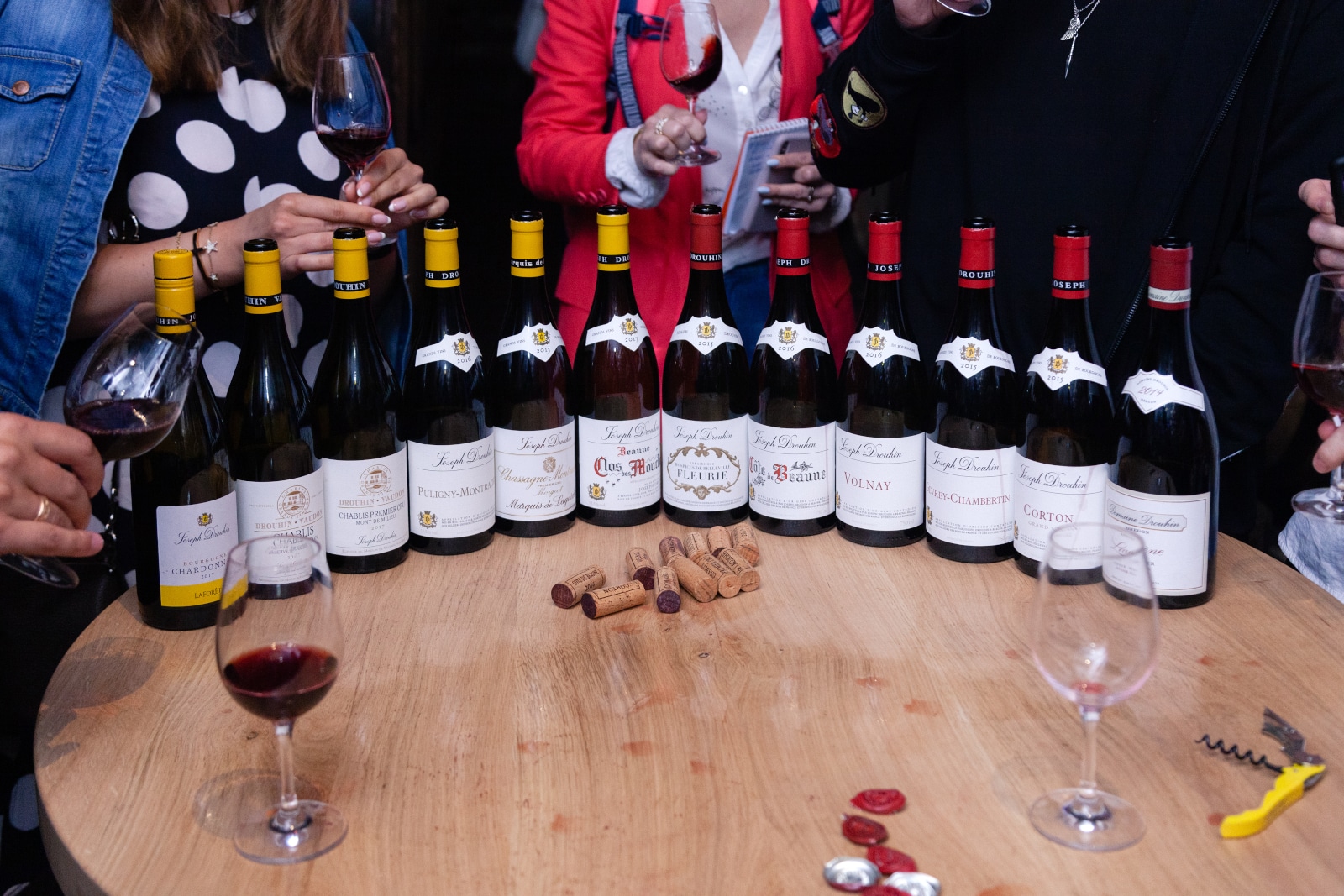
AOC is the first tier of said classification, indicating the quality, the geographical origin, and the style of wine. That is extremely important for consumers, as when purchasing a bottle, they can safely estimate the quality of the wine they get. The designations reflecting the location and quality are found within the AOP and break into 4 principal AOC-specific classifications.
Classifications
Premier Grand Cru Classé or Grand Cru Classé: Also known as the Special Classification, a Cru refers to a specific vineyard or group of vineyards. That is the most prestigious wine classification in France.
Village/Commune: This classification refers to small areas within a sub-region. Think of Pauillac in Médoc.
Sub-Regional: Large sub-regions known for a specific wine or having a unique terroir. An example is the sub-region Médoc in Bordeaux or Burgundy’s Chablis sub-region.
Regional: This classification has the broadest sense of an AOC. Wines labeled Bourgogne or Bordeaux are typical regional designations.
Except for AOC, there are also two additional wine quality classifications, Vin de Pays and Vin de France.
Vin de Pays (VDP) translates into wine of the land but depending on the context, wine style, and châteaux, VPD means country wine. This category focuses on geographical origin rather than quality, style, or tradition and offers winemakers more freedom than AOC. VDP was introduced back in the 1970s, and there are more than 150 VDP titles. They cover a quarter of French wine production.
Vin de France (VDF) is the outdated Vin de Table category. By far, it remains the most basic quality classification for French wine and means table wine. As expected, it is the least regulated of all three categories. VDF can be produced from grapes sourced anywhere within France, and the wine labels do not need to mention a region of origin. Information about the grape variety or vintage is often excluded and not stated on the label, therefore.