What Is Gewürztraminer Wine?
Gewürztraminer is a tricky little grape variety. It is often included in beginner’s “blind tasting” courses because it has some unique aromas and flavors. Gewürztraminer characteristics are strong and easily identifiable in this concentrated, aromatic white wine. Its entrancing golden appearance, high alcohol content, and waxy texture are also clueing that will help you to identify this wine.
What Color Is Gewürztraminer?
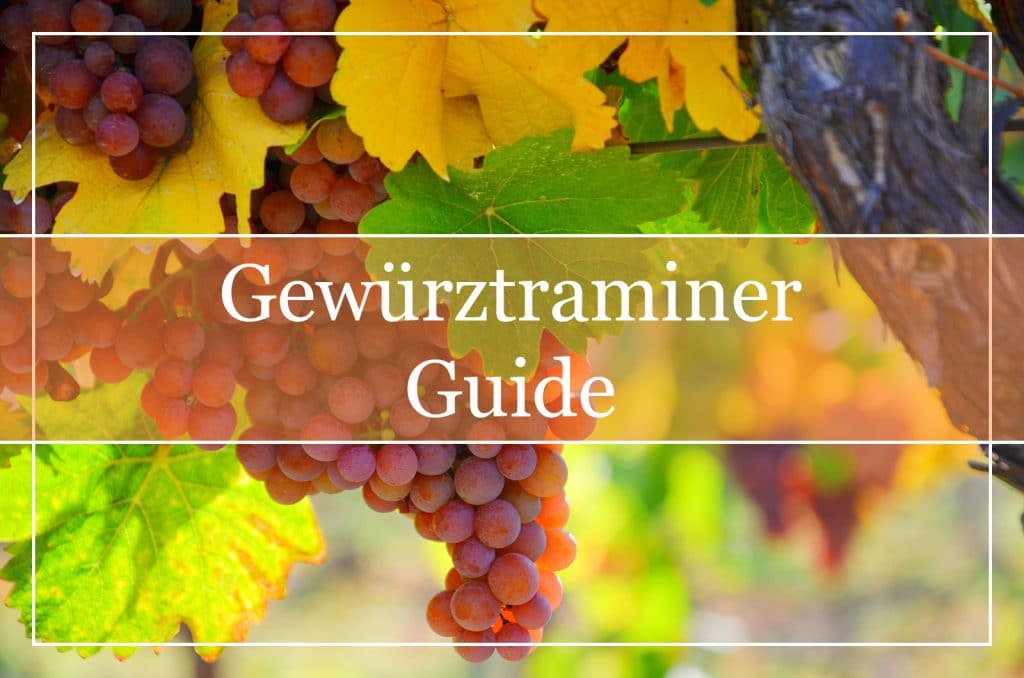
You will notice that Gewürztraminer is a white wine unlike any other. It has a much more intense color than most other white wines which tend to have pale greenish hues. The Gewürztraminer color makes it stand out because it is a brilliant yellow. The Gewürztraminer grapes are a pale pink color which causes the golden color of this wine, something that is rare in a dry wine.
What Does Gewürztraminer Mean?
The direct translation from German into English is “Spice Traminer”. This perfumed grape varietal is a mutation of Sauvignon Blanc.
How to Pronounce Gewürztraminer?
It could be worth spending some time getting your tongue around the pronunciation of this wine. There are five syllables, with the emphasis on the second and third ones.
Guh-vertz-trah-mee-ner
You are sure to get away with just calling it Gewürz and most people will know what you mean!
Wine snobs will not forgive you for getting the Gewürztraminer pronunciation incorrect, so make the effort to practice the correct way to say it. There are many helpful videos online to support your learning of the correct way to say the name of this wine. Soon you will be talking about it and ordering this delicious drink from the wine menu with confidence.
Where Does Gewürztraminer Come From?
Besides the difficulty in pronouncing the name of this grape, it is also notoriously difficult to grow so it has not spread globally like other grape varieties. It favors cooler temperatures, and does not always respond well to fast ripening that occurs in warmer countries. However, with careful winemaking skills, some New World countries have mastered the art of making this wine. Europe is the birthplace of this grape and Alsace, on the French/ German border is the predominant Gewürztraminer growing region.
Germany is the traditional home of Gewürztraminer and remains one of the biggest producers of this wine. It also has a reputation for creating some of the best examples of this wine in both dry and sweet versions.
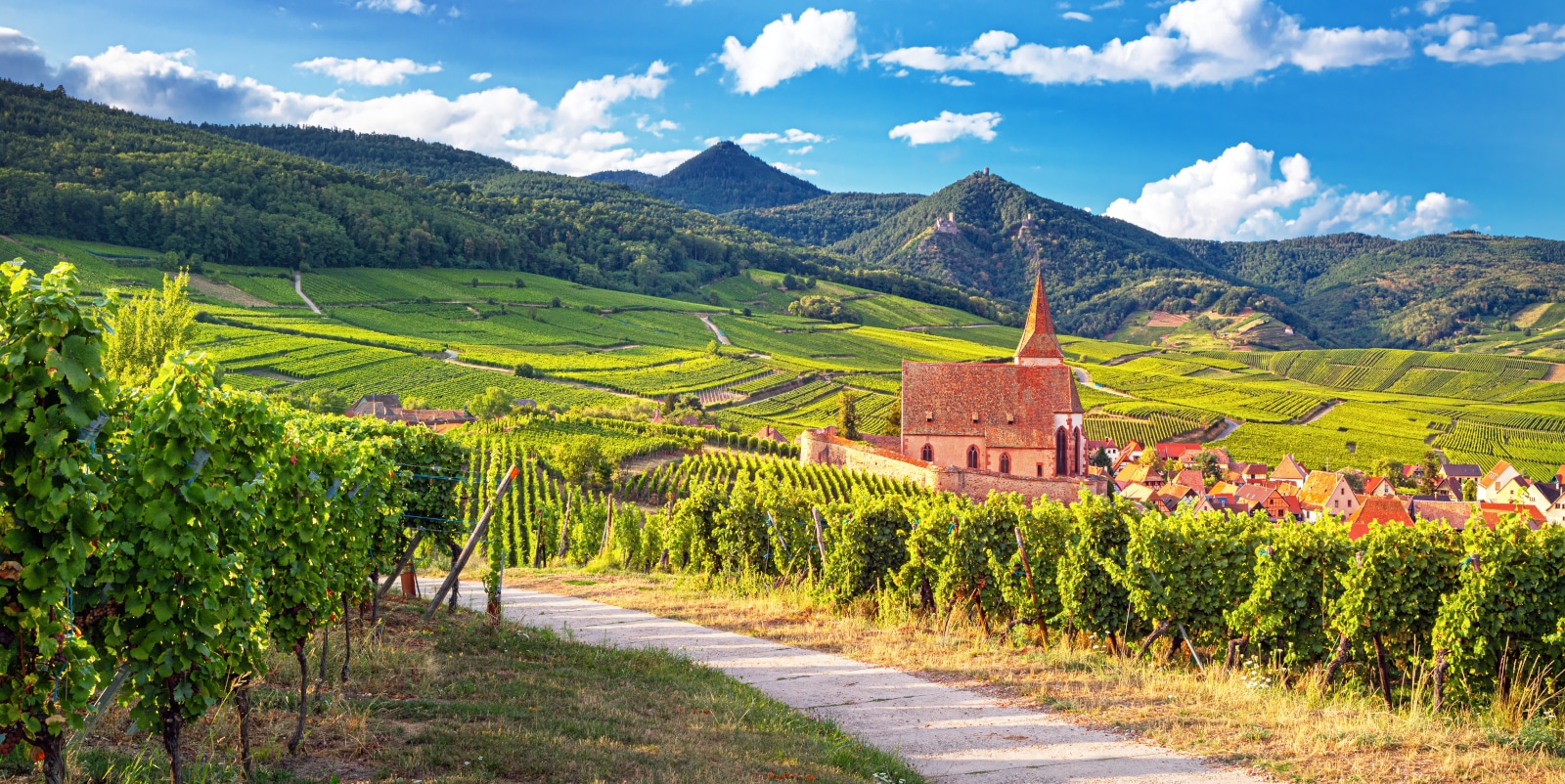
The Alto Adige region in the Italian Tyrol is perfect for producing these grapes. The warm sunshine and cool mountain breezes lend themselves to the making of dry wines with slightly higher acidity.
While Austria and Switzerland are not known for producing large quantities of this wine, they do specialize in creating the finest quality Gewürztraminer wines.
Although the names of the wine are different in Eastern European countries, the characteristics remain the same and there are large Gewürztraminer vineyards across this region. The wine is often produced in both dry and sweet styles.
North America, particularly Washington State and Oregon are well-suited to the growth of this varietal, as is Canada. Other New World countries that have had success with growing Gewürztraminer are Australia (Tasmania), New Zealand (North Island), and Chile, where good quality, reasonably priced examples are grown.
What Kind of Wine Is Gewürztraminer?
This white wine is made from grapes that have delicate pink skins. This color is reflected in the coppery wine that is aromatic and rich in flavor.
Is Gewürztraminer Dry or Sweet?
The answer to that question is vague and intriguing. Gewürztraminer can be either dry or sweet, depending on the production method and other factors. It does have inherent sweetness from a couple of grams of residual sugar. The wine does seem on the sweet side because of the low acidity, high alcohol, and aromatic bouquet that is characteristic of Gewürztraminer.
What Does Gewürztraminer Taste Like?
The Gewürztraminer flavor profile is defined by the aromatics for which it is famous. “Gewürz” means spice in German and unusual spicy notes can be found in the Gewürztraminer aroma. For instance, do not be surprised to pick up hints of ginger, cinnamon, and Turkish delight, as well as the aromas of tropical fruits and flowers on the nose. Wine lovers are often divided on whether this spiciness is delicious or foul, so it is a matter of personal preference. You will probably detect the unique smell of lychee – an Asian fruit and that is what gives Gewürztraminer its rose-like aroma.
Gewürztraminer Tasting Notes
Gewürztraminer is usually aged in stainless steel tanks, so the flavor does not have vanilla notes that come from oak barrel aging. That is not necessary with these grapes because the flavors make the Gewürztraminer taste so particular and interesting. The four styles of this wine are dry and light, dry with a full-body, demi-sec, and very sweet.
You should expect tropical flavors on the palate. There will be lychee, mango, pineapple, and ginger. The more dry the style of this wine, the more earthy, slate flavors will be detected. Some Gewürztraminers, particularly from Alsace are called “Late Harvest” wines and they have the typical rich golden color and dessert-like sweetness. The high alcohol content and ripened fruit flavor ensure a very sweet coating on the palate.
How to Serve Gewürztraminer?
The intense sweetness and fragrance of this wine mean that it must be perfectly chilled. Ensure that the temperature to serve Gewürztraminer is strictly adhered to, or the flavor could be quite unpleasant. It will be enjoyable if chilled to 55 to 60 degrees Fahrenheit (12 to 15 degrees Celsius), and this can be achieved by leaving the bottle in the refrigerator overnight and then check with a wine bottle thermometer. You may need to adjust the chilling temperature according to the level of acidity of the style of Gewürztraminer that you have chosen. The higher the acid level, the colder it should be.
Gewürztraminer should be served in a tall, stemmed white wine glass. Leave a generous space at the top to allow the wine to aerate and this will enhance the aromas and flavor.
How Long Should Gewürztraminer Breathe?
Decanting a Gewürztraminer for about half an hour is a good idea. This rich, aromatic wine will benefit from aeration, but take care not to allow the wine to warm up in the process. Once the bottle has been opened, it should be consumed within 48 hours before oxidization spoils the flavors. Unopened bottles may be stored in a cool, dry, dark place for up to five years.
What Food to Pair With Gewürztraminer?
Gewürztraminer food pairing is not as simple as it is with other white wines. Some very specific flavors work well, and some of them may come as a surprise! The spicy aromatic character of this wine is perfect with traditional dishes from the Alsace region where it is grown. However, those spices work well with foods from distant Asia and the Middle East, so there is a pretty contradictory choice. The reason for this diversity of food pairings is the boldness of Gewürztraminer’s aromas and flavors, and it likes to take center stage. It is important to note that this wine does not always pair well with sweet foods. Because of its inherent sweetness, the combination can be too overpowering, unless it has been designed to be a dessert wine. Check up on the style of Gewürztraminer and match it accordingly.
When you are planning meals for special occasions and festivals, Gewürztraminer should be on the wine list because it is versatile and can enhance the festivities at any time of the year, and any time of the day for that matter.
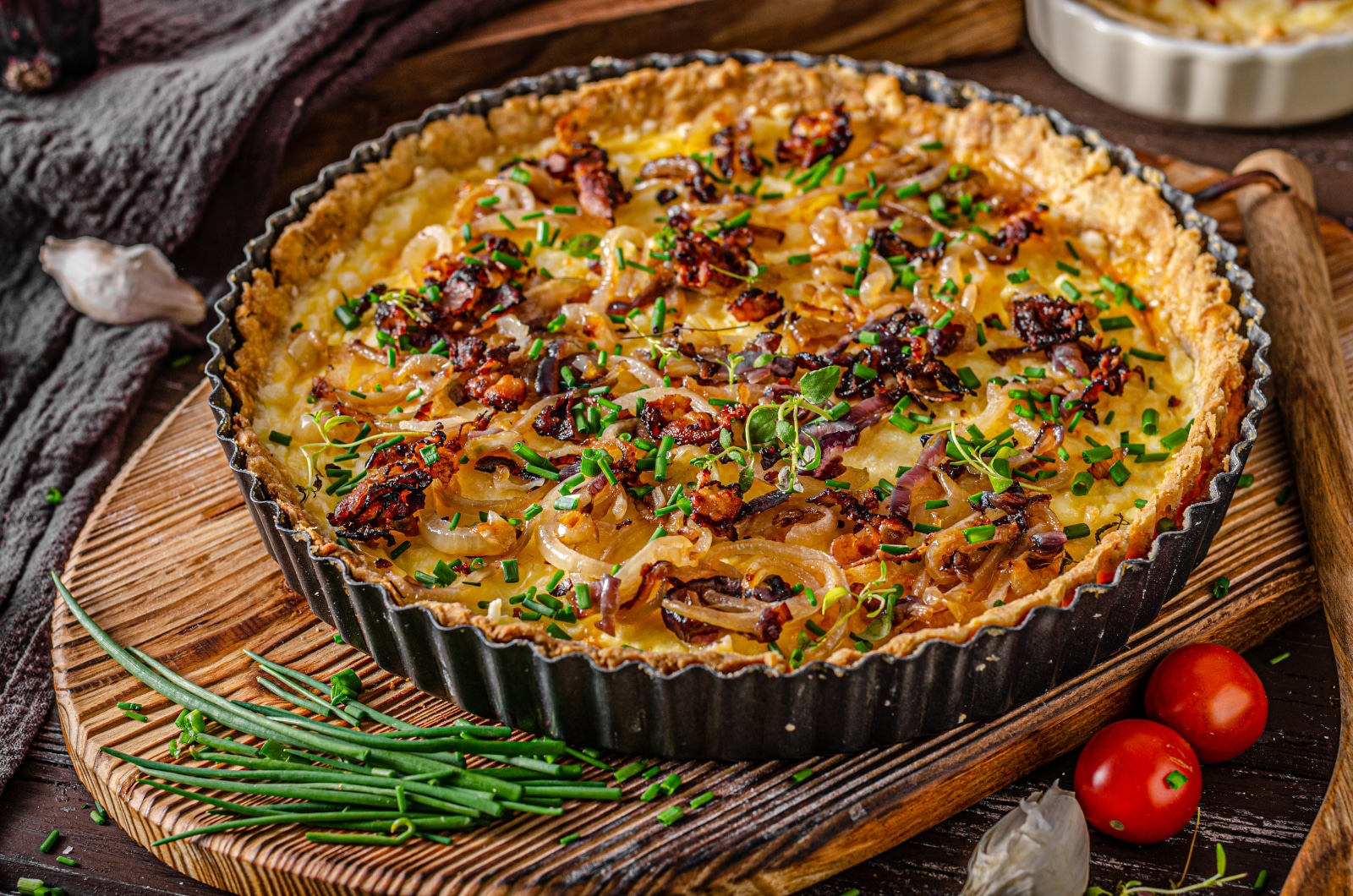
Here is a simple guide to help you with your Gewürztraminer food matches:
Alsatian Cuisine – You might enjoy French bacon and Gruyère tarte flambée or a traditional Quiche Lorraine.
Meat: Meat generally pairs well with Gewürztraminer and the fattier the better. Duck is particularly good with this wine as the floral aromatics complement the strong flavor of duck. Match the spice of the wine with spiced duck leg, duck curry, foie gras, or Duck Breast à l’Orange is delightful matches.
Roasted Vegetables – When certain vegetables are roasted, their flavors intensify, as does their sweetness. You could experiment with many different vegetables, but bell pepper, eggplant, squash, carrot, red onion, and beetroot will be delicious with a glass of chilled Gewürztraminer. The same applies to some Italian pasta dishes like Butternut squash ravioli and sweet tomato-based dishes.
Fish – You cannot go wrong with fish and Gewürztraminer. Whether it is raw, grilled, baked, or smoked, seafood flavors will be enhanced by this wine. Oily fish with strong flavors are perfect with the spiciness of this white wine. For example, you could choose from red snapper, halibut, mahi-mahi, tuna, salmon, trout, swordfish, and even sturgeon and you would be on to a winner. Shellfish also make a delectable match, especially if served with a fresh, crispy salad. The richer the sauce you serve your seafood in, the better. Think about a hearty seafood chowder or oysters with Gewürztraminer and you will have a winner on your hands.
Truffles – Some Gewürztraminers are earthy and have hints of kerosene in their flavor profile. In that case, it will pair wonderfully with the earthy taste of truffles.
Eggs – Brunch get-togethers are really on-trend at the moment and what could be better than eggs on the menu? Try washing down your scrambled eggs with smoked salmon and a glass of Gewürztraminer, cheesy omelets, or fried eggs on toast.
North African dishes – The hearty, exotic spice that are used to make dishes from this part of the world are absolutely fabulous with a rich white wine like Gewürztraminer. While other white wines would pale into insignificance next to spices like Cumin, nutmeg, ginger, turmeric, allspice, cinnamon, and cardamom, they come to life and dance a merry jig with Gewürztraminer. The juicy, tangy, fatty texture of a Moroccan tagine with its roasted lamb, nuts, apricots, and preserved lemon is a flavor match made by the gods.
Curries -Thai curries are famous for their fresh crisp ingredients, creamy coconut milk, and fiery chilies. There are not many beverages that can stand up to such powerful flavors. However, an off-dry Gewürztraminer is lovely alongside this dish. While Indian curries are quite different from Thai curries, their rich spiciness can also be well matched with this exotic wine from Alsace. It does not matter whether the curry has been made with meat, vegetables, or seafood as the main ingredient.
Chinese cuisine – with China entering the wine market, pairing wine with this cuisine has become even more important than ever. The cuisine of Sichuan, in particular, is hellishly hot, and flavorful so a chilled glass of Gewürztraminer is just what you need to cleanse and relieve your palate. Dishes that have a similar flavor profile to this wine, like those infused with ginger will be delicious.
Fruit, Salads, and Desserts – Fruits like pear, peach, apple, mango, coconut, pineapple, and quince all mirror the fruit flavors of this wine. Combine them in salads or desserts and they will pair perfectly. Spicy desserts like Apple Strudel and Pumpkin pie, which have cinnamon, ginger, allspice, and nutmeg, as well as nutty, sweet desserts like Greek Baklava need the sweetness of Gewürztraminer when it has been produced as a dessert wine. Just make sure that the wine is sweeter than the dessert that you pair it with so that it does not have to play second fiddle.
Gewürztraminer Cheese Pairing
Wine and cheese are one of the most famous food pairings of all time, and of course, there are perfect cheese pairings to be found for Gewürztraminer. Salty cheeses and Gewürztraminer are not the best together, so opt instead for mild cow’s milk cheeses. There are also good matches to be found among stinky cheese, but you have to choose them carefully.
How Much Alcohol Does Gewürztraminer Have?
The Gewürztraminer alcohol content is typically higher than average at around 14% ABV. This is a sweet, full-bodied wine. The residual sugars are what give the wine a light oily texture.
How Many Calories Are There in Gewürztraminer?
A five fluid ounce serving will have around 121 calories. The carbs in Gewürztraminer of the same size serving will amount to about 2.6 grams.
Conclusion
Gewürztraminer is a wine well worth becoming acquainted with. It has unique spicy aromas and flavors that make it stand head and shoulders above many sweet style wines. It is delightful when paired with spicy, exotic foods, and when it has been well chilled, it is wonderful on the palate. If you haven’t tried this wine from the Tyrol region before, don’t be put off by the difficulty of pronouncing the name. Just go for it!