It is commonly believed that California’s Napa Valley and Sonoma are the best names in America for wines. However, in recent years, many other viticultural areas have risen in prominence. The healthy rivalry between regions has not only given rise to the production of world-class wines but also aided the development of everything needed for a thriving wine industry such as wine tourism and festivals.
If you’re traveling for wine, the geographical diversity of the United States can give you a wide range of exotic flavors. Here are 10 of the best winemaking regions in the United States.
1. Napa Valley, California
Starting with the most famous destination, Napa Valley has been home to the United States’ oldest and most prominent wineries such as the Town of Napa winery, St. Helena, and Oakville. Although California is America’s most prolific viticultural state, producing over 85% of all the wine made in the United States, Napa only contributes to 4% of that. It’s in a class of its own when it comes to wine so the wines made here are exclusive.
Napa Valley has over 500 wineries across 46,000 acres of vineyards. It’s known for producing some of the world’s best Chardonnay, Cabernet Sauvignon, Pinot Noir, Merlot, Sauvignon Blanc, and Zinfandel wines. It’s the perfect place to begin your comprehensive wine tour.
Climate and Geography
Napa County is a hilly region in the north of San Francisco and is defined by its mountainous landscape and proximity to the ocean. The region enjoys a dry Mediterranean climate with warm arid summers and cool winters. The yearly temperature varies from 39°F to 83°F and receives a fair supply of rainfall annually, ideal conditions for the cultivation of grapes.
History
Napa County was founded in 1850 when California became a part of the United States. Because the Mediterranean climate is so rare but best suited for the production of certain crops, the region saw a lot of growth in settlers who primarily raised cattle and farmed grain or fruit crops.
The first commercial winery was established by John Patchett in 1859. He hired Charles Krug as his winemaker, but eventually, Krug split and decided to establish his own winery in 1861, called the Charles Krug Winery. Today, Charles Krug Winery is the oldest existing winery in Napa country.
2. Leesburg, Virginia
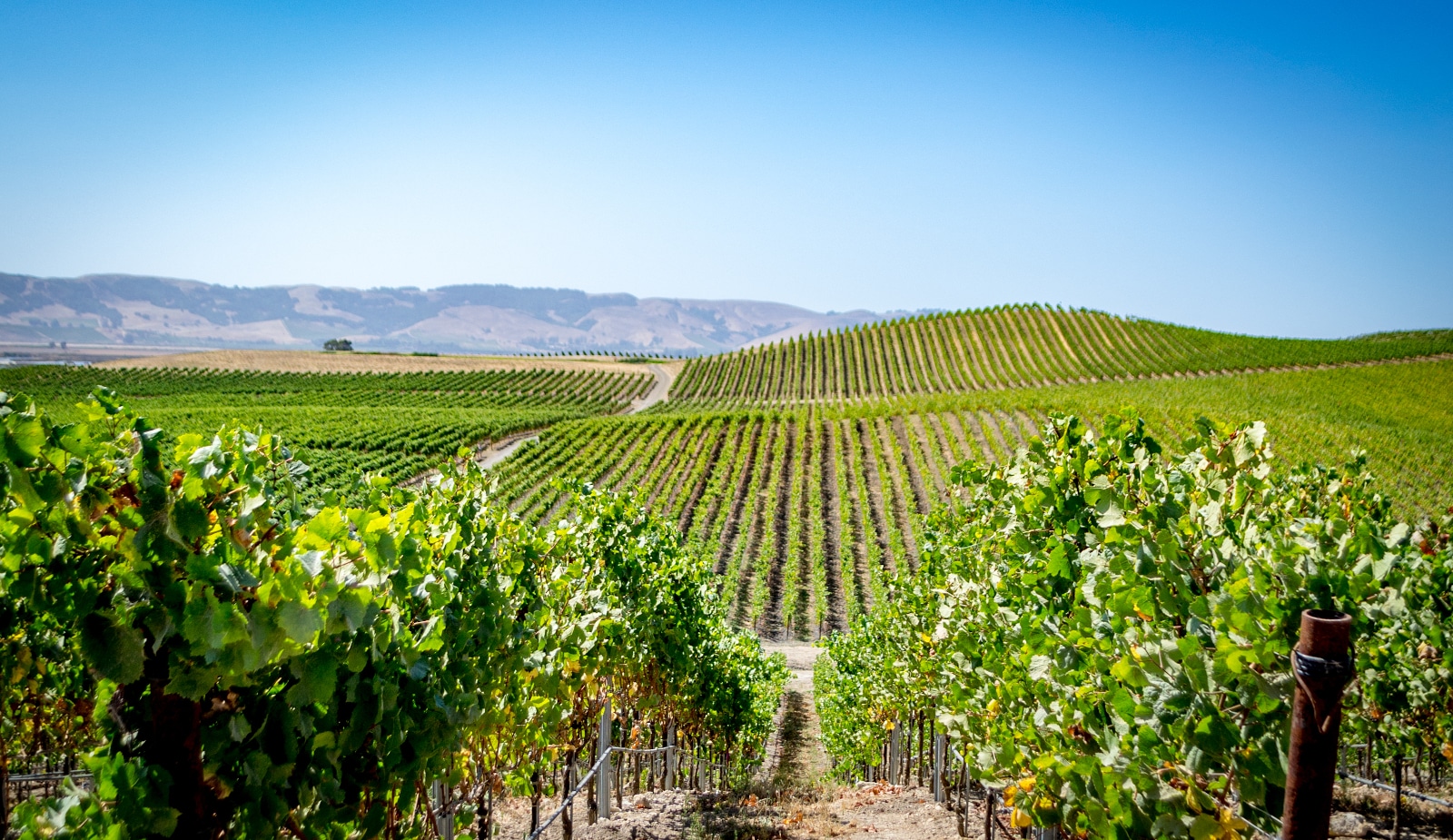
The state of Virginia is known for its 200-year growing season, and wine-growing has always been a part of Virginia’s tradition going back to Colonial times. Virginia may not be the first state you think of when it comes to wines, but did you know it’s the birthplace of the wine industry in the United States? That, and it is also the 10th largest wine-producing state in America.
The most important thing about wine touring is you want wines made from domestically grown ingredients. Some states tend to have gorgeous wineries but import grapes due to poor harvest, which is alright. But as a wine tourist, you’re there to get the flavor of that region. Virginia may not be a well-known state for wines but it certainly has a number of vineyards and the wine is good.
History
Winemaking had a long history of failure in Virginia before it got things right. The first settlers brought European varieties of grape and tried to grow them in the new soil but were unsuccessful. Pests and disease kept ravaging the European varieties while tobacco was thriving. Eventually, the interest shifted from wine to tobacco production, and after the prohibition began, attempts at making wine pretty much stopped.
However, by the late 1950s, things turned around due to innovations in viticulture. By 1970, Virginia had 6 fully operational wineries. This number rapidly expanded to 46 by 1995 and over 300 today.
Climate And Geography
Leesburg gets an average of 42 inches of rainfall annually, but what makes it best suited for grapes is the fact that it has an average of 200 sunny days per year. The temperature fluctuates from 23°F during winters to 86.9°F during summers, which is suitable for many kinds of agriculture.
3. Finger Lakes, New York
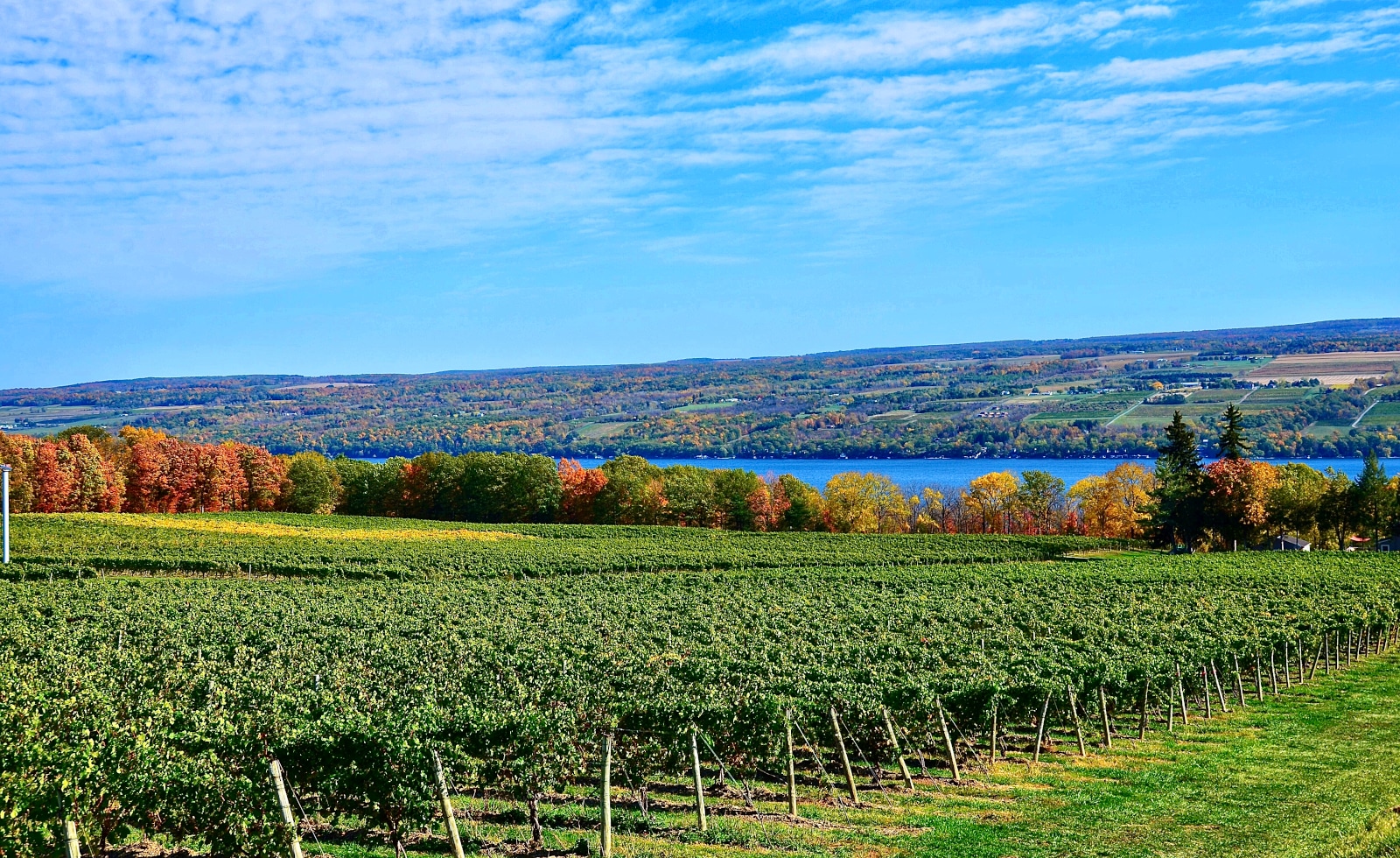
Finger Lakes New York is home to hundreds of beautiful wineries located next to stunning lakes and landscapes. USA Today has ranked this as the number 1 region for wine two years in a row now. The Finger Lake wineries focus more on cultivating white wine grape varieties and are known for their high-quality Riesling and Gewürztraminer.
They also produce a few reds like Cabernet Franc and Pinot Noir. Wine tasting is open year-round at Finger Lakes County and welcomes guests without any reservations. Besides, you don’t have to stop at wines. The region also promises equally abundant beer-tasting opportunities.
History
The first record of any wine made in Finger Lakes goes back to 1829. Commercial wine growing began in 1862 with the founding of its two largest wineries to date, Hammondsport and Pleasant Valley. The region quickly became known for its premium quality Rieslings and other sparkling wines, many of which went on to receive European awards in 1867 and 1873.
Climate and Geography
The climate of New York is generally cool, with some exceptionally harsh winters and mild summers. The climate of the Finger Lakes wine county is about the same as the wine-making areas in Germany.
Finger Lakes has a short growing season and is known for icy winters. However, there are an exceptional array of grape varieties that continue to thrive here, thanks to the lake’s moderating influence, such as Baco Noir and Cabernet Franc.
4. Boise, Idaho
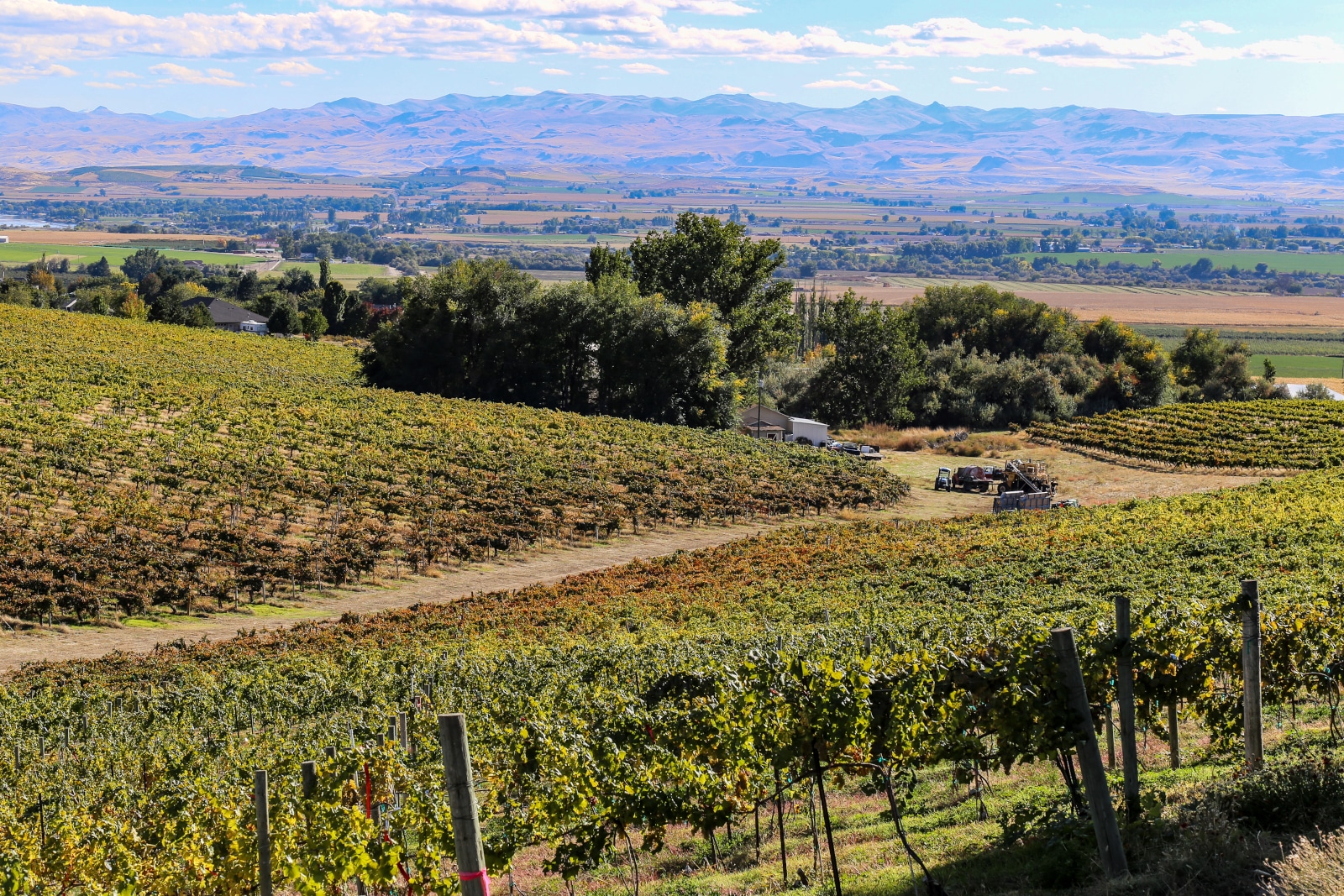
Boise, Idaho is new to the game when it comes to wines. But as one of the fastest-growing cities in America with a high-quality growing season, it’s only a matter of time before Boise wineries make it to the leagues of Napa or Little Lakes.
The Boise region boasts an endless number of drinking places, providing wine tourists with plenty of unique tasting experiences when it comes to drinks and food. There are currently over 60 wineries in Idaho, the most famous ones being Sunnyslope and Snake River.
They’re known for their delicious Chardonnay and Merlot but also produce many other quintessential varieties such as Riesling, Cabernet, Sauvignon, and Syrah. Also, compared to most of the wine regions mentioned in this list, Boise offers a more economic trip for wines and accommodation.
History
Idaho was once a prominent state for its cool climate white varietals such as Riesling and Chardonnay. The first grapes were planted by French and German immigrants in 1864, and thanks to its ideal growing temperatures, the industry was doing great until the prohibition in 1916. This set back the industry and caused the closure of multiple wineries.
And even though the prohibition ended in 1933, it wasn’t until the 1970s that Idaho’s wine industry was resurrected. Today, wine is Idaho’s fastest-growing agricultural industry and shows a lot of promise.
Climate and Geography
Idaho is located in the Pacific Northwest and is known for its hot summers and cold winters. Boise, however, due to its elevation, has a more moderate climate with low precipitation that is ideal for growing grapes.
The number of Idaho’s hot and cold days are pretty even, which allows for unique flavors to emerge in the grapes. It also balances out the acidity and sugar levels.
5. Albuquerque, New Mexico
Like Boise, Albuquerque is another rapidly growing viticultural region in the United States. So far, there are only 60 wineries in all of New Mexico but Albuquerque is expanding its wine base and culture.
Some of the wines grown here date back to the early 17th century when the first settlers of New Mexico, the Spanish, brought their unique varieties to plant here. New Mexico has a grape-growing culture that is centuries-old and has retained its Mexican flair for grape cultivation. The region is known for its splendid and unique Chenin Blanc, Cabernet, Chardonnay, Riesling, and Pinot Noirs. To follow the wine trail to all of New Mexico’s wineries, you simply have to follow the Rio Grande River.
History
New Mexico was founded in 1598 and its first settlers were the Spanish. However, back in the day, Spain outlawed the exportation of their grapes to protect the Spanish agricultural industry. This initially hindered grapevine planting.
The Franciscan monks who settled along the Rio Grande needed wine as part of their daily mass ritual, so they had to import their wine in barrels from Spain. However, in 1629, one of the monks decided to break the law and planted their grapevines smuggled from Spain, and so began the emergence of New Mexico as a wine country. It faced several challenges along the way, the biggest one came during the prohibition era. However, since the 1970s, the industry has flourished.
Climate and Geography
New Mexico is located in the southwest of the United States and has a generally warm climate with a long growing season. However, thanks to its elevation, many areas of Albuquerque mitigate the dramatic climate shifts of New Mexico, creating ideal conditions for grape cultivation. The best time to visit for wine tourism would be during fall when the grapes turn from green to red and the surrounding foliage turns a warm golden color.
6. Fredericksburg, Texas
Texas is one of the largest wine-producing states in America. Texas hill country spans over 9 million acres and is the second-largest wine region in the United States by size. While it is certainly not the first state you think of when it comes to wines, the Texan climate provides the best ripening for grapes like Tempranillo, Syrah, Cabernet Sauvignon, and Zinfandel.
The majority of Texas’ wineries are located in the quaint town of Fredericksburg, a city in central Texas with German heritage. Fredericksburg is bustling with over 100 wineries, many of which are located along Highway 290.
History
Texan history of wine production goes back to the 1650s. The earliest wines were grown by Spanish missionaries in the El Paso region of Texas. As more European settlers arrived from countries like France and Germany bringing more grapevine cuttings, the wine industry boomed through the 1800s.
The prohibition era killed off most of the established wineries of the time. Only one survived through this difficult period, Val Verde Winery. This made room for more wineries to enter the game, and after the 1970s, Texas managed to quickly develop its viticulture and take advantage of the land’s fertility for grapes.
Climate and Geography
The sunny, dry climate of Texas allows grapes to ripen fully, giving a rush of exotic flavors. The wine has often been compared to Portuguese wines in taste, and given how close they are in terms of latitude, it’s not surprising.
It is also the native home of 15 members of the Vitis grape family, which is the largest amount in any region on this planet.
7. Sonoma, California
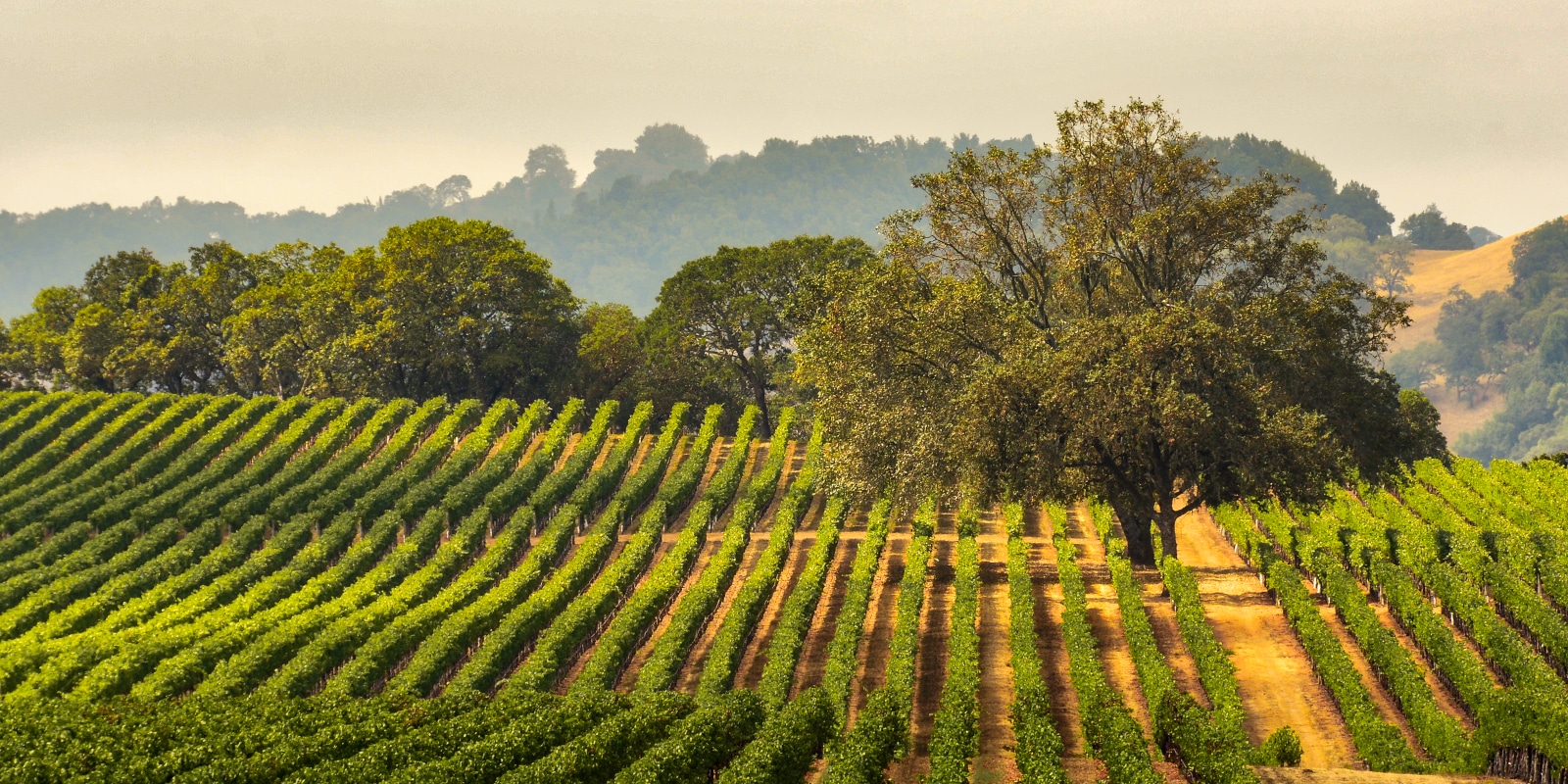
Sonoma is situated right next to Napa County and shares all the nutritional advantages of Napa’s soil and climate, making it only the next most famous region in the US for wines. Think of Sonoma as Napa’s sibling, except the wineries are just as beautiful and offer tastings at a substantially more affordable rate. If you visit during fall, you’ll catch the picturesque autumn shading.
The diversity of Sonoma County’s climate and soils allows for a wide range of grape varieties to grow. There are approximately 425 wineries in the region, so chances are you may not even get to taste every variety in one trip. The most planted varietal in Sonoma is Cabernet Sauvignon, but the region is also well known for its Chardonnay, Pinot Noir, Zinfandel, and Merlot.
History
Winemaking has been an integral part of Sonoma’s history since the colonial era. The first major winegrowers in Sonoma were the Spanish Franciscan fathers. In 1832, Padre Jose Altimera planted thousands of vineyards, laying the foundations of what would become the greatest wine region in the United States.
Around 1861, Agoston Haraszathy, a viticulture expert, brought in more than 100,000 cuttings of premium grape varietals to promote the growth of fine table wines in Sonoma, and so the rage for wines began.
Climate and Geography
Sonoma County is probably one of the most geographically diverse places on the planet. It has hilly woodlands, valleys, mountains, and it is near the coastline. You can expect a plethora of different flavors on your wine tasting journey through Sonoma. It has a pleasant, cool climate throughout the year with an average of 262 sunny days annually, providing a significantly longer growing period than most states.
8. Willamette Valley, Oregon
Oregon’s climate is a lot cooler than California’s, which makes it better for the production of Pinot Noir, Gamay, and Riesling. The entire state of Oregon is home to about 774 wineries and is the fifth-largest wine-producing state in America.
Willamette Valley is the wine capital of Oregon, renowned for its exquisite Pinot Noirs. It stretches for 150 miles through to the Pacific Northwest and is surrounded by mountains. The Willamette River is vital to domestic agriculture as it deposits iron-rich silt across the broad flat plains on which the grapevines are grown. Of the 774 wineries in Oregon, roughly 700 of them are in Willamette Valley.
History
In the 1820s, Willamette Valley was famously referred to as the “promised land of flowing milk and honey” due to its incredibly nutrient-rich soil, biodiversity for farming, and breath-taking landscapes.
Like every other state on this list, the wine industry in Willamette saw a tragic decline during the prohibition. However, it restarted almost immediately after the prohibition ended because the soil’s fertility made it easy to grow grapes. In 1983, Willamette Valley gained AVA recognition and is also valued today throughout the world as a premium winemaking region.
Climate and Geography
The climate is cool year-round, with an average amount of rainfall. Because of the soil’s natural fertility, Willamette Valley has become a popular attraction for its 100% organic farming practices and biodynamic winemaking.
9. Paso Robles, California
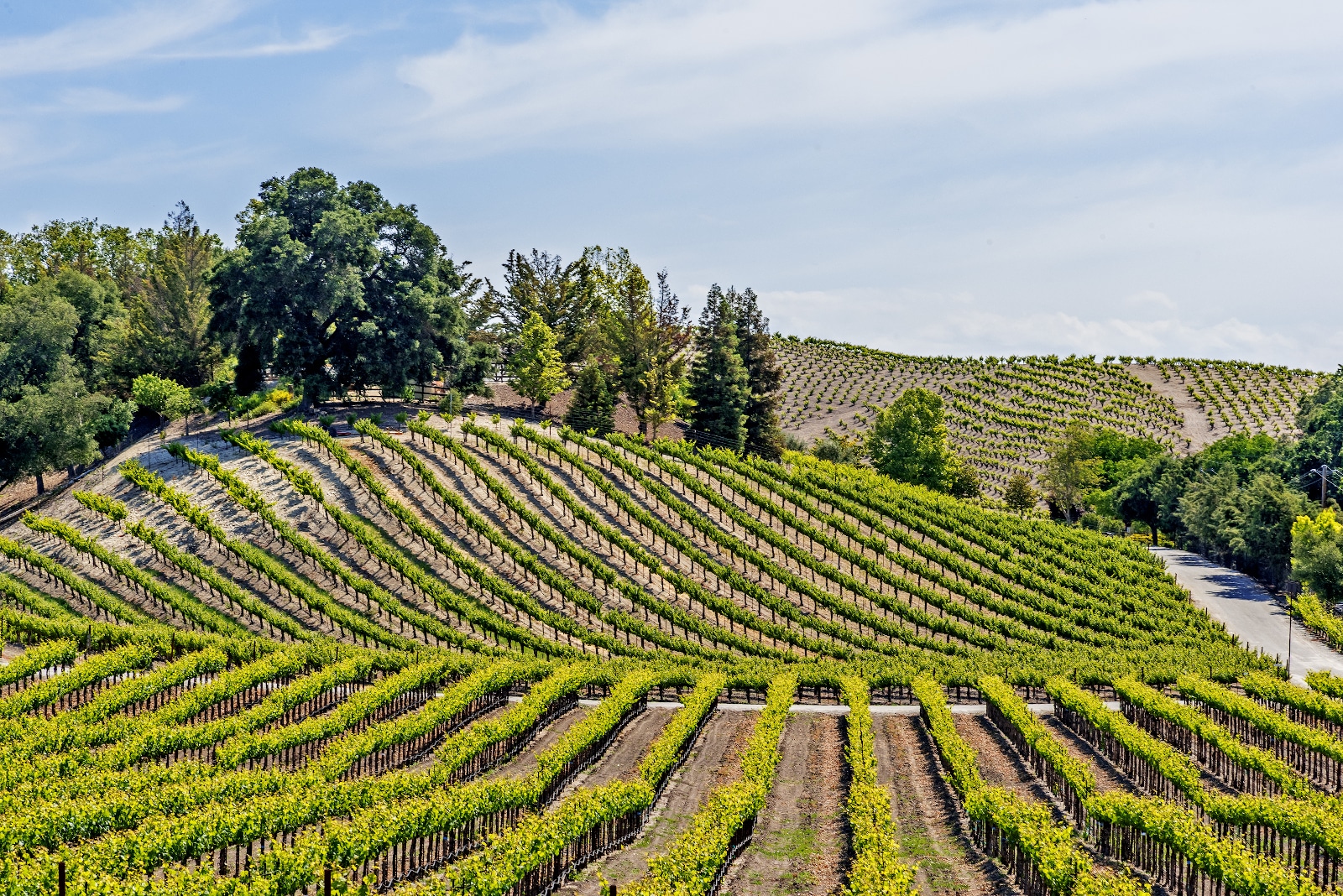
Don’t let all the hype around Napa and Sonoma stop you from visiting the other wine regions of California. Paso Robles is a wine giant in its own right, with over 200 wineries. Plus, it is far cheaper than Napa. Paso hosts some of the best heritage grape varietals for producing Zinfandel, Cabernet Sauvignon, and Thone-style wines.
This charming little town will seduce you with its vibrant landscape and dynamic natural colors. Paso is also well known for its beautiful hot springs.
History
The first wine grapes were introduced to Paso’s soil by Spanish conquistadors and Franciscan missionaries in 1797 who grew wine for holy use. Paso began producing wines on a commercial scale in 1882 and maintained steady industrial growth up until the prohibition era.
Climate and Geography
Paso Robles wines are not simply the result of innovations in production, but also of the fertility of the soil and biodiversity of the region. It’s been blessed with 700-2000 ft. elevations and 30 distinct soil series. Combine this with a long growing season and you have the recipe for producing world-class wines that balance acidity and sweetness.
10. Sedona, Verde Valley, Arizona
The Verde River is a tributary of the Salt River and stretches for about 150 miles. It’s one of the largest free-flowing rivers in Arizona and is surrounded by nothing but beautiful scenery. The river deposits nutrient-rich soils to its surrounding plains and provides fresh water for irrigation.
As a wine region, it’s up and coming but not that well known yet. Most of Arizona is a heat-battled desert but the small pockets of microclimates like Sedona have provided ample opportunity for wine growing.
History
Sedona has a very short history of winemaking but with no shortage of passion. The first winegrowers in Arizona were the Spanish settlers, followed by an influx of German growers in the late 19th century.
After prohibition ended in 1933, the wine industry in Arizona completely died out. It was only restored when, several decades later, a soil scientist named Dr. Gordon Dutt undertook a research project in the 1970s to study the Southwest’s winemaking capabilities. Dutt also introduced the state’s first modern winery, Vina Sonoita. His survey of the area’s major fertile and infertile points has since helped many other winegrowers set up vineyards, many of which are located in Sedona today.
Climate and Geography
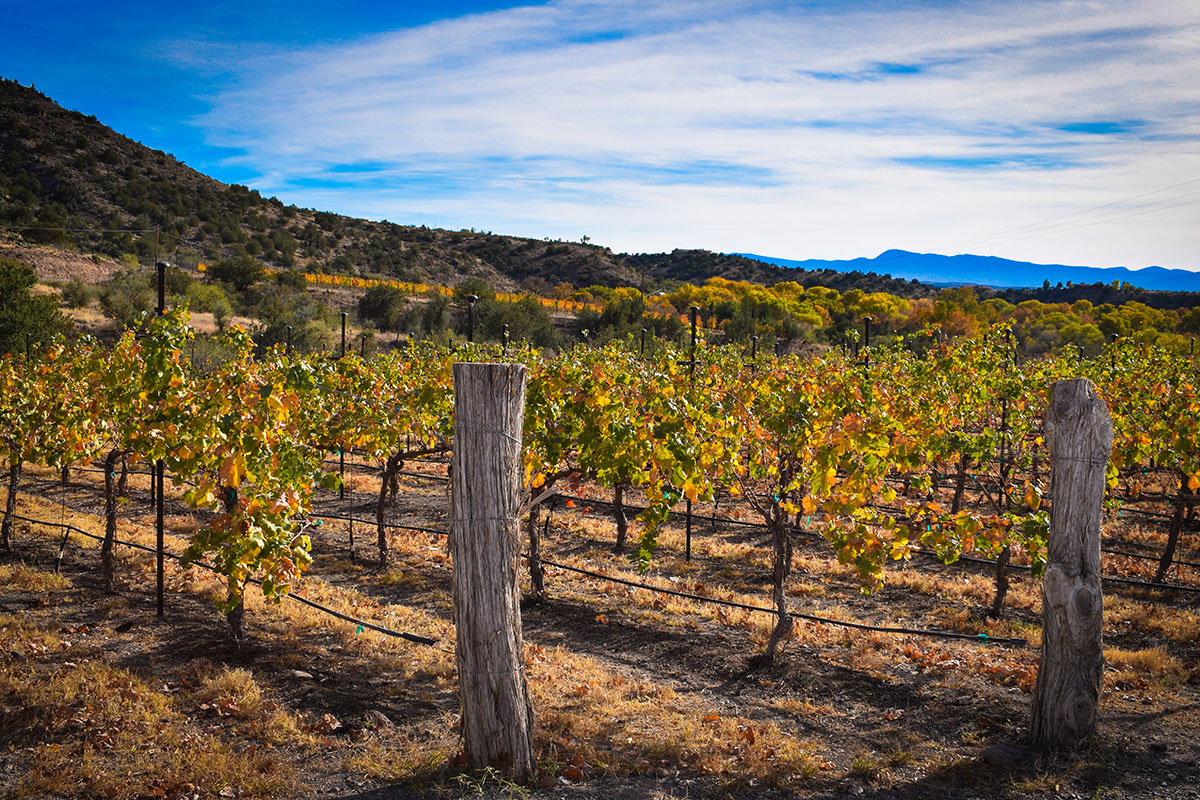
The elevation of Sedona, its rich volcanic soil, and the cooling provided by the mountains of Verde Valley mitigate the harsh heat Arizona is otherwise known for. Together, they allow for a wide variety of grapes to be grown in this little microclimate within a desert. It is still one of the hottest wine-growing regions in the world though.
Conclusion
Wine-tasting trips in the United States are a coast-to-coast pleasure cruise of diversity, courtesy of the range of biomes within the geographical expanse the country occupies and the diversity of culture. It is the largest wine offering in the world, so don’t stop in California. You can think of this list as your guide as you sip your way through the United States’ finest wineries.